Old stone building restoration in Canada demands a specialized approach that respects both structural integrity and historical authenticity. Improper repair materials or techniques can permanently damage original stonework, reduce heritage value, and trap moisture inside wall assemblies. Stone Haven Development applies traditional masonry knowledge and modern structural solutions to preserve Canada’s historic stone structures for generations ahead.
What Makes Old Stone Buildings Different to Restore
Canada’s built heritage includes some of the most architecturally significant stone structures in North America. From century-old limestone farmhouses in Ontario to sandstone commercial buildings in the Maritimes, these structures were built with materials, techniques, and mortar blends that are fundamentally different from contemporary construction. Treating them with modern restoration methods without accounting for those differences is a common and costly mistake.
The Canadian Register of Historic Places documents thousands of heritage properties across the country, many of which require ongoing maintenance and professional restoration to remain structurally sound. Stone Haven Development works on residential and commercial heritage structures, applying hands-on masonry expertise to projects where standard contracting methods fall short.
Common Structural Challenges in Old Stone Buildings
Deteriorated Mortar Joints
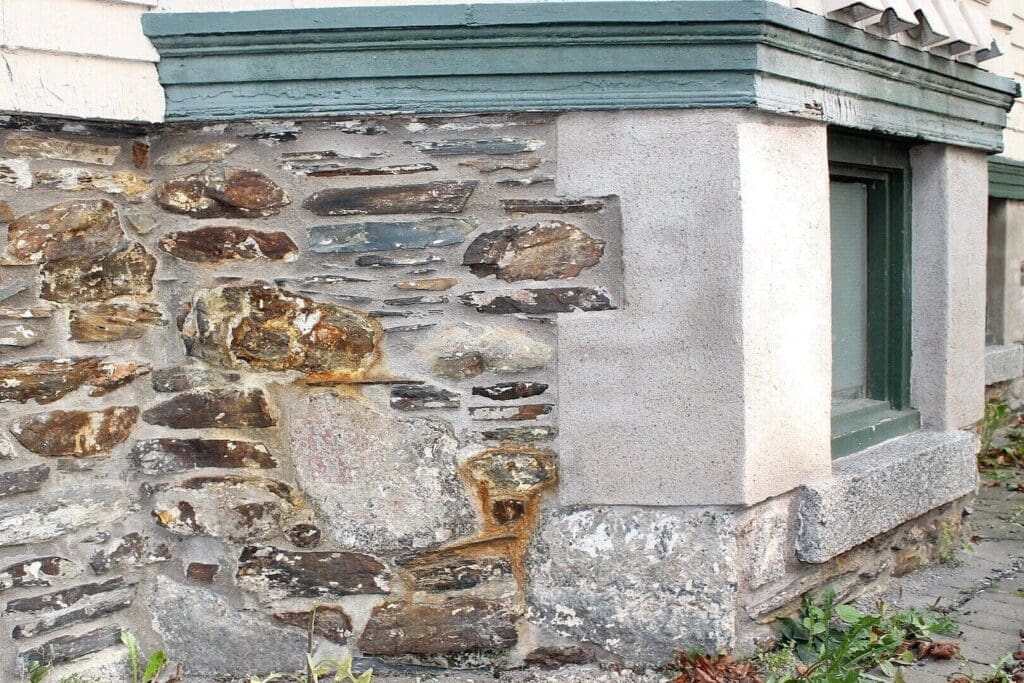
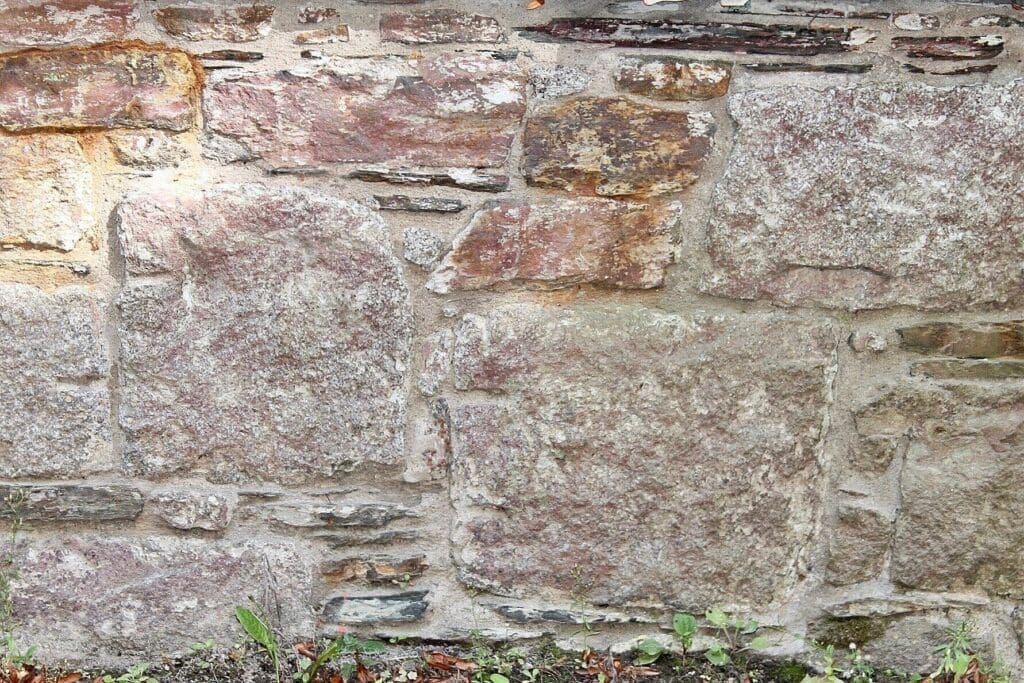
Mortar in historic buildings was often a lime-based blend with a much lower compressive strength than modern Portland cement mortars. Over decades, freeze-thaw cycles, moisture exposure, and natural aging cause this mortar to soften, crumble, and pull away from the stone faces. When it does, water enters the wall assembly freely.
Replacing deteriorated mortar with an incompatible blend is one of the most damaging interventions possible on a heritage structure. The Ontario Heritage Act includes provisions that govern the materials and methods used on designated heritage properties, and Stone Haven’s team is experienced working within those requirements.
Stone Spalling and Surface Erosion
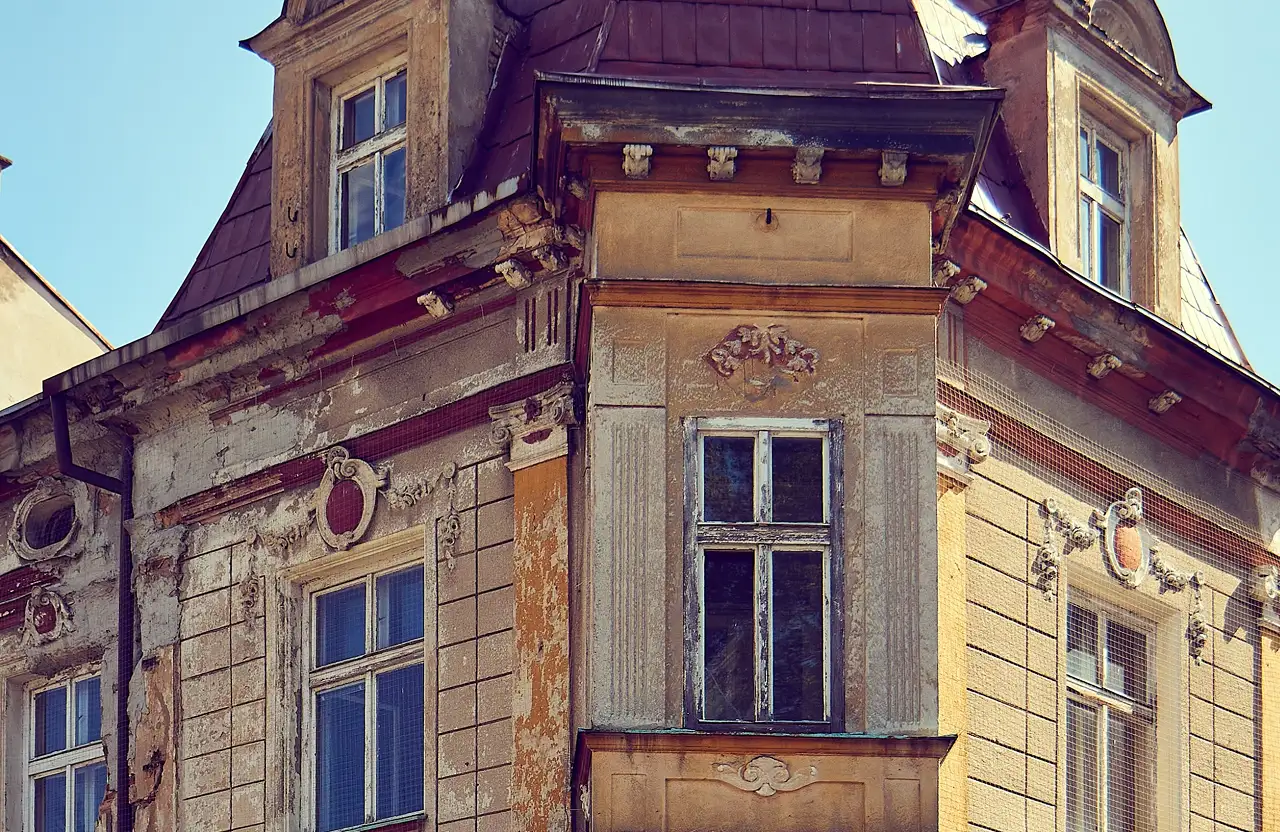
Older stone types, particularly sandstone and softer limestone varieties, are vulnerable to surface spalling when moisture repeatedly penetrates and freezes within the stone matrix. Flaking, pitting, and surface loss are the visible results. In many cases, spalled stone can be consolidated with penetrating treatments rather than replaced entirely, preserving more of the original material.
Structural Settlement and Wall Cracking
Foundation settlement, inadequate original drainage, and accumulated structural stress can produce visible cracking patterns in stone walls. Diagonal cracking near openings typically indicates differential settlement, while horizontal cracking may suggest lateral pressure or wall separation. Each pattern requires a different structural response, and misdiagnosis can lead to repairs that address symptoms rather than root causes.
Water Infiltration and Drainage Failures
Historic buildings often lack modern flashing systems, waterproof membranes, and drainage planes. Water that enters through the wall assembly can travel considerable distances before appearing as interior staining or efflorescence. Effective stone restoration addresses the underlying water pathways, not just the surface conditions.
The Heritage-Sensitive Restoration Process
Comprehensive Structural Assessment
Every old stone building restoration project begins with a thorough inspection of the masonry system, including mortar condition, stone integrity, foundation stability, drainage performance, and moisture infiltration points. This assessment determines whether repointing, stone repair, structural reinforcement, or a combination of interventions is required. Starting work without this baseline is a significant risk on a heritage structure.
Mortar Specification and Repointing
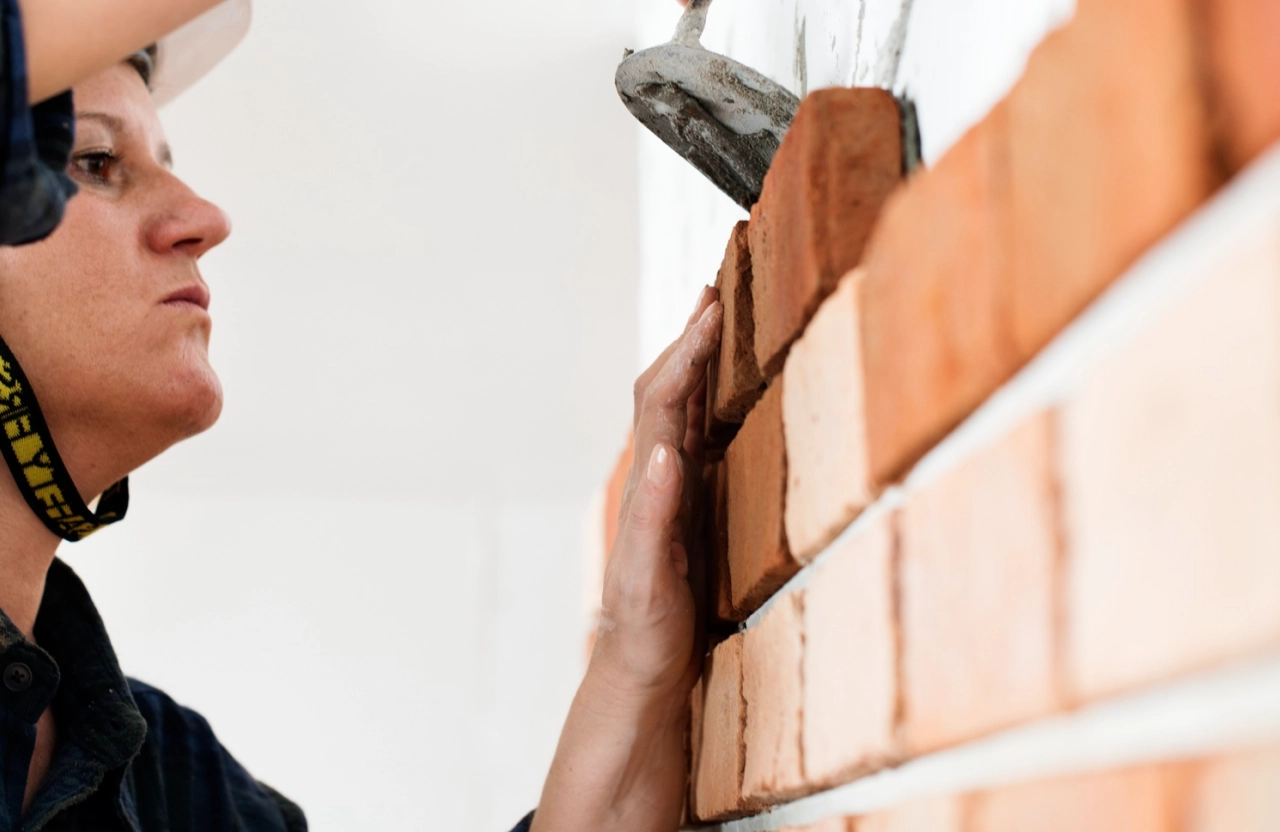
Matching the original mortar composition is not a cosmetic preference. It is a structural necessity. The International Council on Monuments and Sites emphasizes mortar compatibility as a foundational principle in heritage masonry conservation. Stone Haven’s team performs mortar analysis on existing joints before specifying a replacement blend, replicating the lime content, aggregate gradation, and colour of the original material wherever possible.
Stone Repair and Replacement
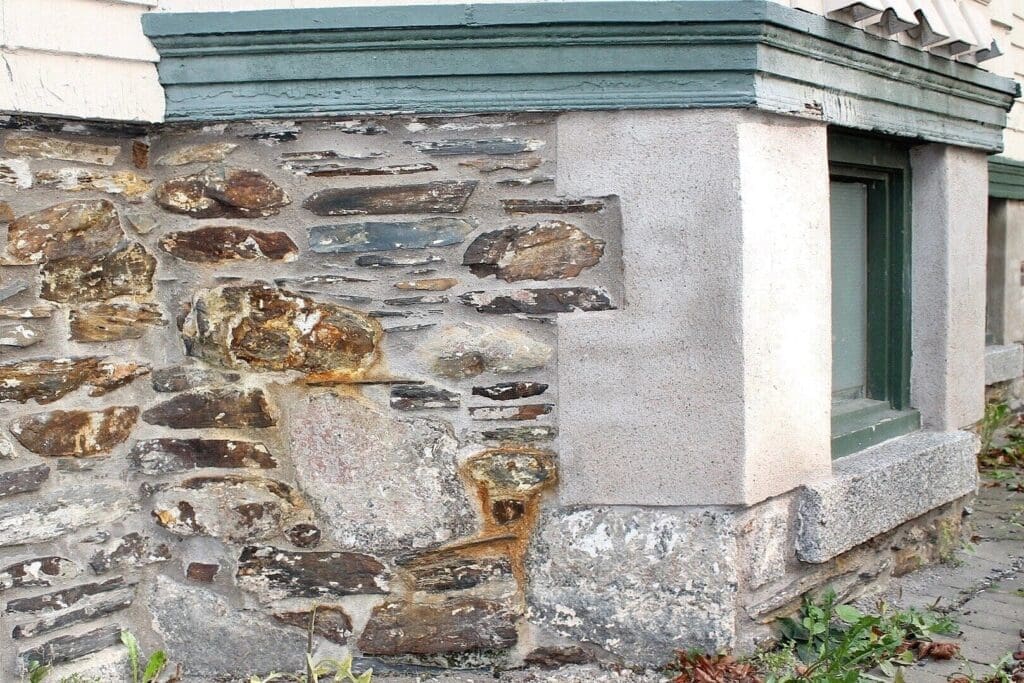
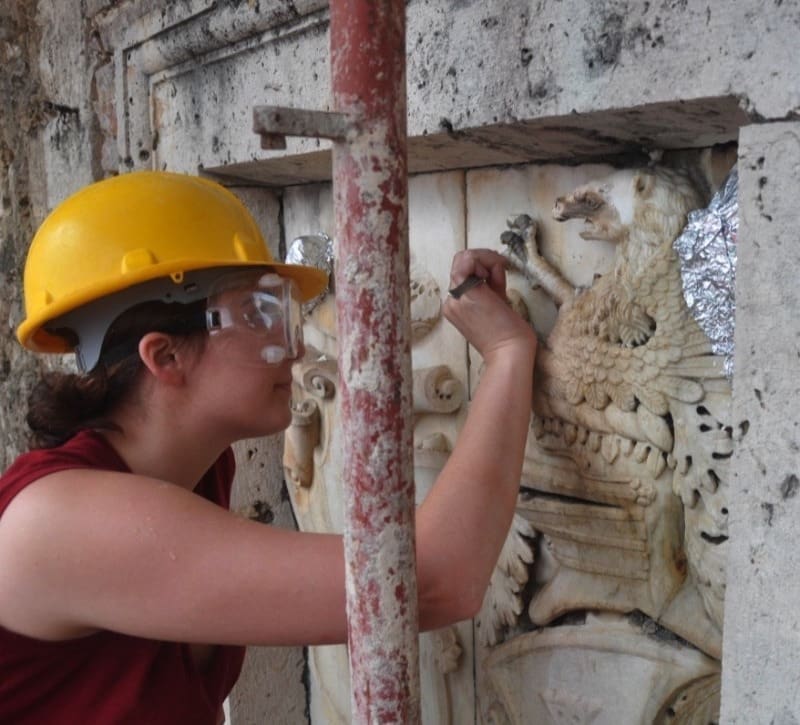
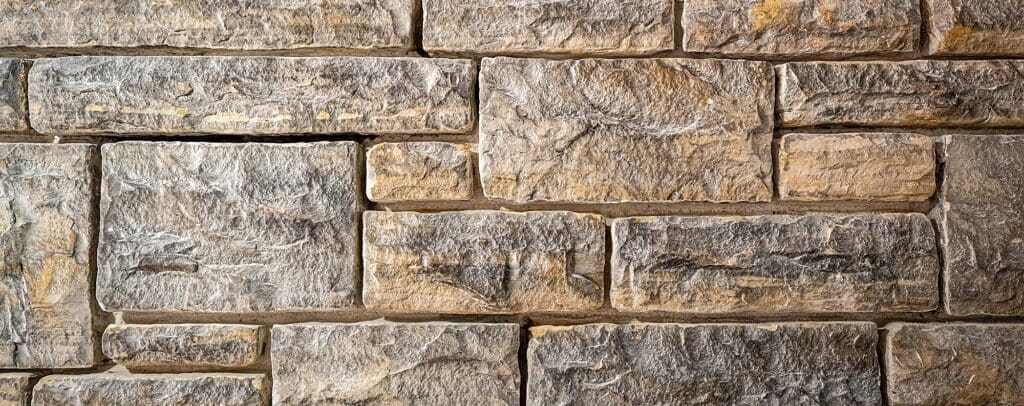
Where individual stones are too damaged to consolidate, replacement with carefully sourced matching material is the appropriate response. Stone sourcing requires attention to stone type, colour variation, surface texture, and bedding plane orientation. Substituting a dissimilar stone for aesthetic convenience can create long-term durability issues and undermine the visual integrity of the structure.
Structural Reinforcement
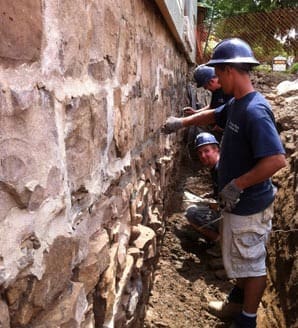
Hidden reinforcement systems, wall anchoring solutions, and foundation stabilization measures can be incorporated into a restoration project without disrupting the building’s original appearance. These interventions are designed and executed within Stone Haven’s broader project management framework, ensuring structural improvements are coordinated with heritage conservation requirements from start to finish.
Why Proper Mortar Compatibility Is Non-Negotiable
The single most destructive error in old stone building restoration is applying a mortar that is stronger than the stone. Modern Portland cement mortars are far harder than the lime-based mortars used in historic construction. When thermal expansion, moisture movement, or settlement stress is applied to a wall, the energy must go somewhere. In a compatible system, mortar joints absorb that stress. In an incompatible system, the stress transfers into the stone, causing it to crack, spall, and fracture. The Parks Canada Standards and Guidelines address this directly in their heritage conservation framework.
Types of Properties Stone Haven Restores
Stone Haven Development handles old stone building restoration across residential and commercial project types. This includes historic stone homes and century farmhouses, heritage-designated institutional and civic buildings, churches and stone chapels, agricultural fieldstone structures, and commercial masonry buildings in Ontario’s urban cores. Each project is approached through the lens of Stone Haven’s restoration expertise, combining trade knowledge with a genuine respect for the historical value of the structure.
Understanding Restoration Costs in Canada
Heritage stone restoration is inherently project-specific. Costs depend on the building’s size, the extent of mortar and stone deterioration, whether structural reinforcement is required, the availability of matching stone materials, and any permit or compliance requirements tied to heritage designation. Providing a meaningful cost estimate without a detailed site inspection is not responsible practice. Stone Haven provides transparent, scoped proposals following a thorough assessment of the structure.
Preserving Canada’s Stone Heritage with Confidence
Old stone buildings represent an irreplaceable record of Canadian craftsmanship, community history, and architectural tradition. Restoring them properly requires not just technical masonry skill, but a deep respect for the materials and methods of the original construction. Stone Haven Development brings both to every project, serving property owners and heritage organizations across Southwestern Ontario. If you own a historic stone structure that needs professional attention, connect with the Stone Haven team to arrange an assessment.
Frequently Asked Questions
1. What is the difference between stone restoration and standard masonry repair?
Standard masonry repair addresses structural and functional issues using contemporary materials and methods. Stone restoration requires additional consideration of the original construction techniques, material compatibility, historical context, and, in many cases, regulatory compliance with heritage conservation standards. The two disciplines overlap but are not the same.
2. Can all old stone buildings be fully restored?
Most historic stone structures can be restored to a structurally sound and historically consistent condition with the right approach. The key is early intervention. Prolonged deterioration increases the scope of work required and reduces the amount of original material that can be preserved. A professional assessment identifies what is salvageable and what requires replacement.
3. Do heritage properties require special permits for restoration work?
Yes, in most cases. Properties designated under municipal or provincial heritage legislation typically require a Heritage Permit before restoration work can proceed. The permit process ensures proposed interventions are consistent with the property’s heritage attributes. Stone Haven’s team is experienced navigating these requirements and can assist in the preparation of permit applications.
4. Why can’t I use modern cement mortar on a historic stone building?
Modern Portland cement mortars have a compressive strength that far exceeds the strength of historic stone and lime-based brickwork. When stress is applied to the wall system, the energy travels into the masonry units rather than being absorbed by the mortar joints. The result is stone spalling, cracking, and structural damage that is expensive and, in some cases, irreversible. Heritage conservation standards universally prohibit the use of incompatible mortar on historic masonry.
5. How long does stone restoration work last?
With properly specified materials and skilled workmanship, stone restoration can extend a building’s service life by 50 years or more. The key variables are mortar compatibility, drainage performance, and the quality of ongoing maintenance. Annual inspections help identify minor deterioration before it progresses to costly structural intervention.
6. Does Stone Haven Development work on both residential and commercial heritage buildings?
Yes. Stone Haven serves residential property owners with historic stone homes as well as commercial clients with heritage-designated buildings. The team’s experience spans a wide range of structure types and scales, from single-family century homes to large institutional masonry buildings.
Schedule Your Heritage Property Assessment
Stone Haven Development provides professional old stone building restoration across Southwestern Ontario and beyond. Whether you are managing a heritage designation, addressing long-deferred maintenance, or preparing a historic property for future generations, the team brings the expertise, materials knowledge, and project management capability required to do the work right. Contact Stone Haven Development to begin with a site assessment.
Key Takeaways
- Historic stone buildings require heritage-sensitive restoration methods that respect original material composition.
- Mortar compatibility is the most critical factor in stone restoration. Incompatible mortar causes irreversible damage.
- Common issues include mortar deterioration, stone spalling, structural settlement, and drainage failure.
- Heritage-designated properties typically require permits before restoration work can begin.
- Early professional assessment prevents minor deterioration from escalating into major structural reconstruction.
- Stone Haven restores residential, commercial, and institutional heritage stone buildings across Southwestern Ontario.