Brick is manufactured from fired clay or shale, and its composition, from raw material selection through kiln temperature, directly determines how well it performs through Ontario’s freeze-thaw winters. Not all brick is made to the same standard, and composition differences that seem minor on paper produce significant durability differences over decades of cold-climate exposure. Stone Haven Developments uses correctly specified brick on all residential and commercial projects across Southwestern Ontario.
What Is Brick Made Of at Its Most Basic Level?
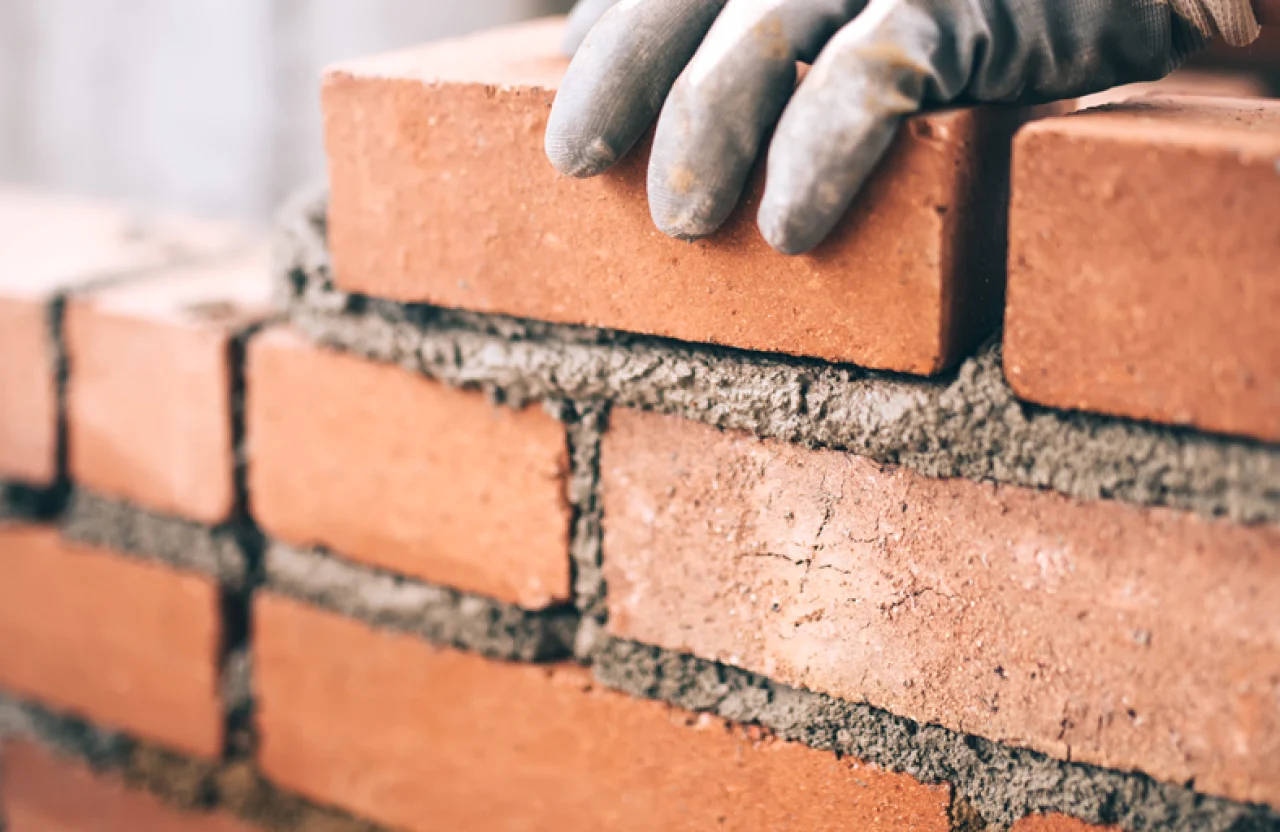
Brick is made from clay or shale that has been shaped, dried, and fired in a kiln at temperatures between 900 and 1200 degrees Celsius. The heat causes the clay particles to fuse together through a process called vitrification, producing a hard, dense unit with physical properties that raw clay does not have. The specific raw material composition, the firing temperature, and the duration of the kiln cycle all influence the final density, absorption rate, and compressive strength of the brick unit. The Canadian Standards Association publishes standards for clay masonry units used in Canadian construction, including CSA A82, which sets minimum requirements for compressive strength, water absorption, and freeze-thaw durability for brick manufactured and sold in Canada.
Stone Haven Developments specifies brick that meets CSA standards for the climate conditions in which it will be used. Their team reviews material specifications for every new construction and residential masonry project across Southwestern Ontario.
How Does Clay Composition Affect Brick Performance?
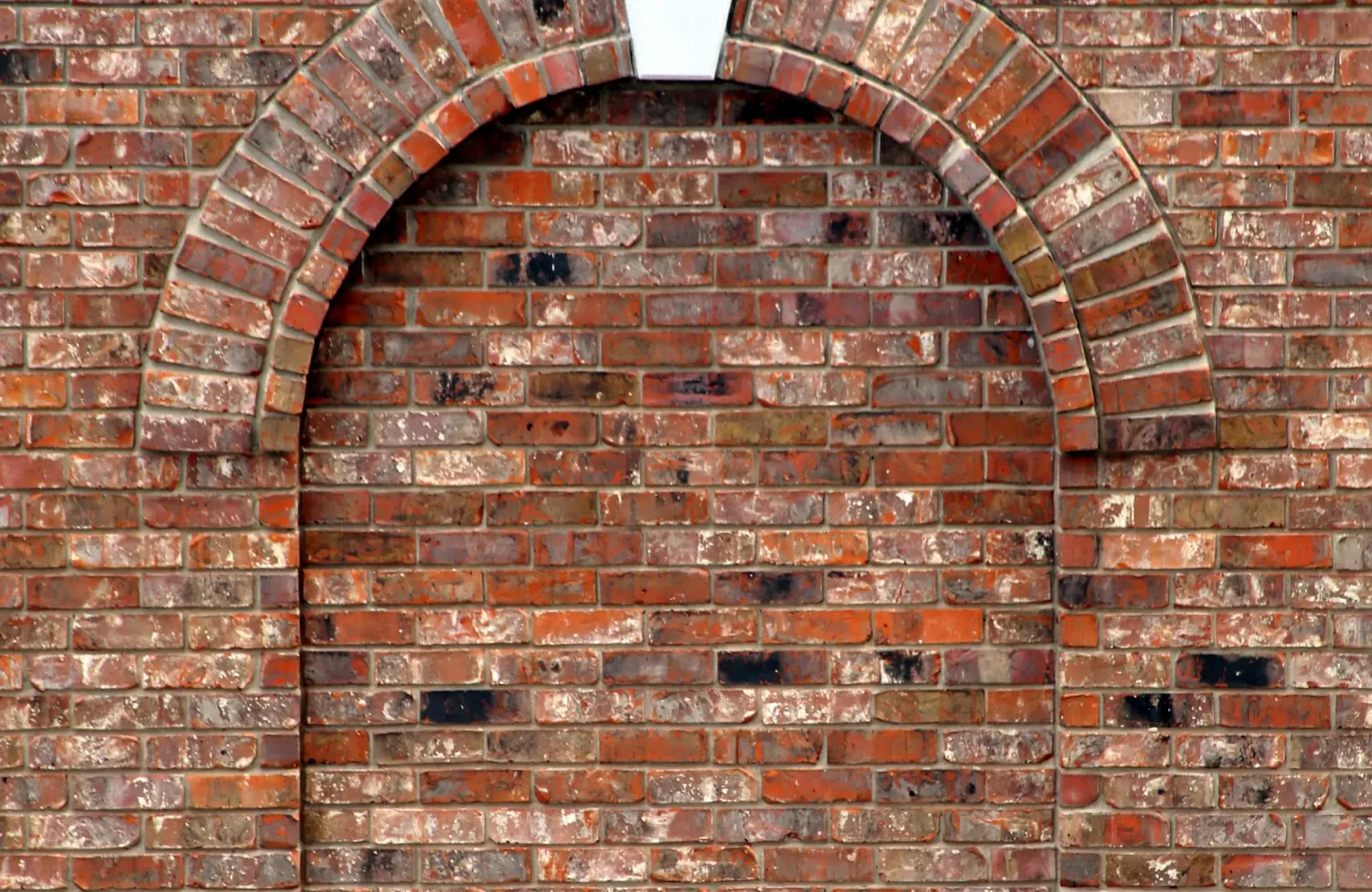
Not all clay is chemically identical. The mineral content of the clay deposit from which a brick is manufactured affects the colour, texture, and performance characteristics of the finished unit. Clay containing higher levels of iron oxide produces redder brick and tends to vitrify at lower temperatures. Clay with higher silica content produces harder, denser brick but requires higher kiln temperatures to achieve full fusion.
The calcium content of the clay is particularly relevant for freeze-thaw durability. Calcium-bearing clays can produce brick with higher soluble salt content, which contributes to efflorescence and surface scaling when moisture cycles through the wall. Brick manufacturers manage this through raw material selection and kiln programming, but the end product can still vary significantly between manufacturers. Homeowners who have experienced recurring efflorescence on their exterior walls are often dealing with brick that has higher soluble salt content combined with inadequate mortar joint protection.
Why Does Firing Temperature Matter for Ontario Winters?
The kiln temperature at which brick is fired is the single most important variable affecting its freeze-thaw durability. Brick fired at higher temperatures achieves a lower water absorption rate because the vitrification process closes more of the pores in the material. Brick with lower absorption takes in less water during rain events, which means less water is available to freeze and expand inside the brick during cold nights. The Brick Industry Association publishes research linking water absorption rates to freeze-thaw performance, confirming that brick with absorption rates below 6 percent by weight consistently outperforms higher-absorption brick in cold climates.
Ontario’s freeze-thaw climate is one of the most demanding for masonry performance in North America. The province experiences dozens of freeze-thaw cycles each winter, particularly in the transition months of November, March, and April when temperatures cross the freezing point repeatedly within a single week. Brick that absorbs water readily and has incompletely vitrified clay structure can begin to show surface scaling within five to ten years of installation in these conditions.
What Is the Difference Between Soft Brick and Hard Brick?
The terms soft and hard brick refer informally to the degree of vitrification achieved during firing. Hard brick, fired at higher temperatures for longer durations, is denser, less absorbent, and more resistant to freeze-thaw damage. Soft brick, common in buildings constructed before 1900 in Ontario, was manufactured with less precise kiln control and typically has higher absorption rates and lower compressive strength than modern manufactured brick. Soft brick requires a lime-based mortar to function correctly. Using a hard Portland cement mortar against soft brick creates a mismatch in stiffness that causes the brick face to fracture rather than the mortar joint to absorb movement, accelerating brick spalling significantly.
This is why mortar specification matters as much as brick composition on older Ontario properties. Stone Haven Developments assesses brick hardness and original mortar composition before specifying any repair material on restoration projects, particularly on heritage buildings where incorrect material use causes permanent damage.
How Does Concrete Brick Differ from Clay Brick in Cold Climates?
Concrete brick uses Portland cement, aggregate, and water instead of fired clay as its base material. It is manufactured by compression rather than kiln firing and achieves its strength through curing rather than vitrification. Concrete brick is generally denser and heavier than clay brick of the same size and typically has lower water absorption than common clay brick. However, concrete brick is subject to a different degradation mechanism in cold climates: carbonation, where carbon dioxide from the atmosphere reacts with calcium hydroxide in the concrete over time, reducing its alkalinity and potentially affecting reinforcement where steel is present. For general masonry work in Ontario, both clay and concrete brick can perform well when correctly specified for the application. Stone Haven Developments selects material based on the structural requirements and exposure conditions of each project, whether for commercial masonry or residential construction.
Does Brick Composition Affect How Long It Lasts on an Ontario Home?
Yes, directly. Two homes built in the same year with the same construction method but different brick specifications can show dramatically different exterior conditions after 40 years. The home with correctly specified, low-absorption brick and lime-compatible mortar will typically show minor mortar joint wear that is easily maintained. The home with high-absorption brick installed with overly hard mortar may show widespread spalling, joint failure, and water infiltration into the backup structure within the same period. The National Research Council of Canada has documented the role of brick absorption and mortar compatibility in the long-term performance of masonry wall assemblies in cold climates.
For Ontario homeowners evaluating the condition of their brick exterior, understanding the composition of the original brick helps explain why certain damage patterns occur and what the correct repair specification should be. Stone Haven Developments provides professional assessments that consider the brick type and original construction before recommending any repair scope. Contact Stone Haven for an evaluation of your brick exterior.
What Every Ontario Property Owner Should Know About Brick Composition
Brick composition is not a detail that only matters to engineers and specifiers. For Ontario homeowners, understanding that brick quality varies significantly between manufacturers and that firing temperature directly affects freeze-thaw performance helps explain why some brick exteriors hold up for a century while others begin to fail within a generation.
The combination of brick composition and mortar specification is what determines long-term performance. Getting one right without the other is not enough. A correctly specified brick paired with an incompatible mortar will fail at the joint. A correctly specified mortar applied to soft, high-absorption brick may not be able to compensate for the substrate’s limitations.
Speak With a Masonry Contractor About Your Brick Exterior
Stone Haven Developments has been working with brick and masonry across Southwestern Ontario for over 17 years. Their team assesses brick composition, mortar condition, and water management as part of every property evaluation. Whether you are planning new construction or addressing deterioration on an existing structure, reach out to the Stone Haven team for an assessment grounded in real material knowledge and cold-climate masonry experience.
Frequently Asked Questions
1. What is the main ingredient in brick?
The main ingredient in clay brick is shale or clay, which is shaped, dried, and fired at high temperature to fuse the particles through vitrification. The specific clay mineral composition varies by region and manufacturer and affects the colour, density, and durability of the finished brick. Concrete brick uses Portland cement as its primary binding agent instead of fired clay. Stone Haven Developments specifies brick by performance standard for each project, not by brand alone. Learn more about masonry material selection through their brickwork and masonry work.
2. Does cheaper brick have a different composition?
Lower-cost brick is often manufactured at lower kiln temperatures for shorter durations, resulting in incomplete vitrification, higher water absorption, and lower compressive strength compared to premium-grade brick. The raw material quality also varies, with some manufacturers using clay blends that contain higher levels of soluble salts associated with efflorescence and surface scaling. The cost difference between standard and premium-grade brick per unit is modest, but the long-term performance difference across a full exterior is significant over decades of Ontario winters. Learn more about efflorescence on brick and how to fix it.
3. Why does old Ontario brick look different from new brick?
Older Ontario brick, particularly from buildings constructed before 1920, was manufactured from locally sourced clay using wood or coal-fired kilns with less precise temperature control than modern gas or electric kilns. This produced brick with natural colour variation, surface texture, and density variation that modern machine-made brick does not replicate. The firing conditions also tended to produce softer brick with higher absorption rates, which is why older brick requires lime-compatible mortar rather than modern Portland cement blends for any repair work. See how Stone Haven Developments approaches heritage brick restoration.
4. Can you tell brick quality just by looking at it?
Visual inspection gives some indication of brick quality but is not a reliable method of assessing composition or absorption rate. Brick with visible voids, surface cracks, or inconsistent colour variation may indicate lower manufacturing quality. A simple field test for absorption involves placing a few drops of water on the brick face and observing how quickly it absorbs. Brick that absorbs the water in under 60 seconds has a high absorption rate that warrants attention in an Ontario climate. For a full assessment, a masonry contractor can evaluate the brick in context with the mortar joints and overall wall condition. Book a masonry audit and property inspection with Stone Haven Developments.
5. Does brick composition affect what mortar should be used?
Yes, directly. The mortar used in a masonry wall must be compatible with the brick in terms of compressive strength and stiffness. A mortar that is stronger and stiffer than the surrounding brick will not compress when the wall moves through temperature changes. Instead, the stress transfers into the brick face, causing cracking and spalling. Soft, historic brick requires a lime-based mortar that is softer than the brick. Harder modern brick can accept a stronger mortar. Stone Haven Developments evaluates brick composition before specifying mortar on every chimney repair and repointing project.
Key Takeaways
- Brick is made from clay or shale fired at 900 to 1200 degrees Celsius. The kiln temperature determines the density, absorption rate, and freeze-thaw durability of the finished unit.
- Higher firing temperatures produce denser, less absorbent brick that performs better through Ontario freeze-thaw cycles. Lower absorption rates directly correlate with fewer freeze-thaw failures.
- Soft, historic brick manufactured before 1950 has higher absorption and requires lime-based mortar. Using Portland cement mortar on soft brick accelerates spalling and joint failure.
- Clay mineral composition, including calcium and iron content, affects colour, soluble salt levels, and susceptibility to efflorescence on Ontario exterior walls.
- Concrete brick uses Portland cement and aggregate rather than fired clay, achieving strength through curing rather than vitrification, with different long-term degradation characteristics.
- The combination of brick composition and mortar specification determines long-term performance. Correct specification of one without the other is insufficient for durable masonry in Ontario winters.
- Stone Haven Developments assesses brick composition and mortar compatibility as part of every property evaluation and repair scope across Southwestern Ontario.