Apartment complex masonry repair in Ontario covers mortar repointing, brick replacement, balcony and parapet repair, lintel assessment, and waterproofing on multi-unit residential buildings. These projects must be managed around active resident occupancy, and the scope almost always exceeds initial surface assessment estimates on older buildings. Stone Haven Developments provides apartment building masonry repair services across Southwestern Ontario for property owners, condominium corporations, and building managers.
Why Do Apartment Buildings Require Regular Masonry Repair in Ontario?
Apartment buildings in Ontario are subject to the same freeze-thaw climate stresses as all masonry structures, but the consequences of deferred masonry maintenance on a multi-unit residential building are compounded by the scale of the facade, the active occupancy of residents below and adjacent to deteriorating areas, and the potential liability exposure for building owners and condominium corporations when masonry failure creates a falling hazard.
Mortar joints on apartment building facades typically require repointing every 25 to 40 years depending on original mortar type, exposure conditions, and the degree of overhang protection the building provides. Buildings with large exposed parapets, minimal coping overhang, and faces oriented to prevailing wet weather will deteriorate faster than sheltered elevations. The Canada Masonry Design Centre recommends masonry veneer walls be inspected every five to ten years to identify deterioration before water infiltration causes deeper damage.
Stone Haven Developments provides commercial masonry and residential masonry repair services for apartment buildings and multi-unit residential complexes across Southwestern Ontario.
What Masonry Repairs Are Commonly Needed on Apartment Buildings in Ontario?
Apartment building masonry repair typically involves multiple scope items that vary by building age, height, construction type, and maintenance history. A thorough facade assessment before contract award is essential because surface conditions on an apartment building often understate the true scope of underlying deterioration.
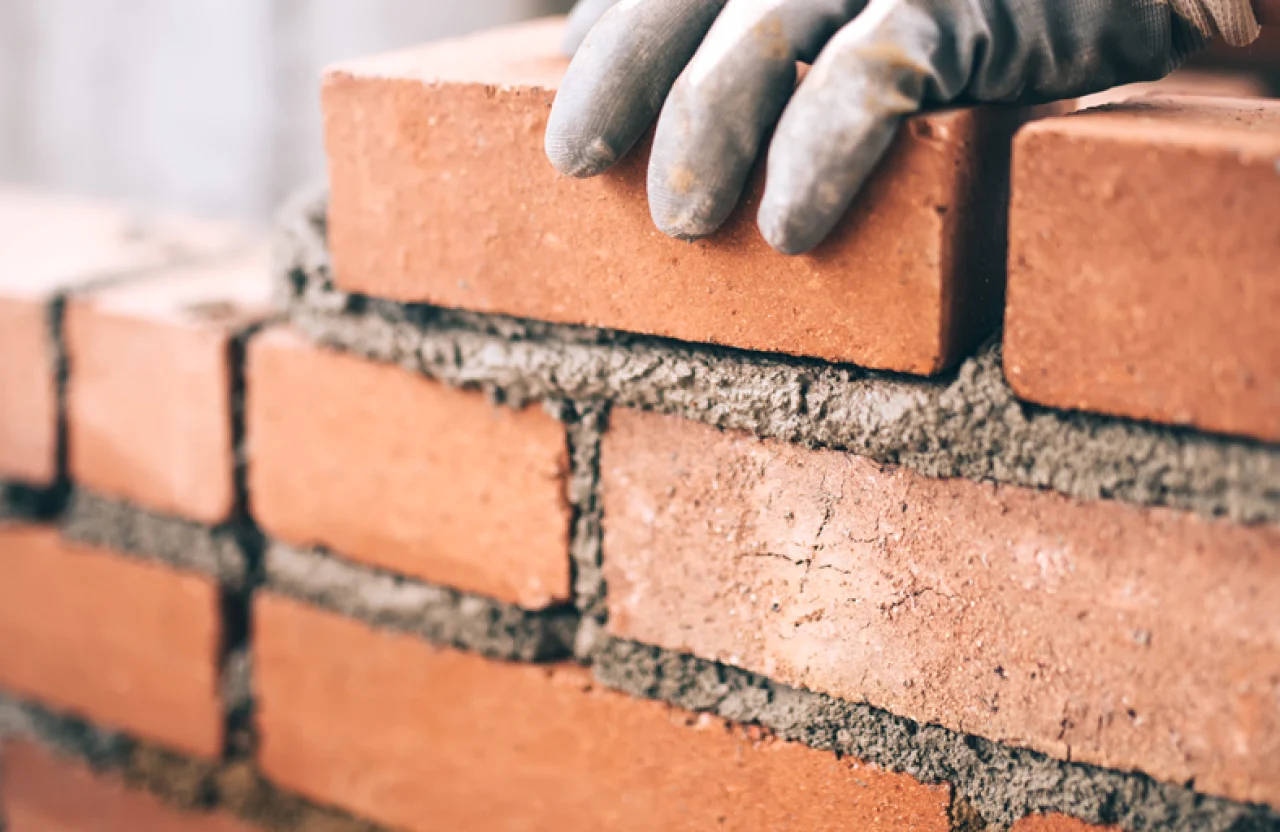
- Mortar repointing: The most common and widespread repair. Deteriorated mortar is removed to a minimum depth of 19 millimetres and replaced with correctly specified mortar matching the original type. On older apartment buildings, this often requires lime-compatible mortar rather than modern Portland cement mixes.
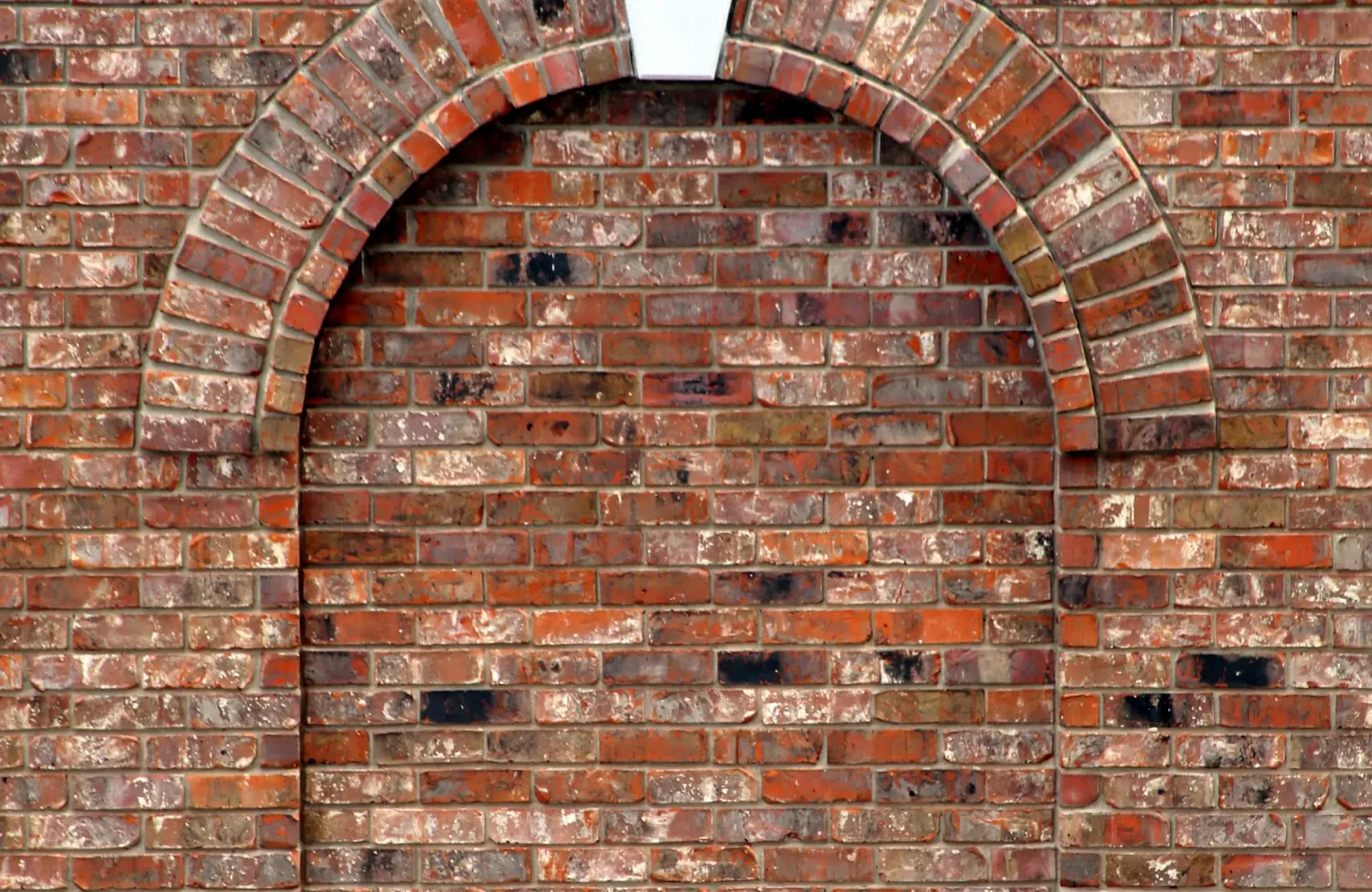
- Brick replacement: Spalling or cracked bricks are removed individually or in sections and replaced with matching material. Colour and texture matching on brick replacement repairs is critical to maintaining facade appearance.
- Balcony soffit and fascia repair: Balcony edges and undersides are among the most exposed and highest-risk masonry elements on apartment buildings. Spalling concrete or failing masonry at balcony edges creates a direct falling hazard to residents and pedestrians below.
- Parapet wall repair: Parapets deteriorate faster than protected wall areas because they are exposed to weather on three sides. Failed parapet coping allows water to track into the wall and down the building interior.
- Lintel replacement: Corroded steel lintels over window and door openings cause brick displacement and cracking. Lintel replacement requires temporary brick removal, structural support during steel replacement, and careful brick resetting to match original coursing.
- Waterproofing and sealant replacement: Caulking at window perimeters, balcony thresholds, and building expansion joints fails every 10 to 20 years and is a primary water infiltration point on apartment building envelopes.
Stone Haven’s stone restoration and brickwork team handles all of these repair types on apartment buildings across Southwestern Ontario.
How Is Apartment Building Masonry Repair Managed Around Active Residents?
Apartment complex masonry repair must be coordinated around residents who are living in the building throughout the project. This creates scheduling, communication, and access requirements that do not exist on vacant commercial buildings and must be addressed in the project plan from the start.
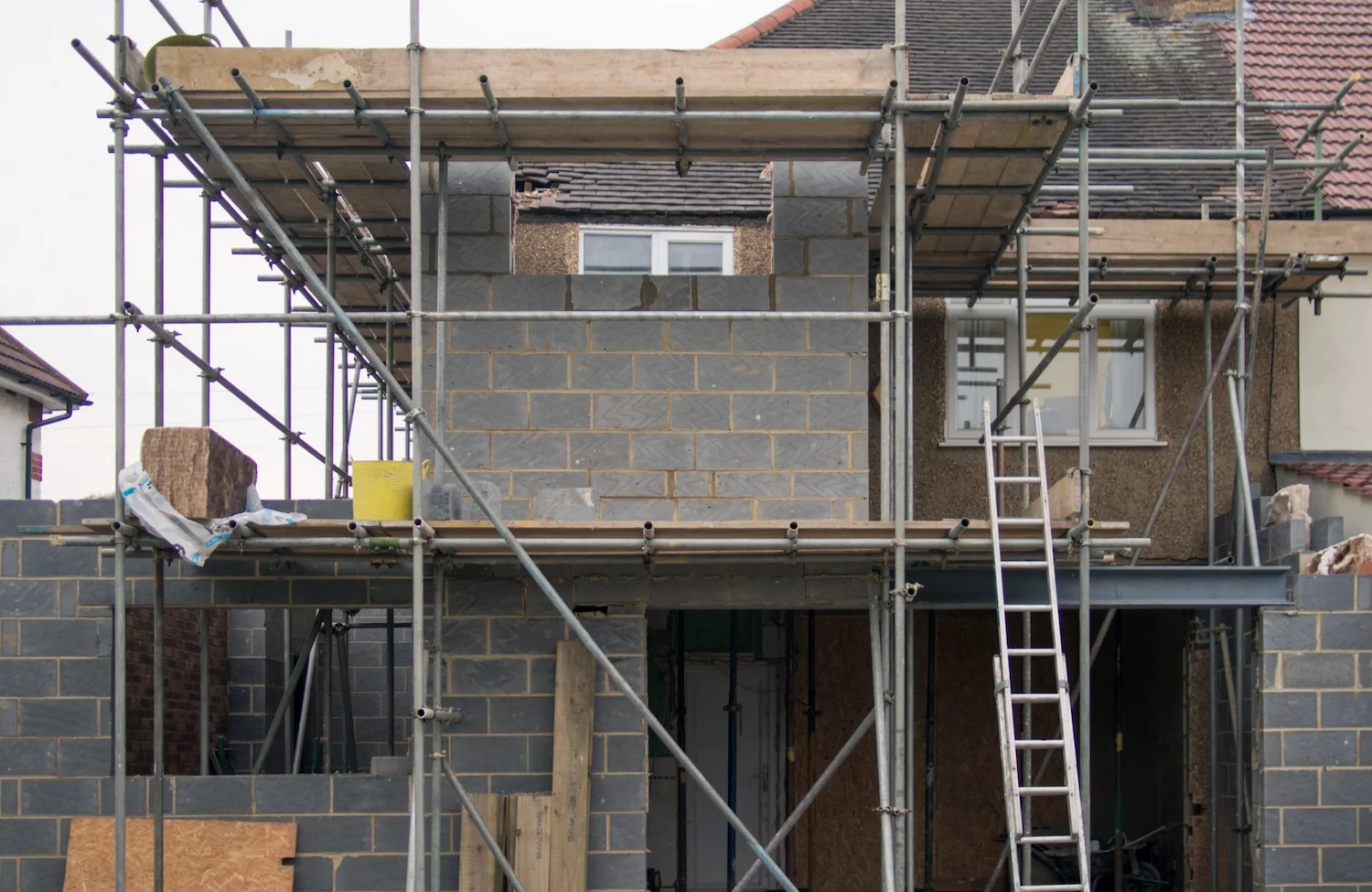
Scaffold erection and removal creates noise and temporarily reduces natural light to some units. Building management should communicate the restoration schedule to residents in advance, identify which building faces are affected and when, and provide realistic timelines for completion of each phase. Residents with balconies in the restoration zone will need to vacate their balconies during the period when work is active on their level, which requires coordinated advance notice.
Dust, mortar debris, and water from pressure washing must be contained to prevent contact with residents, vehicles, and pedestrians at ground level. Stone Haven Developments manages all of these logistics through their project management process, working directly with building management to ensure residents are informed and protected throughout the repair project.
What Does Apartment Complex Masonry Repair Cost in Ontario?
Apartment complex masonry repair costs in Ontario are driven by building height, facade area, extent of mortar deterioration, number of brick replacements required, and whether structural repairs such as lintel replacement or parapet rebuilding are part of the scope. Tuckpointing on a mid-rise apartment building is typically quoted per square metre of facade area treated, with the total cost scaling with the percentage of the building that requires repointing.
Additional cost drivers include the access system selected (scaffolding versus swing stage), the requirement for traffic management or pedestrian protection at sidewalk level, the degree of colour matching required on brick replacements, and whether the building carries a heritage designation that requires lime mortar and material documentation. A building assessment completed before quoting produces a more accurate cost estimate than a visual inspection alone, particularly on buildings over 30 years old where the gap between visible and concealed deterioration can be significant.
Stone Haven Developments provides detailed written proposals for apartment building masonry repair, scoped by building zone and elevation, with clear specification of repair methods and materials. Contact their team through Stone Haven to arrange a facade assessment and receive a written quote.
What Regulations Apply to Apartment Building Masonry Repair in Ontario?
Apartment building masonry repair in Ontario is subject to building permit requirements when structural work is involved, including lintel replacement, parapet rebuilding, or balcony structural repairs. Standard tuckpointing and brick replacement that does not affect structural elements generally does not require a permit, but owners should confirm this with their municipality. Heritage-designated apartment buildings require heritage permits for exterior modifications under the Ontario Heritage Act.
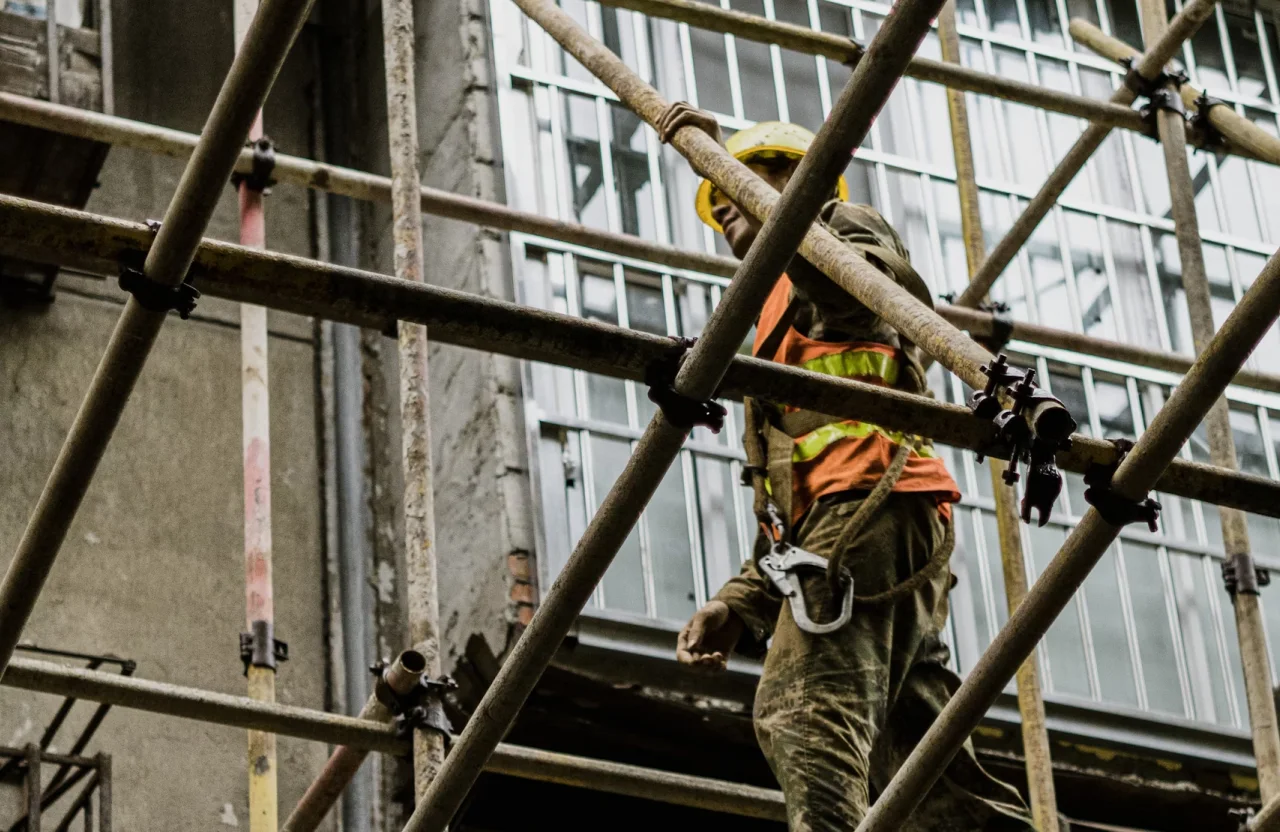
Ontario construction safety requirements under Ontario Regulation 213/91 apply to apartment building masonry work involving scaffolding, working at heights, and swing stage operations. Contractors must comply with fall protection requirements and ensure that all workers on elevated platforms are trained under the provincial Working at Heights program.
For condominium corporations, masonry repair on common elements also involves compliance with the Condominium Act, 1998, which outlines requirements related to condominium governance, common elements, and owner responsibilities during major repair projects. Stone Haven’s professional consulting team advises property managers and condominium boards on repair scope and project planning.
Protecting Apartment Building Residents and Assets Through Masonry Repair
Timely masonry repair on Ontario apartment complexes protects residents from falling masonry hazards, reduces the rate of water infiltration that damages suites and building systems, and preserves the long-term value of the building asset. Condominium corporations and property owners who defer masonry repair beyond the point of mortar joint failure face rapidly escalating costs as water infiltration damages brick ties, lintels, and the interior finishes of affected suites.
Stone Haven Developments provides apartment building masonry repair services with the occupied-building logistics management, correct material specification, and project transparency that multi-unit residential property owners and condominium boards require.
Arrange a Facade Assessment with Stone Haven Developments
Stone Haven Developments provides apartment complex masonry repair services across Southwestern Ontario, covering mortar repointing, brick replacement, parapet repair, lintel replacement, and balcony masonry work on multi-unit residential buildings. Their team works directly with property managers, condominium corporations, and building owners to plan and deliver masonry repair projects that protect residents and extend the service life of the building envelope. Contact Stone Haven to arrange a facade assessment and receive a written proposal scoped to your building’s specific condition.
Frequently Asked Questions
1. What masonry repairs are most common on Ontario apartment buildings?
The most common masonry repairs on Ontario apartment buildings are mortar joint repointing, brick face replacement, parapet wall repair, lintel replacement over windows and doors, and caulking replacement at window perimeters and balcony thresholds. Balcony soffit spalling is a safety-critical issue that requires prompt attention when identified. Stone Haven Developments provides commercial masonry and residential masonry repair covering all of these scope items across Southwestern Ontario.
2. How do I know if my apartment building needs masonry repair in Ontario?
Signs that an Ontario apartment building needs masonry repair include visible mortar joint gaps or loose material, brick faces that are cracking or spalling, rust staining from corroding brick ties or lintels, interior water staining near exterior walls or windows, and draft or air infiltration in units adjacent to the exterior facade. A professional masonry inspection will identify the scope and urgency of required repairs. Stone Haven provides brickwork services and facade assessments for apartment building clients in Southwestern Ontario.
3. Does apartment building masonry repair require a building permit in Ontario?
Standard tuckpointing and brick replacement that does not affect structural elements generally does not require a building permit in Ontario. Structural repairs such as lintel replacement, parapet rebuilding, and balcony structural work typically require a building permit and may require involvement of a structural engineer of record. Heritage-designated buildings require heritage permits. Stone Haven Developments coordinates permit planning through their project management process to ensure correct approvals are in place before structural or envelope work begins.
4. How are residents protected during apartment building masonry repair in Ontario?
Residents are protected during apartment building masonry repair through advance communication, balcony access restrictions during active work on their level, debris containment at ground level, dust management during mortar removal, and noise scheduling that limits disruptive work to appropriate daytime hours. Stone Haven Developments works directly with building management teams to coordinate resident communication and site safety. Contact Stone Haven to discuss their approach to occupied-building masonry repair projects.
5. How long does apartment complex masonry repair take in Ontario?
Apartment complex masonry repair timelines in Ontario depend on building size, number of elevations being restored, extent of deterioration, and the access system used. A standard four-storey apartment building repointing project may take 6 to 14 weeks of active restoration work, with taller buildings and more complex scopes taking longer. Work is typically scheduled from April through November to avoid cold weather mortar constraints. Stone Haven’s project management team provides detailed project schedules in written proposals for apartment building repair projects.
Key Takeaways
- Apartment complex masonry repair in Ontario covers mortar repointing, brick replacement, parapet and balcony repair, lintel replacement, and caulking replacement driven by freeze-thaw climate exposure.
- The Canada Masonry Design Centre recommends masonry veneer walls be inspected every five to ten years to identify deterioration before water infiltration causes deeper and more expensive damage.
- Structural masonry repairs on apartment buildings, including lintel replacement and parapet rebuilding, require a building permit and may require a structural engineer of record.
- Ontario Regulation 213/91 applies to all scaffolding and elevated work on apartment building masonry projects, requiring Working at Heights certification for all workers on elevated platforms.
- Condominium corporations must follow the Condominium Act of Ontario for major repair approval, reserve fund planning, and unit owner disclosure requirements.
- Apartment building masonry repair must be managed around active resident occupancy, requiring clear communication, phased scheduling, and debris containment.
- Stone Haven Developments provides apartment building masonry repair services across Southwestern Ontario including Kitchener, Waterloo, Hamilton, London, Cambridge, Guelph, and Burlington.