Two Distinct Trades Within the Same Craft
Walk past a residential construction site in Stratford or a commercial build in Kitchener and you will see two forms of masonry work that look similar at a glance but involve fundamentally different materials, techniques, and applications. Block laying and brick laying are both masonry trades. Both require skilled tradespeople, mortar, and a working knowledge of how masonry structures behave under load and in Ontario’s climate. But the materials they work with, the structures they produce, and the contexts in which each is the right choice differ in ways that matter considerably to property owners planning a project.
Understanding the difference between block laying and brick laying helps you ask better questions when evaluating contractors, make more informed material decisions for your project, and recognize why a contractor who is highly skilled in one is not automatically the right choice for the other.
Stone Haven Developments has been delivering both block laying and brick laying work across residential, commercial, and industrial projects in Southwestern Ontario for 17 years. This guide gives property owners a clear, practical breakdown of what each trade involves, where they differ, and how to determine which one your project requires.
What Is Brick Laying?
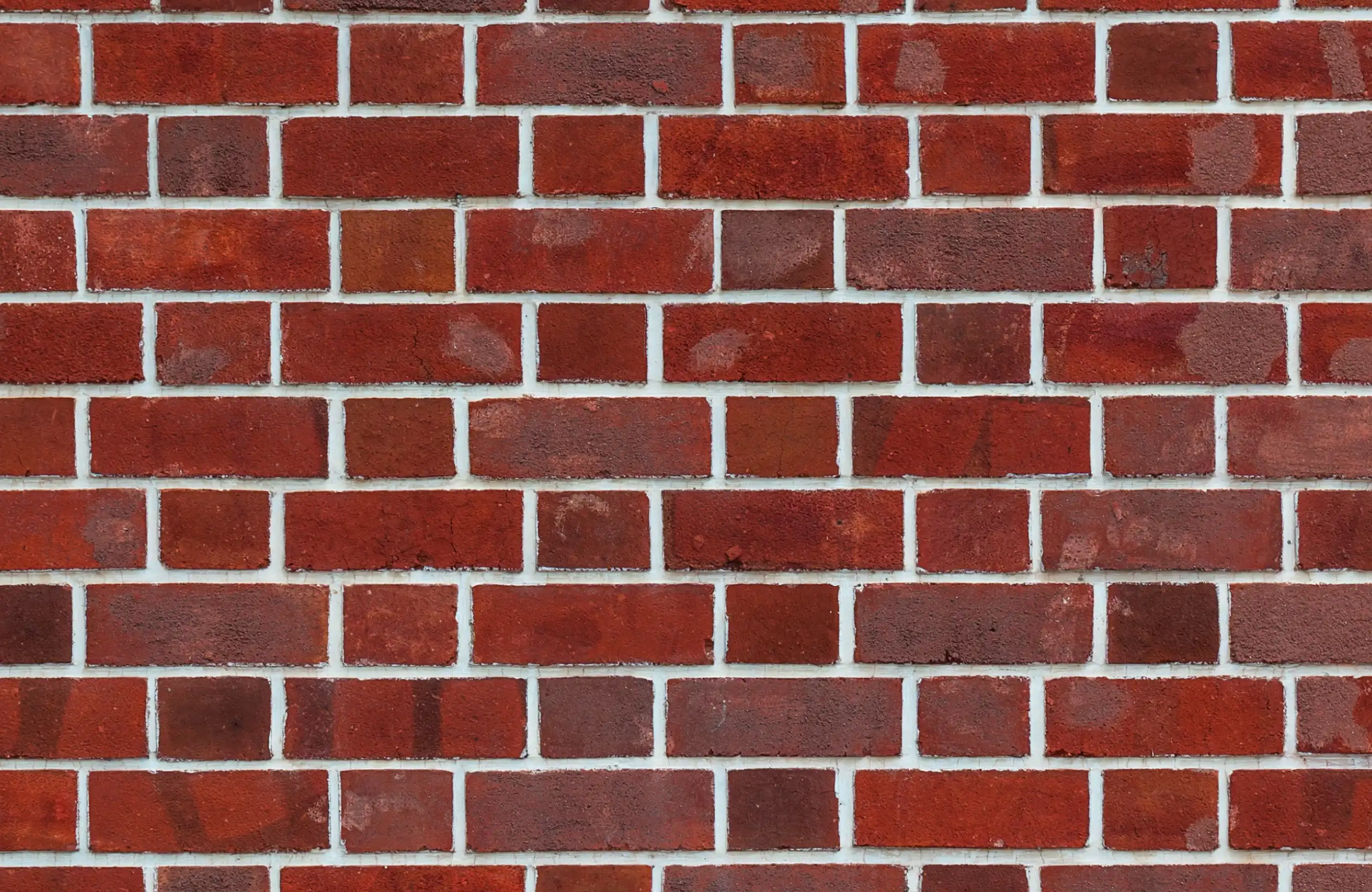
Brick laying is the craft of constructing walls, facades, chimneys, arches, and other masonry elements using brick units clay, concrete, or sand-lime bound together with mortar. It is among the most skill-intensive of the masonry trades, requiring precision in joint consistency, course alignment, bond pattern execution, and detailing at corners, openings, and transitions.
The brick units used in residential and commercial construction across Ontario are relatively small a standard modular brick measures approximately 190 by 90 by 57 millimetres which means a typical brick wall involves a high volume of individual units, each requiring proper mortar bed preparation, careful positioning, and consistent joint finishing. On a full exterior facade, a skilled bricklayer is managing hundreds of decisions per course: mortar consistency, unit alignment, plumb and level checks, bond pattern continuity, and the detailing at every penetration, corner, and opening.
Brick laying also requires a thorough understanding of how brick performs in Ontario’s climate. The selection of brick grade for exterior exposure, the correct mortar specification for the application, the joint profile that sheds water effectively, and the provision of adequate drainage and flashing details are all responsibilities that fall to the bricklayer and directly determine whether the finished wall performs for decades or begins deteriorating within a few years.
Stone Haven Developments approaches brick laying with the craft standard that the material and Ontario’s conditions demand. Our bricklayers bring field experience across residential facades, commercial exteriors, chimney systems, and restoration projects throughout the region.
What Is Block Laying?
Block laying is the craft of constructing walls, foundations, and structural systems using concrete masonry units commonly referred to as CMU or concrete block. Concrete blocks are significantly larger than standard brick, typically measuring 390 by 190 by 190 millimetres in the most common size, which means a given area of wall requires considerably fewer units and the pace of construction is faster than brick laying at a comparable scale.
The larger unit size and the structural nature of most block laying applications give the trade a different character than brick laying. Block walls are often load-bearing structural systems engineered to carry floor loads, roof loads, and lateral forces. Reinforcing steel is placed vertically through the hollow cores of block units, which are then grouted solid to create a reinforced masonry wall system with compressive and flexural strength well beyond what unreinforced block or standard brick construction provides.
Block laying requires a working knowledge of structural masonry principles, reinforcing placement, grout consolidation, and the specific performance requirements of the wall systems being constructed. On commercial and industrial projects across Ontario, block laying is frequently performed to engineering drawings that specify reinforcing size and spacing, grout requirements, and structural performance criteria that the installer is responsible for meeting.
Block Laying vs Brick Laying: The Key Differences
Material Size and Handling
The most immediately visible difference between block laying and brick laying is the size of the unit being worked with. A standard concrete block is roughly three times the volume of a standard brick, which means block laying moves faster in terms of wall area covered per hour but requires more physical effort per unit and different handling technique. Bricklayers develop a rhythm and physical precision with small units that differs from the handling approach required for the heavier, more dimensionally consistent units used in block laying.
This size difference also affects the scale of mortar beds and the precision requirements at the joint level. Brick laying joints are typically 10 millimetres and require careful control to maintain consistency across hundreds of units per course. Block laying joints are also typically 10 millimetres but are less visually prominent given the overall scale of the unit, and the face shell bedding technique used in standard CMU construction where mortar is applied only to the outer shells of the block rather than the full bed surface differs from the full-bed mortar approach used in most brick laying applications.
Structural Application
Concrete block is the dominant structural masonry material in Ontario’s commercial, industrial, and institutional construction sectors for good reason. Reinforced CMU walls can carry substantial loads, resist lateral forces from wind and seismic events, and achieve fire-resistance ratings that make them the code-compliant choice for many commercial applications. Block laying, in these contexts, is structural work performed to engineering specifications with defined performance requirements.
Brick laying in standard residential and commercial construction is also structural; brick walls carry loads and contribute to the structural integrity of the building but the structural demands placed on standard brick construction are typically lower than those addressed by reinforced CMU systems. Brick is most often selected for its aesthetic performance, its weather resistance, and its long-term value contribution to the property, with structural performance being a supporting rather than governing consideration in most residential applications.
Aesthetic Application
Brick is the dominant masonry choice for finished exterior applications where appearance matters. The color range, texture variety, and architectural character available in clay brick give designers and property owners a level of aesthetic flexibility that concrete block cannot match in its standard form. Brick facades age well, carry strong associations with quality construction in the residential market, and contribute positively to property value in ways that exposed concrete block typically does not.
Concrete block in its standard form is an utilitarian material. Its appearance is functional rather than refined, which is why CMU structural walls are almost always either finished internally with paint or plaster, or clad externally with brick veneer, stone, or stucco to achieve the finished exterior quality the project requires. The block does the structural work behind the scenes while the finish material carries the aesthetic responsibility.
Cost and Speed
Block laying is generally faster and less expensive per unit of wall area than brick laying, which is a significant factor on large commercial or industrial projects where the scope involves thousands of square feet of wall. The efficiency advantage of block laying at scale is part of why it dominates in those sectors.
Brick laying carries higher labour costs per square foot, reflecting the greater number of units, the higher skill demands of precise joint work, and the additional time required for detailing at corners, openings, and transitions. That labour investment is justified by the quality of the finished product and its long-term contribution to the property, but it means brick is not the cost-efficient choice for large-scale structural walls where finish appearance is not a priority.
Waterproofing and Moisture Management
Both brick and concrete block require deliberate moisture management in Ontario’s climate, but their specific vulnerabilities differ. Brick’s primary moisture management requirement is sound mortar joints and proper drainage detailing at the cavity and flashing level. Well-specified brick has relatively low porosity and resists surface moisture infiltration effectively when joints are maintained.
Concrete block is more porous than brick and requires more attention to waterproofing at the wall surface level. Below-grade CMU walls require waterproofing membrane application or crystalline treatment to resist hydrostatic pressure. Above-grade CMU walls used as finished exterior surfaces in agricultural buildings, some commercial applications, and older construction require surface sealers or coatings to manage moisture absorption, with the important caveat that vapor-permeable products must be used to avoid trapping moisture within the block.
When to Choose Brick Laying for Your Project
Brick laying is the stronger choice when the project involves a residential exterior, commercial facade, or any application where the finished appearance is a priority and will be evaluated closely. Heritage restoration projects where matching original brick masonry is a requirement are exclusively a brick laying scope. Chimney systems on residential and commercial buildings are almost universally brick construction. Decorative masonry features feature walls, archways, columns, fireplace surrounds where the visual quality of the masonry is part of the design intent are brick laying applications.
For property owners who are building or restoring a property and want masonry that contributes to long-term value, curb appeal, and the quality perception of the building, brick laying is the appropriate trade.
When to Choose Block Laying for Your Project
Block laying is the stronger choice when the project involves a load-bearing structural wall system at commercial or industrial scale, a foundation or below-grade structural wall, a retaining wall requiring engineered reinforcement, or any large-format structural application where the governing requirements are structural performance and cost efficiency at scale rather than finished appearance.
Block laying is also the appropriate choice when the project uses concrete block as the structural backing for a brick or stone veneer a composite wall system common in commercial construction across Ontario that combines the structural efficiency of CMU with the finished quality of traditional masonry at the exterior face.
Projects That Require Both
On many commercial and higher-end residential projects, block laying and brick laying are not competing choices but complementary scopes performed on the same project. A commercial building with reinforced CMU structural walls and a brick veneer exterior requires both trades, and the coordination between them ensuring that the block backing is built to the correct dimensions and with the correct tie placement to receive the brick veneer directly affects the quality and performance of the finished assembly.
Stone Haven Developments brings capability in both block laying and brick laying to every project that requires it. Our team manages the coordination between the two scopes without the communication breakdowns that occur when separate subcontractors are managing each trade independently.
What This Means When Hiring a Masonry Contractor in Ontario
The block laying vs brick laying distinction is practically useful when evaluating contractors for your project. A contractor whose primary experience is in residential brick laying may not have the structural masonry background that a reinforced CMU commercial project requires. A contractor who predominantly works on commercial block laying may not bring the craft standard that a heritage brick restoration demands.
Ask directly about the contractor’s experience with the specific material and application type your project involves. Request examples of comparable completed work. Evaluate how clearly and specifically they can describe their approach to the material, the mortar specification, and the detailing requirements of your project. That level of clarity in the conversation before work begins is a reliable indicator of the quality you can expect in the execution.
Stone Haven Developments provides both block laying and brick laying services across the full range of residential, commercial, and industrial project types we serve throughout Southwestern Ontario. Matthew Howe’s 17 years of trade experience spans both materials and both structural and aesthetic masonry applications, which means the recommendation we make for your project reflects genuine knowledge of what each approach requires and delivers.
Masonry Services Across Southwestern Ontario
Stone Haven Developments serves property owners and project partners across Stratford, Kitchener, Waterloo, Guelph, Cambridge, Hamilton, London, Burlington, Oakville, and Milton. Whether your project calls for precision brick laying on a residential facade, reinforced block laying on a commercial structural system, a composite wall combining both, or any other masonry scope, our team delivers the same standard of quality and professional communication on every job.
As a full-service general contractor, we also offer project management, new construction, building development, and commercial financing for qualified builds, giving property owners a single, trusted partner across the full scope of a project.
Ready to Discuss Your Project?
If you are planning a project that involves block laying, brick laying, or a combination of both, and you want a direct conversation about the right approach for your application and your goals, contact Stone Haven Developments. We bring the experience and the honesty that good masonry decisions require.