Brick spalling occurs when the outer face of a brick cracks, flakes, or breaks away, typically caused by water penetration and freeze-thaw cycles. Repair options range from individual brick replacement to full-section restoration depending on severity. Addressing failed mortar joints early is the most effective way to prevent spalling from spreading.
Is Your Brick Face Flaking Off? Here Is What Is Actually Happening
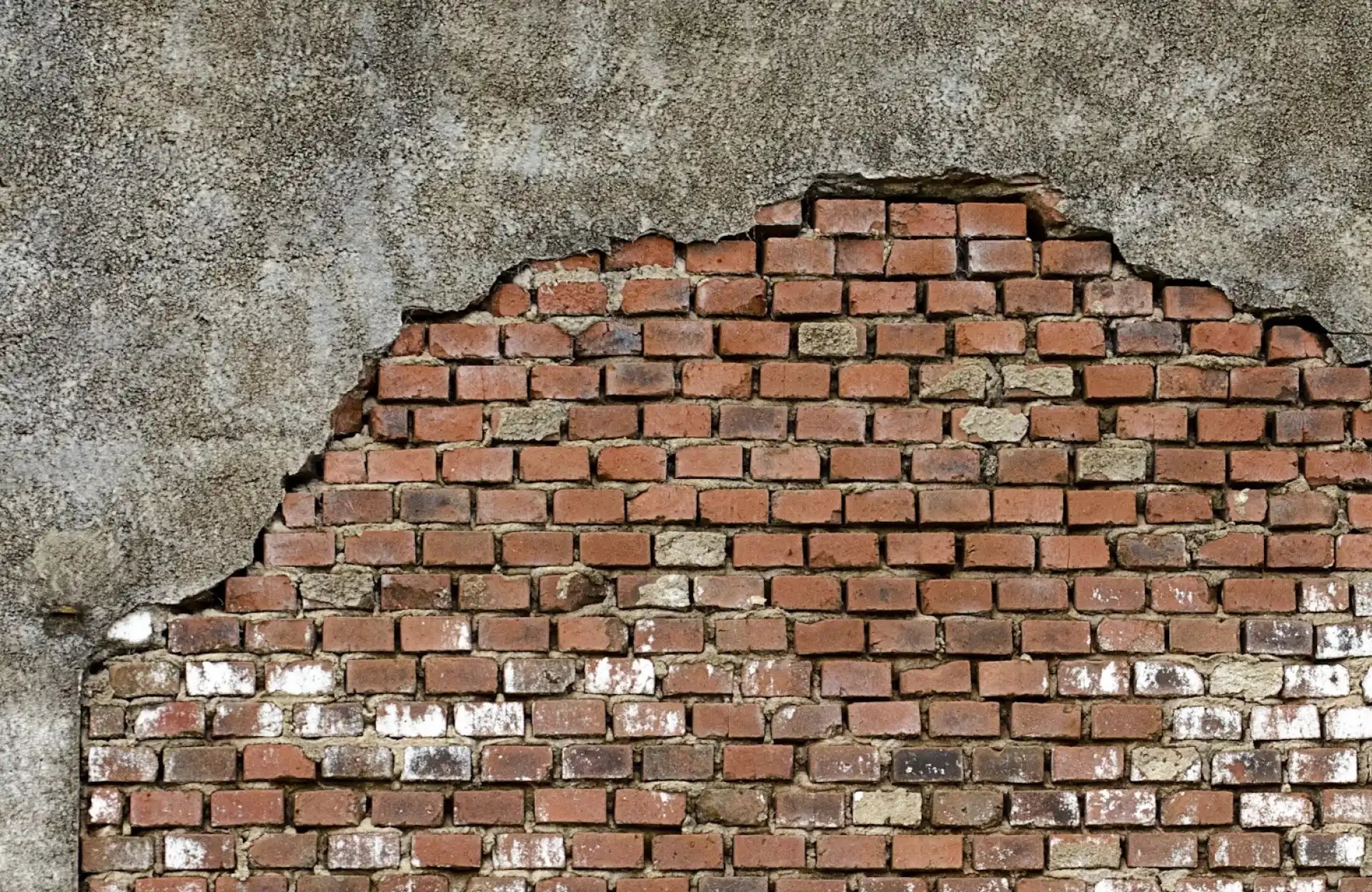
You notice it on the front wall first. A few bricks with their faces cracked and peeling away. Chunks of brick sitting at the base of the wall. Holes where solid masonry used to be. This is brick spalling, and it tends to spread quickly once it starts. Most property owners mistake it for purely cosmetic damage. The reality is that spalling brick signals a failure in the masonry assembly that, left unaddressed, allows water deeper access into the structure with every Ontario freeze-thaw cycle. This guide covers the causes of brick spalling, the repair options available, and how to determine the right course of action for your property.
What Is Brick Spalling?
Spalling refers to the deterioration of the outer face of a brick, where the surface cracks, flakes, or breaks away in fragments. It can affect individual bricks or spread across sections of a wall. The exposed inner face of a spalled brick is typically rougher, more porous, and far more vulnerable to further moisture penetration. Spalling is one of the more common outcomes of deferred masonry maintenance in Ontario, particularly on properties where mortar joint deterioration has been left unaddressed for several seasons.
What Causes Brick Spalling?
Freeze-Thaw Cycles
This is the primary cause in Ontario. When water enters brick through cracked or failed mortar joints, it saturates the brick. In winter, that water freezes and expands by approximately 9%, forcing the outer face of the brick apart from the inside. With each freeze-thaw cycle, the damage deepens. A brick that looks minor in October can have a completely blown face by April.
Failed Mortar Joints
Mortar acts as the first line of defence against water infiltration. When joints crack, recede, or crumble, water enters freely. Timely repointing is the most cost-effective prevention against spalling.
Over-Saturation from Poor Drainage
Brick walls near downspout discharge points, in areas with inadequate slope away from the foundation, or adjacent to overflowing gutters take on significantly more water than they are designed to handle. Chronic saturation accelerates both mortar deterioration and spalling.
Incorrect Mortar Used in Previous Repairs
Using Portland cement mortar, which is harder than the surrounding brick, on older masonry is a well-documented cause of spalling. When the wall moves with temperature changes, the harder mortar does not flex. Instead, the force transfers to the brick face, which cracks and separates.
Sandblasting or High-Pressure Washing
Abrasive cleaning methods, particularly sandblasting, can permanently damage the dense outer fire-skin of a brick. Once that outer layer is compromised, the more porous interior is exposed and absorbs water at a far higher rate, significantly accelerating the spalling process.
Age and Manufacturing Quality
Older bricks, particularly those manufactured before modern kiln standards, may have natural inconsistencies in density and porosity. Some bricks from certain eras are simply more susceptible to weathering and require closer monitoring.
How Serious Is Spalling Brick?
The severity depends on how much of the wall is affected and how advanced the damage is. A few isolated spalled bricks on a residential wall is a repair job. Widespread spalling across a commercial facade, or spalling that has reached structural masonry, is a significant restoration scope.
The Masonry Advisory Council identifies early intervention as critical in preventing spalling from becoming a structural concern, noting that each freeze-thaw cycle that passes on a spalled wall compounds the damage.
Brick Spalling Repair Options
Individual Brick Replacement
Where spalling is limited to a small number of isolated bricks, the most appropriate repair is to remove and replace each affected brick. This requires carefully cutting out the damaged brick, sourcing a matching replacement, and setting it with compatible mortar. The surrounding joints are typically repointed as part of this scope.
Section-by-Section Restoration
Where spalling has spread across a larger section of wall, a more systematic restoration approach is required. This involves removing all damaged bricks in the affected section, assessing the underlying structure, and rebuilding with properly matched brick and mortar.
Full Facade Restoration
On severely deteriorated walls, a full facade restoration may be the most practical solution. Stone Haven’s stone restoration and reclamation services cover this scope on both residential and commercial properties, including heritage brick where sourcing and matching materials requires additional expertise.
Repointing to Prevent Further Damage
Where spalling is in its early stages and the bulk of the brick face is still intact, repointing the mortar joints to seal out moisture can halt the progression. This is the most cost-effective intervention when caught early.
What Stone Haven Development Does for Brick Spalling
Stone Haven Development has 17 years of hands-on masonry experience across residential, commercial, and industrial properties in Southwestern Ontario. We approach spalling repair with the same precision required on any structural masonry task: identify the moisture source, correct it, and then repair the damaged masonry with compatible materials.
We do not guess at mortar compatibility or skip the root cause assessment. Every brick restoration project we take on starts with understanding why the damage happened before deciding how to fix it.
Our service area covers Stratford, Kitchener, Waterloo, Guelph, Hamilton, Cambridge, London, and across Southwestern Ontario. See completed work in our project gallery or contact us to arrange an assessment.
Frequently Asked Questions
1. Can spalled brick be repaired, or does it need to be replaced?
Minor surface spalling on otherwise structurally sound brick can sometimes be stabilized with a compatible consolidant and protective coating. However, bricks with significant face loss or structural compromise are typically replaced. A masonry professional can assess which approach is appropriate for each brick.
2. How much does it cost to repair spalling bricks in Ontario?
Individual brick replacement typically costs $15 to $40 per brick including labour and mortar. Larger restoration scopes are priced by the square foot. For a full breakdown of masonry repair pricing, see our guide on brick restoration cost in Ontario.
3. How do I stop brick spalling from spreading?
The fastest way to stop spalling from spreading is to address the mortar joints that are allowing water in. Repointing deteriorated joints prevents further moisture infiltration and takes the primary driver of freeze-thaw damage out of the equation.
4. Is spalling brick covered by home insurance?
Standard home insurance policies typically do not cover gradual deterioration of masonry from age and weather. Coverage may apply if damage resulted from a sudden insured event. Review your policy and contact your insurer to confirm.
5. How long does it take to repair spalling bricks?
A small repair involving a handful of individual bricks typically takes one to two days. Larger section restorations or full facade work can take one to three weeks depending on scope, access requirements, and material sourcing.
Spalling Brick Gets Worse With Every Season You Wait
Each freeze-thaw cycle that passes on a spalled wall deepens the damage. The repair window where individual brick replacement is sufficient closes over time. Contact Stone Haven Development for a professional masonry assessment and get an honest picture of what your wall needs before the next Ontario winter.
Key Takeaways
- Brick spalling occurs when water trapped inside the masonry freezes and expands, causing the outer face of the brick to crack, flake, or peel away.
- While often viewed as a cosmetic issue, spalling actually strips away the protective outer layer of a brick, leaving the porous interior vulnerable to rapid structural decay.
- Common triggers for spalling include failed mortar joints, poor drainage from downspouts, and the use of modern hard cements on flexible heritage masonry.
- High-pressure washing and sandblasting are major causes of damage because they strip away the dense fire-skin of the brick that naturally resists water penetration.
- Repairing spalled sections early through individual brick replacement and repointing is significantly more affordable than waiting for the damage to necessitate a full facade restoration.