Brick veneer installation cost in Ontario typically ranges from $30 to $75 or more per square foot depending on material selection, wall preparation, design complexity, and site conditions. Understanding the factors that drive pricing helps property owners plan accurate budgets and avoid unexpected costs. Professional installation is critical for long-term performance in Ontario’s demanding climate.
Why Homeowners Choose Brick Veneer in Ontario
Brick veneer provides the classic, high-end appearance of full masonry construction at a fraction of the structural weight and material cost. For Ontario homeowners looking to improve curb appeal, increase property value, and add a durable exterior finish, it remains one of the most effective and lasting exterior upgrades available. Stone Haven Development installs brick veneer across Southwestern Ontario as part of its broader masonry services, combining material expertise with precision installation.
Unlike full brick construction, veneer systems do not serve a structural load-bearing role. They are applied to an existing wall assembly over a properly installed moisture management system, which reduces the structural demands on the building while still delivering the aesthetic and insulation benefits of masonry.
Average Brick Veneer Installation Costs in Ontario
Installation costs in Ontario generally fall within the following ranges, though every project is ultimately priced based on specific site conditions and scope.
- Standard clay brick veneer installations: $30 to $55 per square foot
- Premium brick selections or complex designs: $55 to $75 or more per square foot
- Thin brick systems: typically in the lower to mid range depending on product quality
- Reclaimed or specialty brick: often at the higher end of the range due to sourcing and handling requirements
These estimates reflect both materials and labour but do not account for site-specific variables such as scaffolding requirements, existing wall condition, or permit costs. A detailed site assessment is the most reliable way to establish an accurate project budget.
Key Factors That Affect Brick Veneer Installation Cost
Brick Material Selection
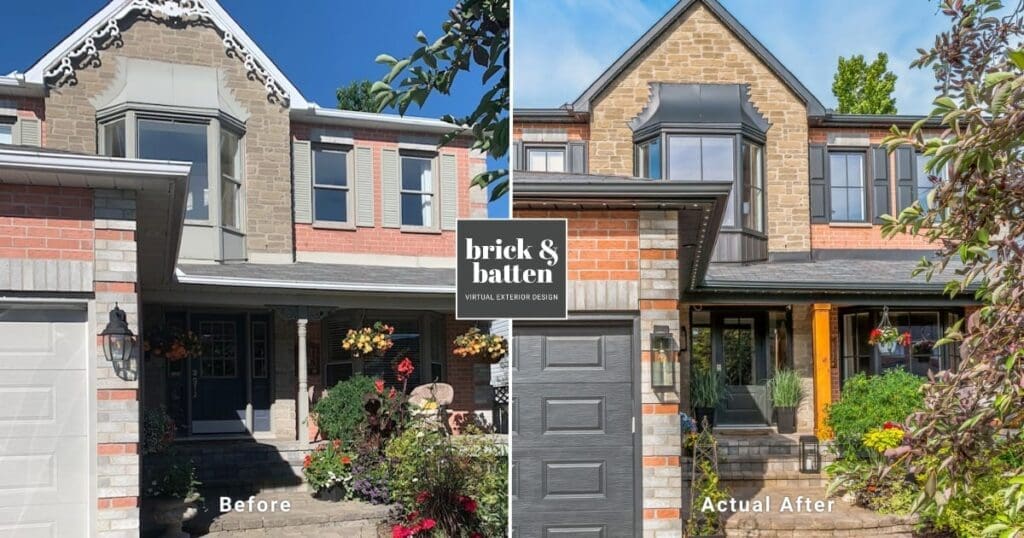
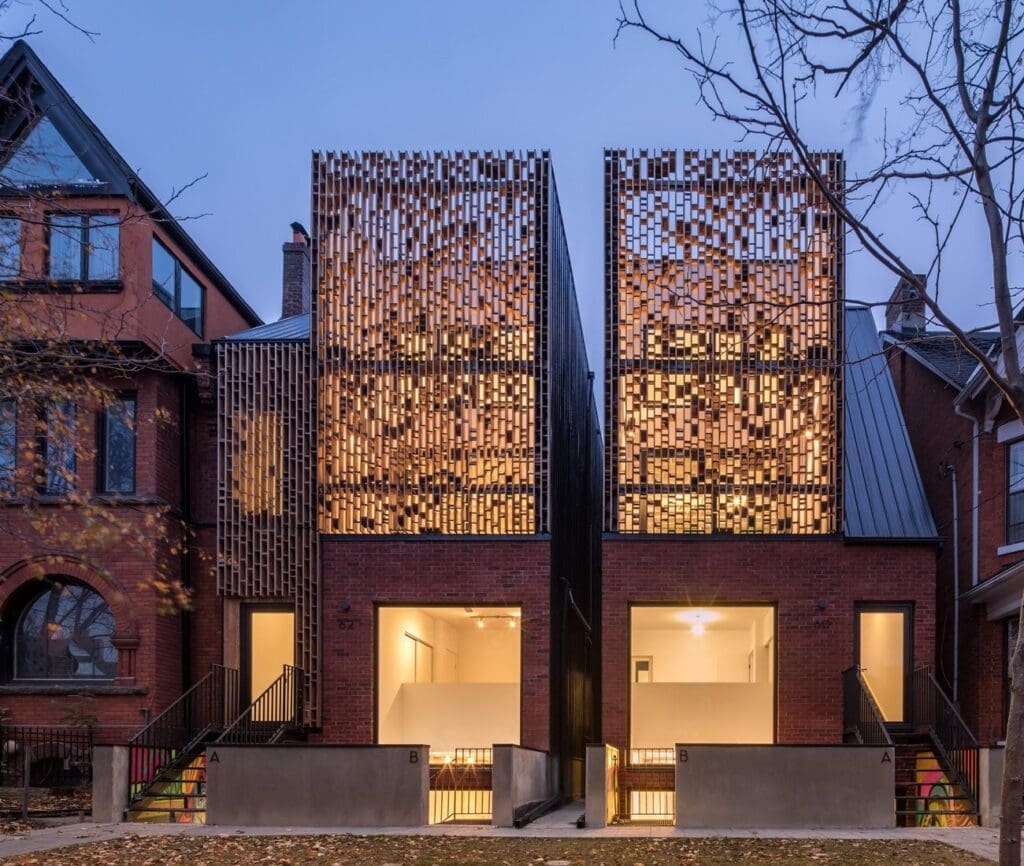
Material choice is one of the largest single drivers of project cost. Standard modular clay bricks sit at the lower end of the price range, while imported brick, tumbled antique brick, custom colour blends, and thin-profile systems move pricing upward. The brick selected should be appropriate for Ontario’s climate, meaning it carries a suitable freeze-thaw rating for exterior applications.
Surface Preparation and Moisture Management
Proper brick veneer installation begins behind the veneer itself. The wall assembly must be prepared with an appropriate weather-resistant barrier, metal lath or structural backing, correctly installed flashing at the base, and weep holes or drainage provisions to allow any moisture that penetrates the veneer to exit the system. The cost and complexity of this preparation phase depends heavily on whether existing siding must be removed and the condition of the underlying wall sheathing.
Project Scale and Site Accessibility
Labour costs scale with the project. Larger homes require more materials, more installation time, and sometimes multi-crew coordination. Multi-storey applications, narrow lot access, or tight urban sites often require scaffolding, which adds to overall project costs. Accessibility constraints should be factored into any budget conversation with your contractor.
Design Complexity and Custom Detailing
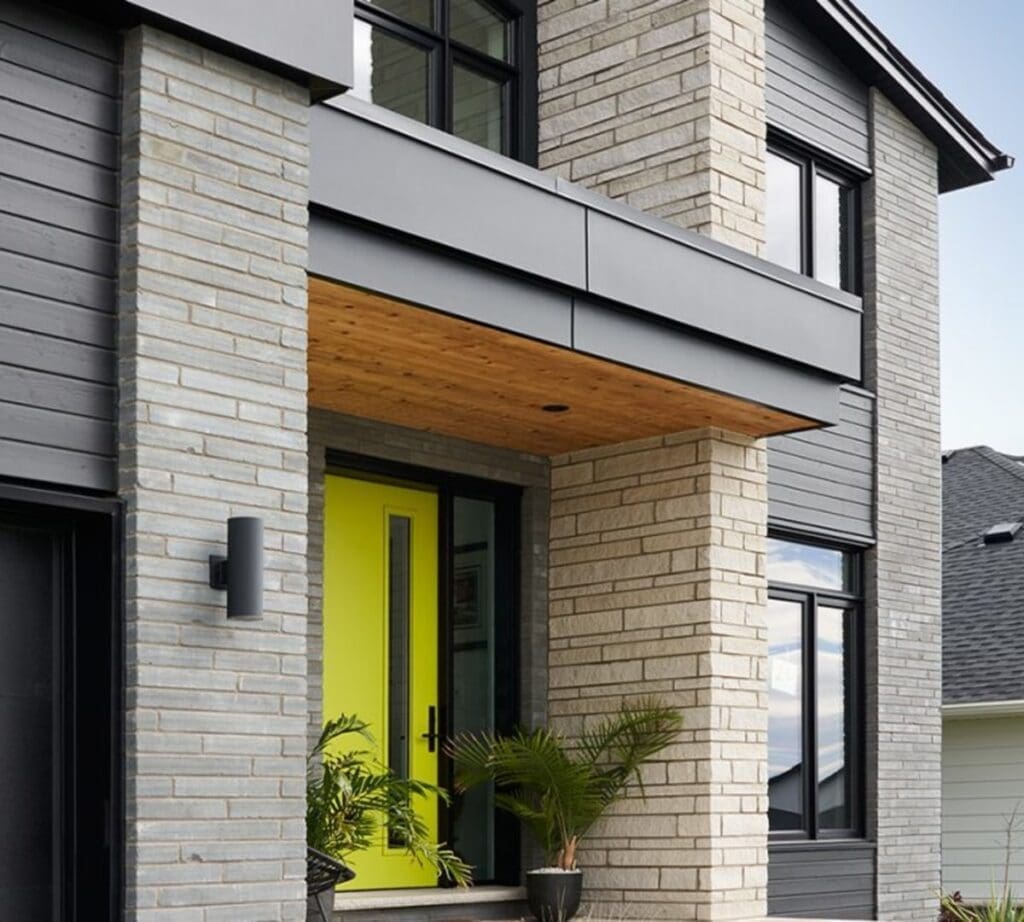
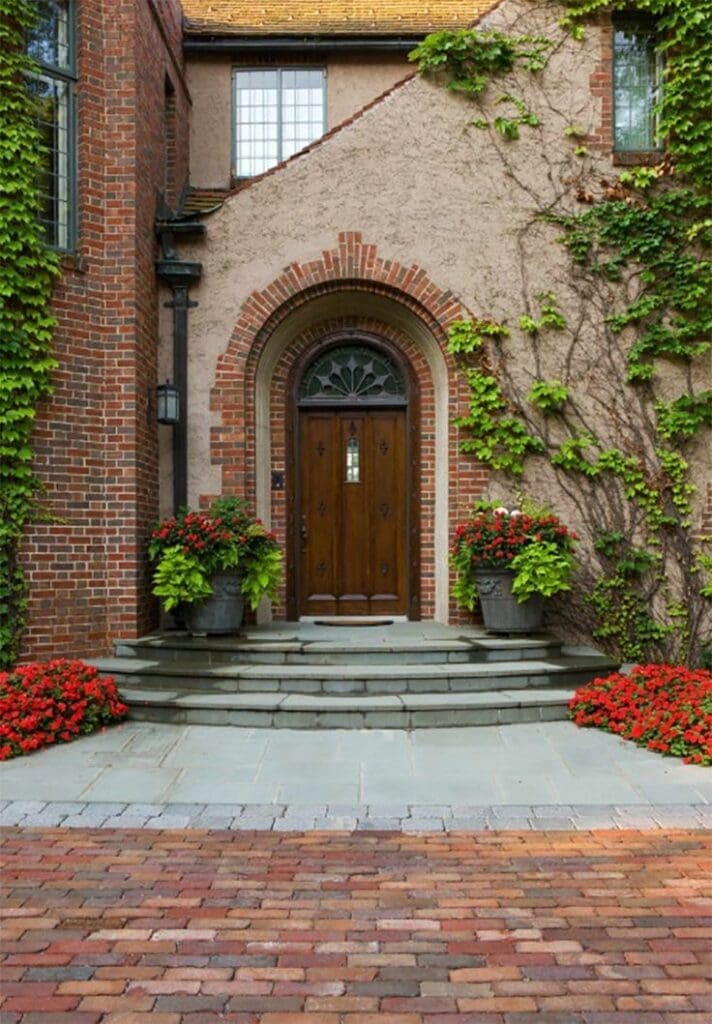
Straightforward flat wall applications are the most cost-efficient. Projects that incorporate decorative arches, brick quoins, recessed window surrounds, exterior columns, or accent accent banding require additional layout time, cutting precision, and craft attention. Stone Haven’s masonry team handles custom detailing as part of its standard project scope, ensuring that complex design features are executed with the same precision as the base installation.
Permits and Building Code Compliance
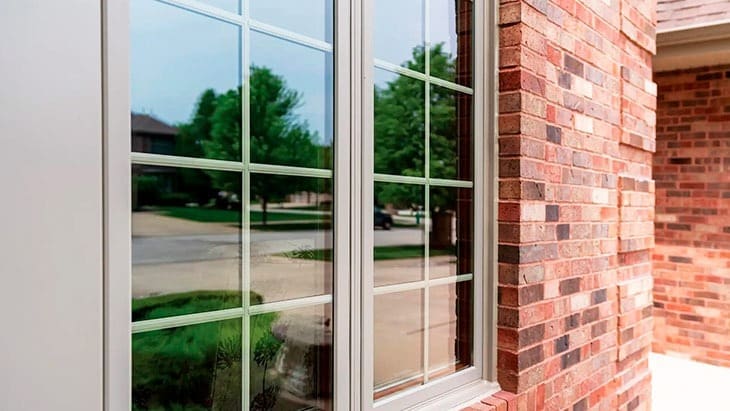
Depending on the municipality and the scope of the installation, building permits may be required. Ontario’s building code establishes specific requirements for exterior cladding systems, including anchoring, flashing, and drainage provisions. Permit costs vary by municipality but are a necessary component of any compliant installation.
Brick Veneer vs. Full Brick: Understanding the Cost Difference
Full brick construction involves laying structural masonry as part of the building’s wall system. It requires deeper footings, additional structural support, and substantially more material. Brick veneer achieves a comparable visual outcome without those structural demands, making it the practical choice for renovations, additions, and new residential construction where full brick would add significant cost and engineering complexity.
For homeowners weighing exterior options, the Canada Mortgage and Housing Corporation publishes guidance on exterior cladding performance and maintenance that can help inform material selection decisions.
Is Brick Veneer Worth the Investment in Ontario?
For most Ontario property owners, brick veneer delivers a strong return relative to its installed cost. The combination of improved curb appeal, long service life when properly installed, reduced maintenance compared to wood or vinyl siding, and meaningful insulation improvement makes it a sound long-term investment.
The Brick Industry Association notes that brick exteriors consistently outperform other cladding types in longevity assessments, with properly installed systems lasting 50 years or more with minimal maintenance. In Ontario’s freeze-thaw climate, that durability advantage is especially meaningful.
Stone Haven provides full-scope brick veneer installation across its Southwestern Ontario service area, including Stratford, Kitchener, Waterloo, Guelph, Hamilton, Cambridge, and surrounding communities.
How to Get an Accurate Brick Veneer Estimate
Contractor estimates for brick veneer should be based on a site visit, not a phone conversation. An accurate quote requires evaluation of total square footage, existing wall condition and preparation requirements, desired brick selection, structural considerations, drainage system needs, and permit requirements. Be cautious of any contractor providing firm pricing without having assessed the site.
Stone Haven’s estimating process begins with a thorough site review. The team walks the property, documents existing conditions, and provides a detailed written proposal before any work is scheduled. Contact Stone Haven Development to arrange a consultation.
Why Professional Installation Matters for Brick Veneer
Brick veneer installed without proper drainage provisions, adequate wall ties, or correctly lapped flashing is a liability rather than an asset. Moisture trapped behind the veneer with no exit path can cause mould, wood rot, and insulation degradation within the wall assembly. The Ontario Building Code specifies minimum requirements for exterior cladding systems precisely because improper installation has well-documented consequences.
Stone Haven Development brings 17 years of professional masonry experience to every brick veneer installation. The team’s knowledge of Ontario’s climate conditions, local code requirements, and long-term material performance ensures that every project is built to last. Explore Stone Haven’s full range of residential masonry services to understand the scope of work the team handles.
Plan Your Brick Veneer Project with Confidence
Brick veneer installation is one of the most impactful exterior upgrades available to Ontario homeowners. When specified correctly and installed by experienced masons, it delivers decades of low-maintenance performance, improved aesthetics, and genuine property value. Stone Haven Development serves property owners across Southwestern Ontario with transparent pricing, skilled craftsmanship, and a commitment to getting the details right. Reach out to the Stone Haven team to schedule your site assessment and receive a detailed project proposal.
Frequently Asked Questions
1. How much does brick veneer installation cost per square foot in Ontario?
Standard installations typically range from $30 to $55 per square foot. Premium materials, complex design features, or challenging site conditions can push costs to $75 per square foot or higher. A detailed site assessment is the most reliable way to establish an accurate budget for a specific project.
2. Is brick veneer cheaper than full brick construction?
Yes, in most cases significantly so. Brick veneer does not require the structural footings, additional wall framing, or reinforced foundations that full brick construction demands. The reduced material volume and structural requirements translate directly into lower installed costs while delivering a comparable exterior appearance.
3. Does brick veneer require maintenance?
Brick veneer requires minimal maintenance compared to many other cladding types. Periodic inspection of mortar joints, weep holes, and flashing is recommended every few years. If mortar joints show signs of cracking or deterioration, repointing should be addressed promptly to prevent moisture infiltration.
4. How long does brick veneer last in Ontario’s climate?
With professionally installed moisture management systems and properly rated freeze-thaw brick, brick veneer can last 50 years or more. Ontario’s climate is demanding on exterior cladding, which makes the quality of the drainage system and the freeze-thaw rating of the brick particularly important factors in long-term performance.
5. Can brick veneer be installed over existing siding?
In most cases, the existing siding must be removed before brick veneer installation. Applying veneer over siding without removing it prevents proper drainage plane installation, increases moisture risk, and may not comply with Ontario’s building code requirements. Your contractor should assess and document the wall condition before the installation begins.
6. What is the difference between thin brick veneer and standard brick veneer?
Standard brick veneer uses full-height modular bricks anchored to the wall with metal ties through a properly detailed moisture management system. Thin brick veneer uses sliced brick faces, typically 12 to 20 millimetres thick, adhered directly to the substrate. Thin systems can be installed in locations where the structural loading of full veneer is a concern, such as upper floors or interior feature walls. Each system has distinct installation requirements and performance characteristics.
Get Your Brick Veneer Estimate
Stone Haven Development serves homeowners and property managers across Southwestern Ontario with professional brick veneer installation grounded in 17 years of masonry expertise. If you are planning an exterior upgrade, reach out to Stone Haven Development to schedule a site assessment and receive a detailed, transparent project proposal.
Key Takeaways
- Brick veneer installation in Ontario typically costs $30 to $75 or more per square foot depending on materials and project scope.
- Material selection, wall preparation, design complexity, and site accessibility are the primary cost drivers.
- Brick veneer achieves the aesthetic of full masonry construction at a significantly lower structural cost.
- Proper drainage and moisture management behind the veneer is critical to long-term performance.
- Permits may be required depending on municipality and project scope.
- Professional installation ensures code compliance, moisture protection, and durability in Ontario’s freeze-thaw climate.