A chimney inspection is a structured assessment of your chimney’s exterior masonry, flue, crown, and firebox. Most Ontario homeowners should schedule one annually, particularly before the heating season. Stone Haven Developments walks through every stage so you can book with confidence and know exactly what the process involves.
Why Does Chimney Inspection Matter for Ontario Homeowners?
Most homeowners do not think about their chimney until something goes visibly wrong. A cracked crown, spalling brickwork, or a smoky interior that worked fine last winter are all signs that water has been working behind the scenes for months. A chimney inspection catches deterioration before it becomes a structural repair.
In Southwestern Ontario, freeze-thaw cycles are relentless. Mortar joints absorb moisture, expand when temperatures drop, and contract again in spring. Over several seasons, this physical stress opens gaps wide enough to let water reach the flue liner and framing. Stone Haven Developments has seen firsthand how a routine chimney repair early in the process costs a fraction of what full rebuilds require.
This guide covers every stage of a professional chimney inspection in plain language, so you walk into the appointment prepared and walk away with a clear picture of your chimney’s health.
What Are the Three Levels of a Chimney Inspection?
The Chimney Safety Institute of America (CSIA) and NFPA Standard 211 define three inspection levels. Canadian inspectors and masonry contractors follow the same framework.
Level 1: Annual Visual Review
A Level 1 inspection is the standard annual checkup for a chimney that has not changed in use or appliance type. The inspector examines all accessible portions of the chimney exterior and interior without using specialized tools or entering confined spaces. This includes the crown, cap, visible mortar joints, firebox, and damper.
Level 1 is appropriate when you are continuing to use the same heating appliance, have had no recent events such as storms or chimney fires, and the chimney has been regularly maintained.
Level 2: Camera and Access Inspection
A Level 2 inspection adds video scanning of the flue liner and any accessible attic, crawl space, or basement areas where the chimney passes through the structure. This level is required whenever there is a change in fuel type, a new appliance installation, a property sale, or a chimney fire has occurred.
Video scanning reveals liner cracks, blockages, and mortar joint separation that a visual inspection cannot detect. Stone Haven Developments recommends Level 2 inspections for any home purchase in the Stratford, Kitchener, Waterloo, and Guelph markets where chimney history is unknown.
Level 3: Invasive Structural Investigation
A Level 3 inspection involves the removal of chimney components to access concealed areas when hazardous conditions are suspected. This level is rare and typically follows a significant structural event, a failed Level 2 inspection, or evidence of interior fire damage.
What Does a Professional Inspector Check During a Chimney Assessment?
A thorough masonry inspection examines every component that contributes to safe operation and long-term structural integrity. Here is what a qualified inspector covers during a standard assessment.
Chimney Crown and Cap
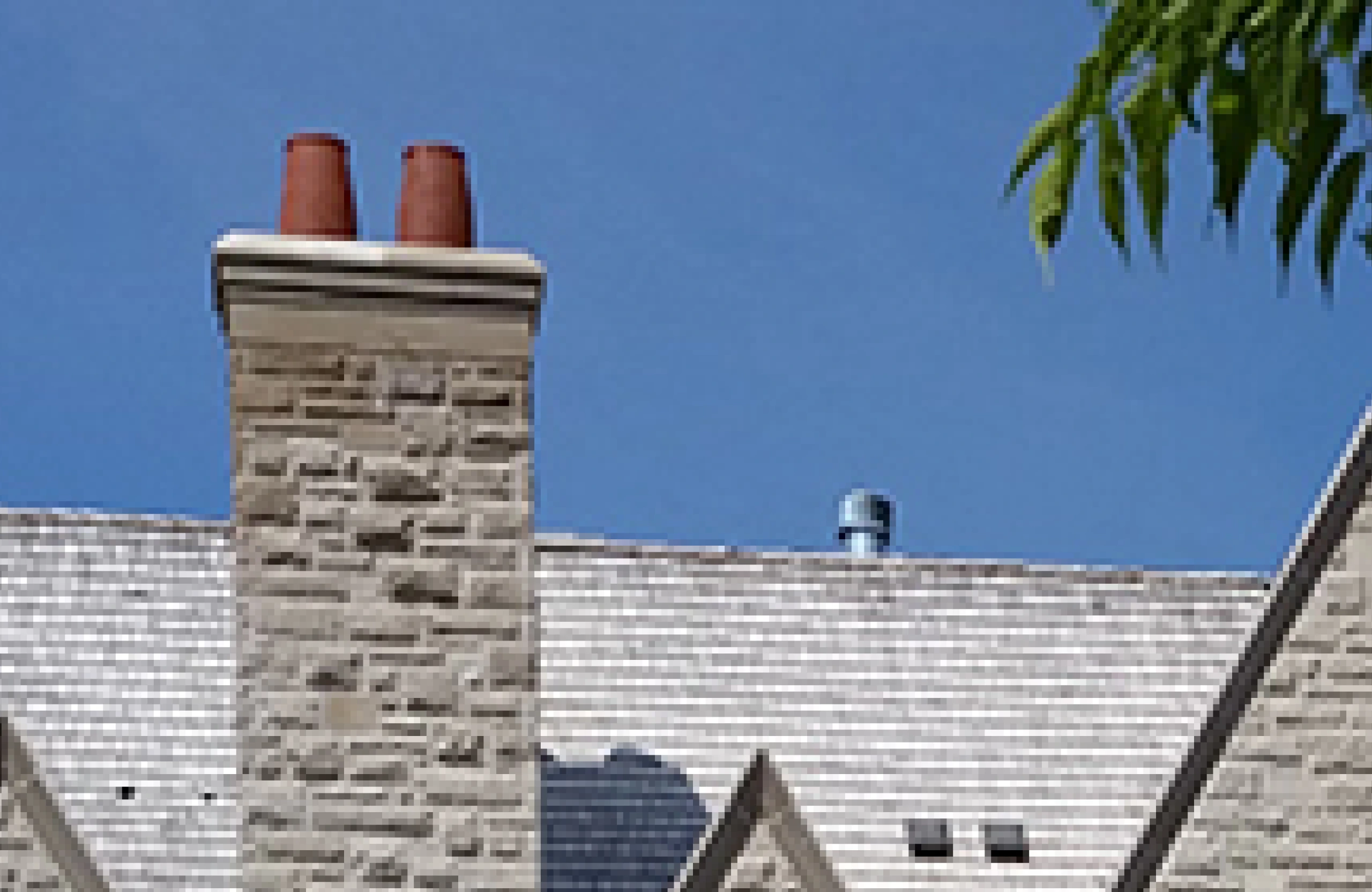
The crown is the concrete or mortar slab that seals the top of the chimney stack around the flue opening. Cracks in the crown are one of the most common entry points for water. The cap sits above the flue opening and prevents rain, birds, and debris from entering directly.
Inspectors check the crown for crazing, full-depth cracks, and signs of delamination. A deteriorating crown that goes unaddressed accelerates damage to the liner, mortar joints, and surrounding brickwork beneath it.
Mortar Joints and Brick Condition
Mortar joints are examined for tuckpointing needs, efflorescence (white mineral deposits caused by water migration), spalling faces, and any displacement. Deteriorating mortar joints account for a significant share of the stone restoration work Stone Haven Developments performs across Southwestern Ontario each season.
Flue Liner
The flue liner channels combustion gases out of the home and protects surrounding masonry from heat and corrosive byproducts. Clay tile liners are common in older Ontario homes and are prone to cracking from thermal shock. Stainless steel liners in newer or retrofitted systems are more durable but require their own inspection for joint integrity and corrosion.
Firebox and Smoke Chamber
The inspector examines the firebox for cracked firebricks, deteriorating refractory mortar, and any signs of smoke backdrafting. The smoke chamber above the damper should be parging smooth, as rough surfaces cause turbulence that reduces draft efficiency.
Flashing and Water Infiltration
Where the chimney meets the roofline, flashing seals the junction against water entry. Inspectors check for lifted, corroded, or improperly lapped flashing that allows water to migrate into the attic or wall cavity. Water staining on interior ceilings near the chimney is often the first sign a homeowner notices.
How Should You Prepare Before the Inspector Arrives?
A small amount of preparation improves inspection accuracy and keeps the appointment efficient.
- Clear the area around the firebox opening of any decorative items, logs, or ash so the inspector has full access to the firebox and damper.
- If you have records of previous inspections, repairs, or the original appliance installation, have them available. Historical context helps the inspector identify patterns.
- Note any symptoms you have observed, such as slow-starting fires, visible smoke in the room, unusual odours, or sounds from the flue during windy conditions. These details narrow down the areas requiring closest attention.
- Make sure the attic hatch is accessible if a Level 2 inspection is scheduled.
What Happens After the Inspection Is Complete?
A professional inspection concludes with a written report summarizing the condition of each component, any findings that require attention, and a recommended timeline for repairs. Ask for photographs of any areas of concern, particularly flue liner images from video scanning.
Findings typically fall into three categories: no action required, monitor at next annual inspection, or repair recommended before next use. If repairs are recommended, Stone Haven Developments provides an assessment of scope so you understand what the brickwork and masonry work involves before committing.
Inspection reports are also valuable documents if you are selling a property or negotiating a purchase. A clean Level 2 report reduces uncertainty for buyers, and a detailed repair scope gives sellers a clear remediation path before listing.
How Often Should a Chimney Be Inspected in Ontario?
The NFPA and CSIA both recommend annual inspections for any chimney that is in regular use. For a wood-burning fireplace used through the heating season, annual inspection before winter is the standard. For gas appliances, annual inspection remains appropriate even though creosote buildup is not a factor, because flue liner integrity and venting efficiency still degrade over time.
Chimneys that have not been used for several years should receive a Level 2 inspection before being returned to service. Extended periods of disuse allow moisture damage to progress undetected, and bird or animal nesting in unused flues is common across the Stratford and Kitchener areas.
Why Work With Stone Haven Developments for Your Chimney Needs?
Stone Haven Developments brings over 17 years of hands-on masonry experience across residential, commercial, and industrial projects throughout Southwestern Ontario. When an inspection identifies problems, you want a team that can move directly from assessment to repair without adding a second contractor to the process. Our chimney repair work covers crown replacement, tuckpointing, liner repair, and full chimney rebuilds.
Matthew Howe and the Stone Haven team operate with a direct communication standard. You receive clear information about what was found, what it means, and what the repair involves. No inflated scopes, no vague timelines. If a repair is not warranted, we say so.
Beyond chimney services, Stone Haven Developments is a full-service general contractor offering project management, new construction, commercial masonry, and professional construction consulting for property owners and project partners across the region.
Our service area covers Stratford, Kitchener, Waterloo, Guelph, Cambridge, London, Hamilton, Burlington, Oakville, and Milton.
Getting Your Chimney Ready for the Season Ahead
A chimney inspection is not a bureaucratic formality. It is a direct investment in the safety and longevity of one of the more complex structural systems in your home. The process is straightforward, the findings are actionable, and addressing minor issues early avoids the cost and disruption of major repairs later.
Stone Haven Developments works with homeowners and property managers across Southwestern Ontario. Whether you need an inspection referral, a repair assessment, or a full chimney rebuild, our team is available to walk you through the scope and timeline.
Book Your Chimney Assessment Today
Stone Haven Developments serves homeowners across Stratford, Kitchener, Waterloo, and Guelph with professional masonry services built on transparency and quality craftsmanship. Call us or request a quote to schedule your chimney assessment before the heating season begins.
Frequently Asked Questions
1. What is a chimney inspection and what does it cover?
A chimney inspection is a structured assessment of your chimney’s exterior masonry, crown, cap, flue liner, firebox, smoke chamber, damper, and flashing. The scope varies by level. Level 1 is a visual review of accessible areas, Level 2 adds camera scanning of the flue, and Level 3 involves invasive access to concealed structural areas when serious hazards are suspected.
2. How long does a chimney inspection take?
A Level 1 inspection typically takes 30 to 45 minutes for a standard residential chimney. A Level 2 inspection that includes video scanning of the flue liner runs approximately 60 to 90 minutes depending on chimney height and accessibility. Level 3 inspections vary significantly in duration based on the scope of access required.
3. How much does a chimney inspection cost in Ontario?
Chimney inspection costs in Ontario vary based on inspection level, chimney height, and the contractor performing the assessment. Level 1 inspections are typically less expensive than Level 2 assessments that require video scanning equipment. A qualified masonry contractor can provide a clear cost breakdown before the appointment. Stone Haven Developments provides transparent assessments with no hidden fees.
4. Do I need a chimney inspection before buying a home in Ontario?
Yes. A Level 2 chimney inspection is strongly recommended for any home purchase where chimney history is unknown. Flue liner cracks, water infiltration, and structural deterioration are not visible from the exterior. A professional assessment before closing gives buyers a clear picture of the chimney’s condition and any costs associated with repairs or restoration.
5. What are the signs that my chimney needs an inspection immediately?
Schedule an inspection promptly if you notice white staining on exterior brickwork, mortar that crumbles when pressed, water staining on interior ceilings near the chimney, visible cracks in the crown or cap, smoke entering the room during a fire, or unusual odours from the fireplace when not in use. Any of these indicate that deterioration has already begun.
6. Can Stone Haven Developments repair issues found during an inspection?
Yes. Stone Haven Developments handles the full scope of masonry repairs identified during an inspection, including crown replacement, tuckpointing, stone reclamation, flashing repair, and full chimney rebuilds. We serve Stratford, Kitchener, Waterloo, Guelph, and surrounding communities across Southwestern Ontario.
Key Takeaways
- There are three inspection levels defined by CSIA and NFPA Standard 211: Level 1 for routine annual checks, Level 2 when circumstances change or a property is being sold, and Level 3 for suspected hazardous conditions.
- A professional chimney inspection covers the crown, cap, mortar joints, flue liner, firebox, smoke chamber, damper, and flashing.
- Annual inspections are recommended for any chimney in regular use. Chimneys returning from extended disuse require a Level 2 assessment before being put back into service.
- Prepare by clearing access to the firebox, gathering past repair records, and noting any symptoms you have observed.
- Stone Haven Developments provides chimney repair and masonry restoration across Southwestern Ontario following inspection findings.