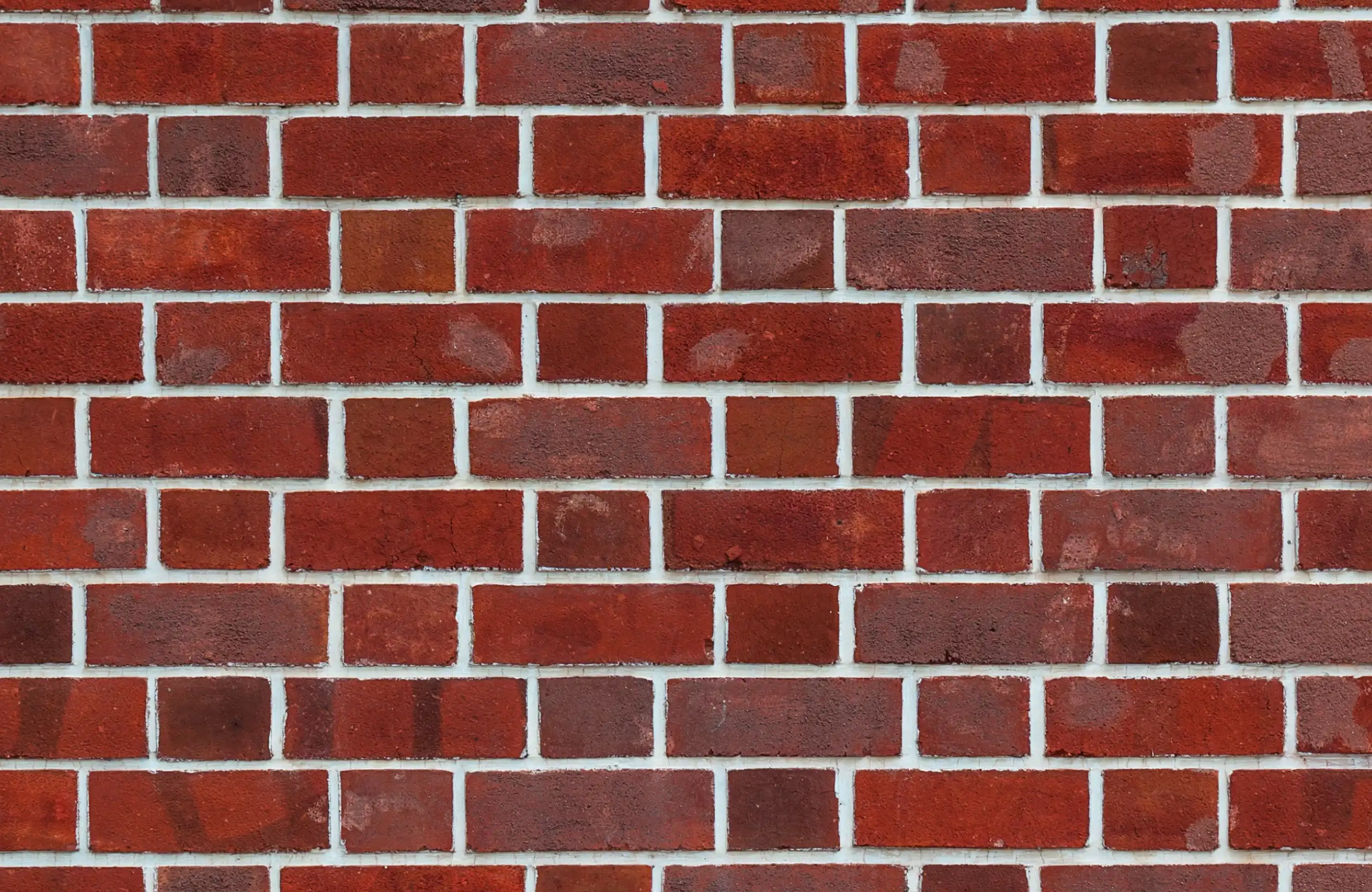
Efflorescence on brick is a white, chalky deposit caused by water moving through masonry and carrying soluble salts to the surface. It can be removed with dry brushing, diluted masonry cleaners, or professional cleaning for severe cases. Fixing the underlying moisture source is the only long-term solution.
That White Staining on Your Brick Wall Is Telling You Something
You step outside and notice a white, powdery film spreading across your brick facade. It was not there last spring. Now it is creeping across the wall in patches, and no amount of regular cleaning seems to make it go away for long.
What you are looking at is efflorescence. It is one of the most common masonry complaints across Ontario, and while it might seem like a surface-level nuisance, it is actually your wall communicating that water is moving through the masonry somewhere it should not be.
This guide covers what efflorescence on brick is, what causes it, how to fix it, and when a masonry professional needs to step in.
What Is Efflorescence on Brick?
Efflorescence is a white or grey crystalline deposit that forms on the surface of brick, concrete block, or stone when water migrates through the masonry and evaporates. As the water moves outward, it dissolves naturally occurring salts inside the wall and carries them to the surface. When the water evaporates, the salts are left behind as a visible deposit.
The condition is extremely common in Ontario, particularly after wet seasons, spring thaws, or in areas with inadequate drainage near the foundation. According to the Brick Industry Association, efflorescence is a reliable indicator of moisture presence in the masonry assembly and should be investigated to identify the source.
What Causes Efflorescence on Brick?
Several conditions can trigger or worsen efflorescence:
- Failed or deteriorated mortar joints: When mortar cracks or recedes, water penetrates the wall more easily. This is the most common cause in older Ontario homes.
- Poor drainage at the foundation: Water pooling near the base of a brick wall creates a constant source of moisture that wicks upward through the masonry.
- Inadequate flashing or caulking: Missing or damaged flashing at window sills, parapets, or roof junctions allows water to enter the wall assembly from the top.
- High water table or soil moisture: Properties in lower-lying areas or near water sources may experience ongoing upward moisture migration through the foundation.
- New construction: Newly laid masonry naturally contains higher moisture content and may show temporary efflorescence that diminishes as the wall dries and cures.
Is Efflorescence Harmful to Your Brick?
Efflorescence itself does not damage brick. The deposits are superficial and can be removed without harming the masonry surface.
The real concern is the moisture causing the efflorescence. Ongoing water infiltration through failed mortar joints or poor drainage will eventually lead to more serious problems: spalling brick faces, structural deterioration, and interior moisture damage. Efflorescence is a symptom; the moisture source is the problem that needs to be fixed.
How to Fix Efflorescence on Brick: Step-by-Step
Step 1: Let the Wall Dry
Before attempting any cleaning, allow the affected area to dry completely. Scrubbing wet efflorescence tends to smear the deposits rather than remove them. Dry conditions make removal significantly more effective.
Step 2: Dry Brush the Surface
Use a stiff natural-bristle brush to remove loose deposits. Work in circular motions across the affected area. Avoid wire brushes, which can scratch brick faces and leave behind metal particles that rust and stain. For minor or early-stage efflorescence, dry brushing is often sufficient.
Step 3: Apply a Masonry Cleaner
For more persistent deposits, a diluted masonry cleaner or white vinegar solution can dissolve the salt crystals. Apply the solution to the dry surface, allow it to dwell for several minutes, then scrub and rinse thoroughly with clean water. The Canada Mortgage and Housing Corporation recommends testing any cleaning solution on a small, inconspicuous area first to confirm it does not affect the brick colour or surface.
Step 4: Rinse Completely
Residual cleaning solution left on the brick surface can cause secondary staining or accelerate further salt migration. Rinse the cleaned area thoroughly with clean water and allow it to dry fully before assessing results.
Step 5: Address the Moisture Source
Cleaning the surface only removes the visible symptom. To prevent efflorescence from returning, the moisture pathway must be identified and corrected. This typically involves repointing deteriorated mortar joints, improving drainage around the foundation, repairing or installing proper flashing, or applying a breathable masonry sealer to reduce water absorption.
When Efflorescence Requires Professional Attention
Not every efflorescence situation is straightforward. Professional masonry assessment is warranted when:
- The staining is widespread across a large section of wall
- Efflorescence keeps returning within weeks of cleaning
- You notice cracking, spalling, or loose bricks alongside the staining
- The affected area is on a chimney, parapet, or wall above the ground floor
- Interior moisture or damp patches are present on walls adjacent to the affected brick
Our masonry and general contracting team can assess the root cause and recommend the right correction.
What Stone Haven Development Does About Efflorescence
Stone Haven Development has worked on brick walls across Southwestern Ontario long enough to know that efflorescence is rarely just a cleaning problem. Our assessment process goes beyond the surface to identify where moisture is entering the wall and what structural condition is enabling it.
We handle the full remediation scope: repointing and tuckpointing to seal failing joints, brick and stone restoration where spalling has occurred, and drainage recommendations where site conditions are contributing to the problem.
We serve residential, commercial, and industrial properties across Stratford, Kitchener, Waterloo, Guelph, Hamilton, Cambridge, London, and surrounding areas. Contact our team for an honest on-site assessment.
You can also browse our completed masonry projects to see the quality of work we deliver across the region.
Frequently Asked Questions
1. Is efflorescence on brick dangerous?
Efflorescence deposits are not structurally dangerous on their own. They are water-soluble salt crystals and do not damage the brick surface. The underlying moisture infiltration causing the efflorescence is the real concern, as it can lead to spalling, mortar deterioration, and structural damage if not addressed.
2. Will efflorescence go away on its own?
In some cases, particularly on new construction, efflorescence may diminish naturally as the wall dries and the initial moisture content reduces. On older properties with ongoing moisture infiltration, it will not resolve without addressing the source.
3. Can I use muriatic acid to remove efflorescence?
Muriatic acid is effective but should be used with extreme caution on older or heritage brick, as it can permanently damage softer brick materials. A diluted masonry cleaner or white vinegar solution is a safer starting point. If acid cleaning is necessary, always consult a professional. The Ontario Ministry of Labour has safety requirements for working with hazardous chemicals on a worksite.
4. How do I prevent efflorescence from coming back?
The most effective prevention is eliminating the moisture source. This usually means repointing failing mortar joints, correcting drainage around the foundation, and repairing or installing flashing at vulnerable points on the wall. A breathable masonry sealer can also reduce water absorption in high-exposure areas.
5. Does efflorescence mean my foundation is leaking?
Efflorescence near the base of a wall or on a foundation can indicate moisture migration from soil contact or a high water table. It does not always mean the foundation itself is structurally compromised, but it does warrant professional investigation to rule out more serious water infiltration issues.
Take the Staining Seriously Before It Becomes Structural
Efflorescence is easy to ignore because it looks like a cosmetic issue. But it is your masonry telling you that water is moving through the wall. Address the source now and the fix is manageable. Wait until spalling and deterioration set in and the cost climbs sharply. Contact Stone Haven Development for a professional masonry assessment across Southwestern Ontario.
Key Takeaways
- Efflorescence is a crystalline salt deposit left behind on the surface of masonry after water penetrates the wall and subsequently evaporates.
- While the white staining itself is harmless to the brick, it indicates underlying moisture issues such as failed mortar joints, poor drainage, or inadequate flashing.
- Initial removal should be attempted by dry brushing with a stiff natural-bristle brush, as using water or wet scrubbing can often smear the salt deposits further.
- Cleaning is only a temporary fix unless the root cause of the moisture is addressed through professional repointing or improving the building’s drainage systems.
- For persistent cases, a diluted masonry cleaner or white vinegar solution can be used, but it must be tested on a small area first to ensure it does not discolor the heritage brick.