How long does masonry last depends on the material, installation quality, maintenance history, and Ontario’s demanding freeze-thaw climate. Brick masonry can last 100–500 years, natural stone can exceed several centuries, while mortar joints typically need attention within 20–30 years. Stone Haven Developments helps Ontario property owners protect their masonry investment with proactive maintenance and expert repair across Southwestern Ontario.
Understanding Masonry Durability in Ontario
Whether you are planning a new build, evaluating a property you already own, or weighing the cost of restoration against replacement, understanding how long does masonry last is one of the most practical questions you can ask. Masonry has a well-earned reputation for durability such as brick walls, stone facades, and concrete block structures across Southwestern Ontario have been standing for generations.
But masonry durability in Ontario is not automatic. Longevity depends on the quality of the original installation, the materials selected, how well the structure has been maintained, and how well it manages Ontario’s freeze-thaw cycles. Masonry lifespan in Ontario varies significantly between a well-maintained property and one that has been ignored for years.
Stone Haven Developments has been assessing, repairing, and restoring masonry across Southwestern Ontario for 17 years. Explore our brickwork and masonry services or stone restoration and reclamation work to see how we protect masonry investments across the region.
Masonry Lifespan by Material
Brick Masonry
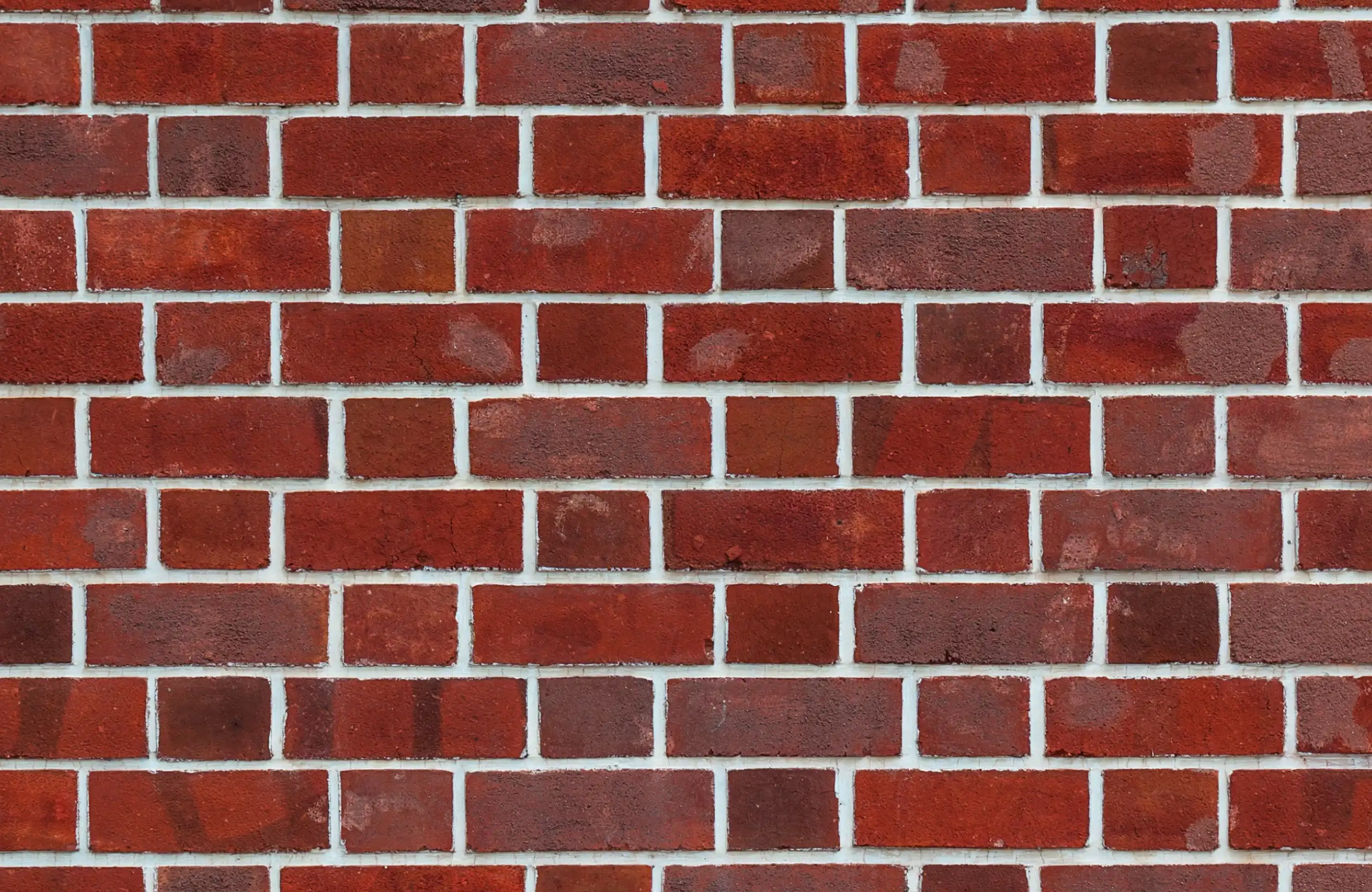
So how long does masonry last when it comes to brick? A properly installed brick wall or facade, built with quality materials and sound mortar, can last anywhere from 100 to 500 years. Historic brick structures across Ontario and throughout Europe have surpassed that range entirely. The brick unit itself rarely fails first as mortar joints are typically the first point of deterioration, with standard mortar beginning to show wear between 20 and 30 years under normal exposure conditions.
Maintaining strong masonry lifespan in Ontario means watching mortar joints closely and repointing proactively. Stone Haven’s brickwork and masonry services include repointing and brick repair to extend the serviceable life of brick structures.
Stone Masonry
Natural stone is among the longest-lasting masonry materials in existence. Properly laid stone structures can remain structurally sound for several hundred years with minimal intervention. Heritage stone buildings across Southwestern Ontario that have been maintained with proper repointing and drainage management continue to perform structurally after more than a century of service. This superior masonry durability in Ontario makes stone an excellent long-term investment.
For properties with existing stone masonry, Stone Haven’s stone restoration and reclamation services provide the specialized expertise needed to preserve and extend the lifespan of natural stone structures.
Concrete Block Masonry (CMU)
Concrete blocks carry an expected lifespan of 75 to 100 years under standard conditions. CMU is highly resistant to fire and compressive loads, making it a practical material for large-scale structural applications. Masonry durability in Ontario for CMU depends heavily on waterproofing and joint maintenance as the block is more porous than brick or stone, requiring deliberate moisture management.
For commercial and industrial CMU projects, Stone Haven’s commercial masonry services cover both new CMU construction and maintenance of existing block structures.
Mortar Joints
Regardless of the masonry material, mortar joints are the most maintenance-sensitive component of any masonry assembly. Standard cement-based mortar typically requires attention within 20 to 30 years. In Ontario, where freeze-thaw cycles place repeated stress on exterior joints, this timeline can be accelerated if proper mortar selection and installation were not prioritized from the start. Mortar maintenance is the single most impactful factor in how long does masonry last on any given property.
What Affects Masonry Lifespan in Ontario
Freeze-Thaw Cycles
Water that penetrates masonry through cracked joints or improper drainage expands when it freezes, creating internal pressure that fractures brick faces. In Ontario, a single winter can subject exterior masonry to dozens of freeze-thaw cycles. Because of these cycles, how long does masonry last is often determined by how well moisture is kept out of the wall system.
The Ontario Building Code sets minimum standards for masonry construction in Ontario’s climate, but proper craftsmanship and material selection go beyond code minimums to truly maximize masonry durability in Ontario.
Mortar Compatibility
Mortar that is harder than the masonry units it bonds will direct stress into the brick or stone rather than the joint, causing spalling and cracking that is significantly more difficult and expensive to repair than simple repointing. This is a common mistake during restoration work when contractors use modern high-strength mortars on heritage brick walls originally built with softer lime-based formulations.
For heritage properties, consult resources like Historic Places Canada for guidance on heritage masonry preservation standards. Stone Haven’s team is experienced in matching historic mortar formulations to protect masonry lifespan in Ontario heritage buildings.
Installation Quality
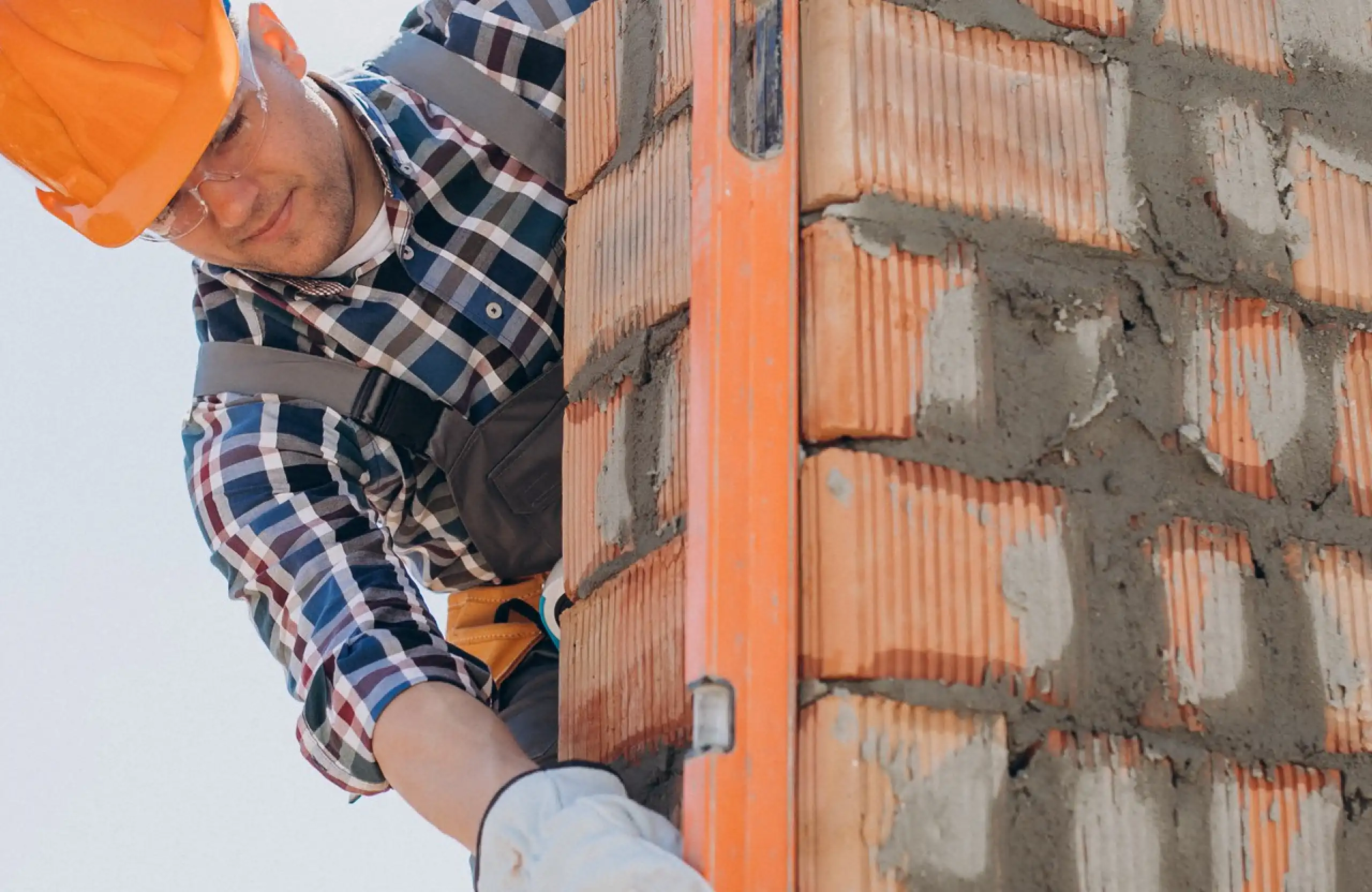
Masonry that was not installed correctly from the start will not perform to its potential lifespan regardless of how well it is maintained afterward. Poorly filled joints, incorrect coursing, inadequate wall ties on veneer systems, and improper drainage detailing all shorten the serviceable life of a masonry assembly. This is why Stone Haven’s commitment to craftsmanship at the installation stage is the most effective long-term investment a property owner can make.
Maintenance History
Masonry that has been proactively maintained consistently outlasts masonry that has been ignored until visible problems appear. Regular visual inspections and timely repointing are the most cost-effective tools a property owner has for extending masonry lifespan. NRC Canada’s construction standards and Masonry Canada’s technical resources both emphasize proactive maintenance as a core principle of masonry durability in Ontario.
Warning Signs Your Masonry Needs Attention
Contact Stone Haven Developments for a masonry assessment if you notice any of the following:
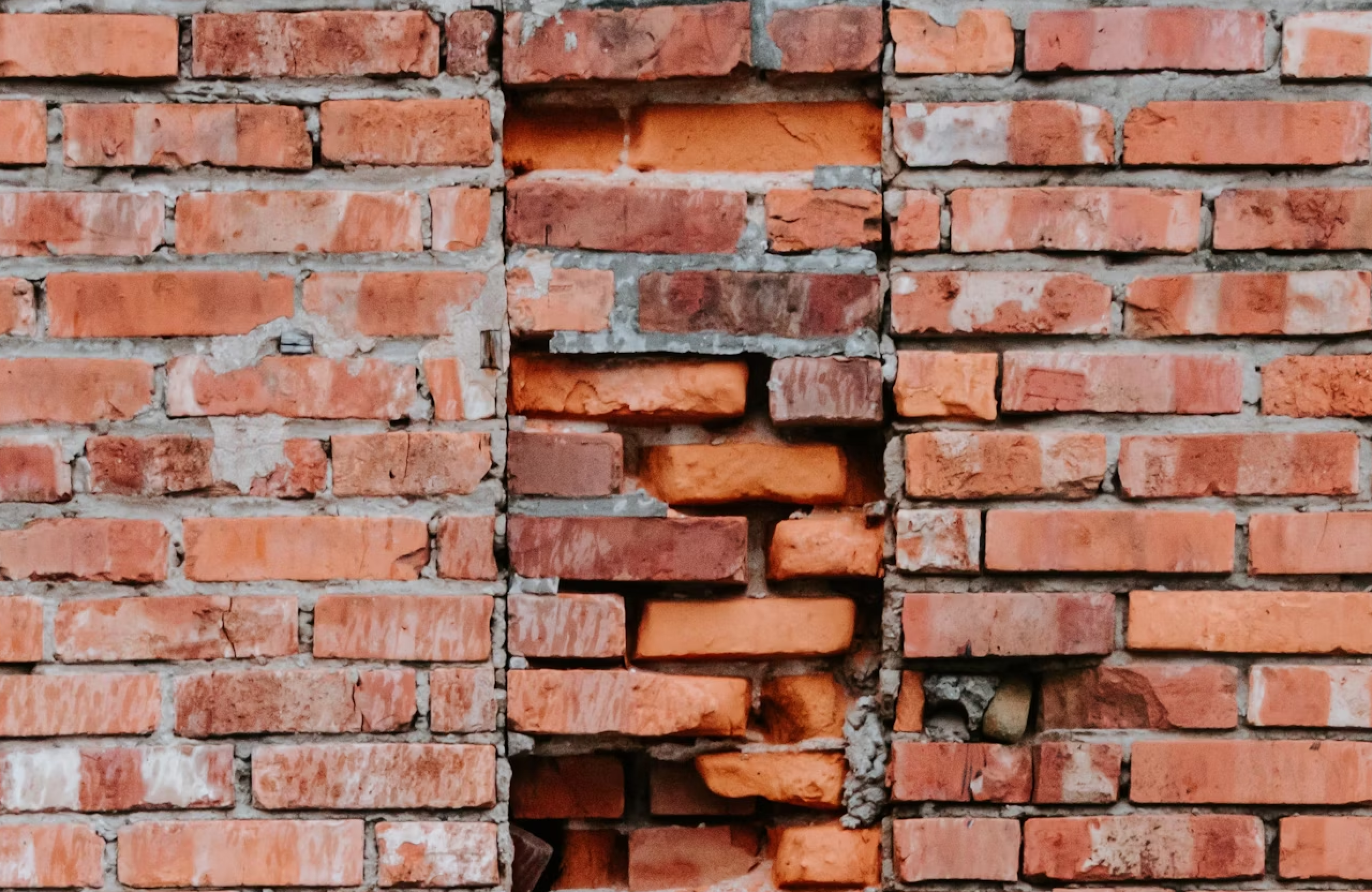
- Mortar joints that are recessed, crumbling, or missing material and repointing is overdue
- Efflorescence (white salt deposits) signals water moving through the masonry assembly
- Spalling brick faces freeze-thaw damage causing surface layer separation
- Diagonal cracks near openings or horizontal cracks in block walls may signal structural movement
- Water staining on interior walls adjacent to exterior masonry
Stone Haven’s chimney repair services address one of the most common masonry lifespan concerns as chimney deterioration caused by concentrated weather exposure at the top of the structure.
Protecting Your Masonry Investment with Stone Haven
How long does masonry last is not just a question of material, it is a question of how well the masonry was installed and how consistently it has been maintained. Stone Haven Developments helps property owners across Southwestern Ontario maximize masonry durability in Ontario through expert assessment, quality repairs, and proactive maintenance strategies.
Whether you need routine repointing, targeted brick or stone repair, or a full structural masonry assessment, Stone Haven provides transparent guidance and craftsmanship built to last. View our project gallery to see completed masonry work across the region, or contact Stone Haven to schedule a masonry assessment.
Frequently Asked Questions
1. How long does brick masonry last?
A properly installed brick wall or facade built with quality materials and sound mortar can last anywhere from 100 to 500 years. The brick unit itself rarely fails first as mortar joints typically require attention within 20 to 30 years. Regular repointing as joints deteriorate is the primary maintenance action that extends overall brick masonry lifespan. Stone Haven Developments provides professional repointing services across Southwestern Ontario.
2. What shortens masonry lifespan the most in Ontario?
The most significant factors shortening masonry lifespan in Ontario are freeze-thaw cycling with inadequate moisture management, mortar that is harder than the masonry units it bonds, poor original installation quality, and lack of proactive maintenance. Allowing mortar joint deterioration to progress unaddressed is the most common and costly mistake Ontario property owners make.
3. How often should masonry be inspected and maintained?
A visual inspection of exterior masonry every three to five years is a reasonable proactive interval for most properties. Pay attention to mortar joint condition, caulking at penetrations, flashings above openings, and signs of efflorescence or moisture staining. Stone Haven recommends contacting a professional as soon as any of these warning signs appear as catching joint deterioration early costs a fraction of structural repairs.
4. When should masonry be replaced rather than repaired?
When deterioration has progressed to the point where the masonry units themselves, the brick, stone, or block are structurally compromised, replacement of affected sections is typically more effective than surface repair. A qualified masonry contractor can assess the extent of deterioration and recommend whether targeted repair, partial replacement, or full rebuilding is appropriate. Stone Haven Developments provides honest, site-specific assessments.
5. Do freeze-thaw cycles in Ontario significantly shorten masonry lifespan?
Yes. Ontario’s freeze-thaw climate is one of the most demanding environments for exterior masonry in Canada. Water that enters through failing joints or inadequate drainage expands by approximately nine percent when it freezes, generating internal pressure that fractures masonry from within. A single winter can subject exterior masonry to dozens of these cycles. Proper mortar maintenance and moisture management are the most effective tools for managing masonry durability in Ontario.
Schedule Your Masonry Assessment with Stone Haven
If you want an honest assessment of how your masonry is performing and what steps make sense to protect its lifespan, Stone Haven Developments is ready to help. We serve property owners across Southwestern Ontario with the expertise and transparency that long-term relationships are built on.
- Call: (519) 807-7529
- Email: info@stonehavendevelopments.com
- Request a free estimate: stonehavendevelopments.com/contact
Serving Stratford, Kitchener, Waterloo, Guelph, Cambridge, Hamilton, London, Burlington, Oakville, Milton, and surrounding Southwestern Ontario communities.
Key Takeaways
- How long does masonry last depends on material, installation quality, maintenance, and Ontario’s freeze-thaw climate.
- Brick masonry can last 100–500 years; natural stone can last several centuries; CMU carries a 75–100 year lifespan under standard conditions.
- Mortar joints are the most maintenance-sensitive component as they typically require attention within 20–30 years.
- Freeze-thaw cycles are the single greatest threat to masonry durability in Ontario therefore, moisture management is the key defense.
- Mortar compatibility with the masonry units is critical; using modern high-strength mortar on heritage brick causes long-term damage.
- Proactive maintenance and timely repointing are the most cost-effective tools for extending masonry lifespan in Ontario.
- Stone Haven Developments provides masonry assessments, repairs, and restoration across Southwestern Ontario just call (519) 807-7529.