This masonry materials guide covers the primary materials used in Ontario construction such as brick, natural stone, concrete block (CMU), manufactured stone veneer, and mortar and what each one demands in terms of installation, maintenance, and climate performance. Choosing the right masonry materials in Ontario requires understanding how each material behaves in freeze-thaw conditions and matching that to your project’s structural and aesthetic goals. Stone Haven Developments provides expert masonry materials guidance for every project across Southwestern Ontario.
Why a Masonry Materials Guide Matters for Ontario Property Owners
Every masonry project begins with a material decision. Whether you are building new, restoring an existing structure, or planning an addition, the material you select shapes everything that follows: structural performance, maintenance requirements, finished appearance, and long-term cost. This masonry materials guide is designed to help you navigate those choices.
Southwestern Ontario presents specific demands on exterior masonry. Freeze-thaw cycles, sustained winter moisture, and significant seasonal temperature variation mean that not every material that performs well in other climates performs equally well here. Understanding the performance of various masonry materials in Ontario is crucial for any lasting build.
Stone Haven Developments has been working with masonry materials across residential, commercial, and industrial projects in Southwestern Ontario for 17 years. Our experience allows us to provide a practical brick stone block comparison in Ontario for local property owners.
The Primary Masonry Materials in Ontario
Brick
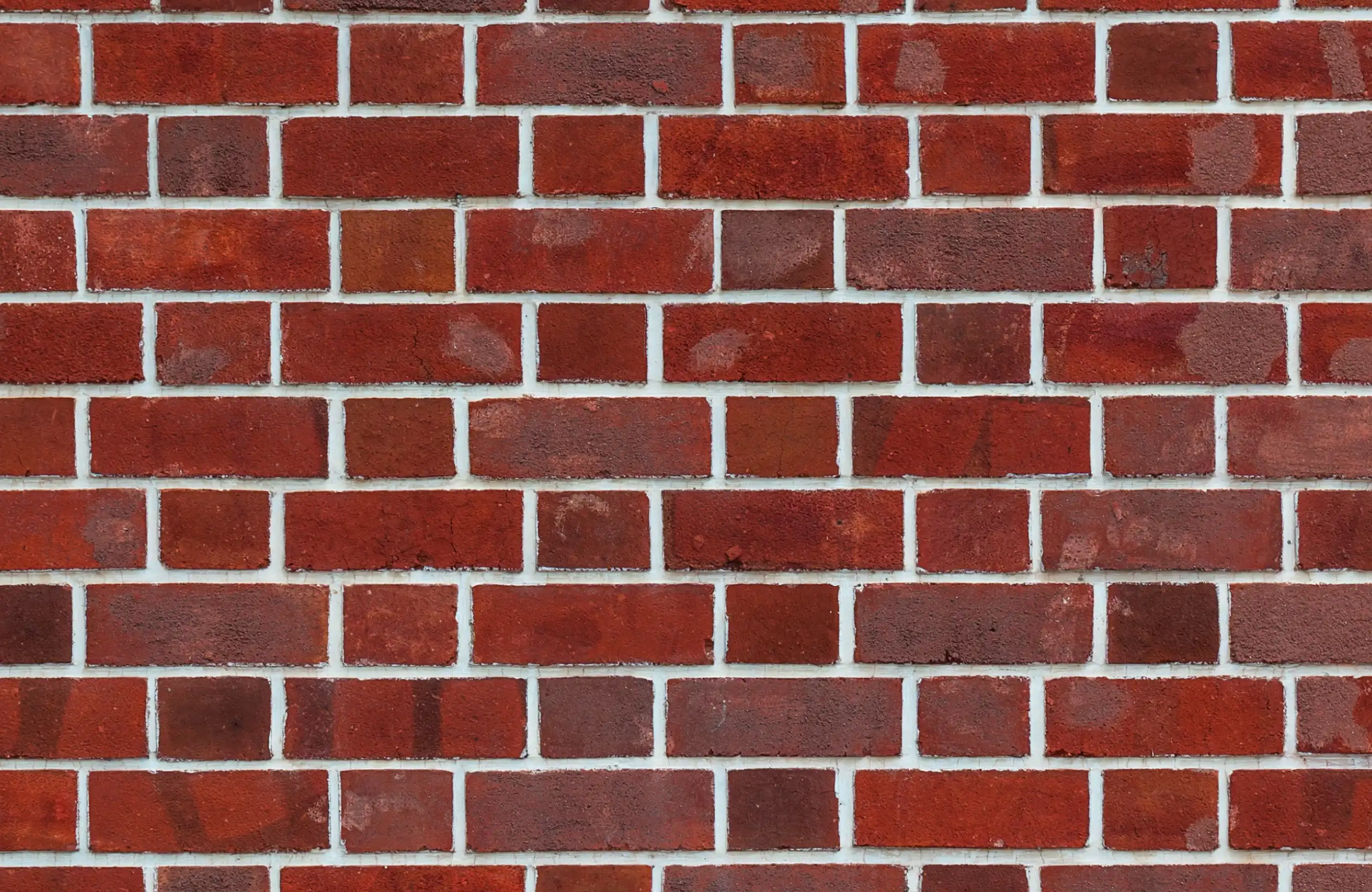
Brick is the most widely recognized masonry material across Ontario’s residential and commercial built environment. Clay brick is the most common type which is produced by firing shaped clay at high temperature, producing a dense, weather-resistant unit. This masonry materials guide highlights that clay brick holds up well under Ontario’s freeze-thaw conditions when properly specified. From a durability standpoint, properly installed brick facades have service lives measured in generations.
Stone
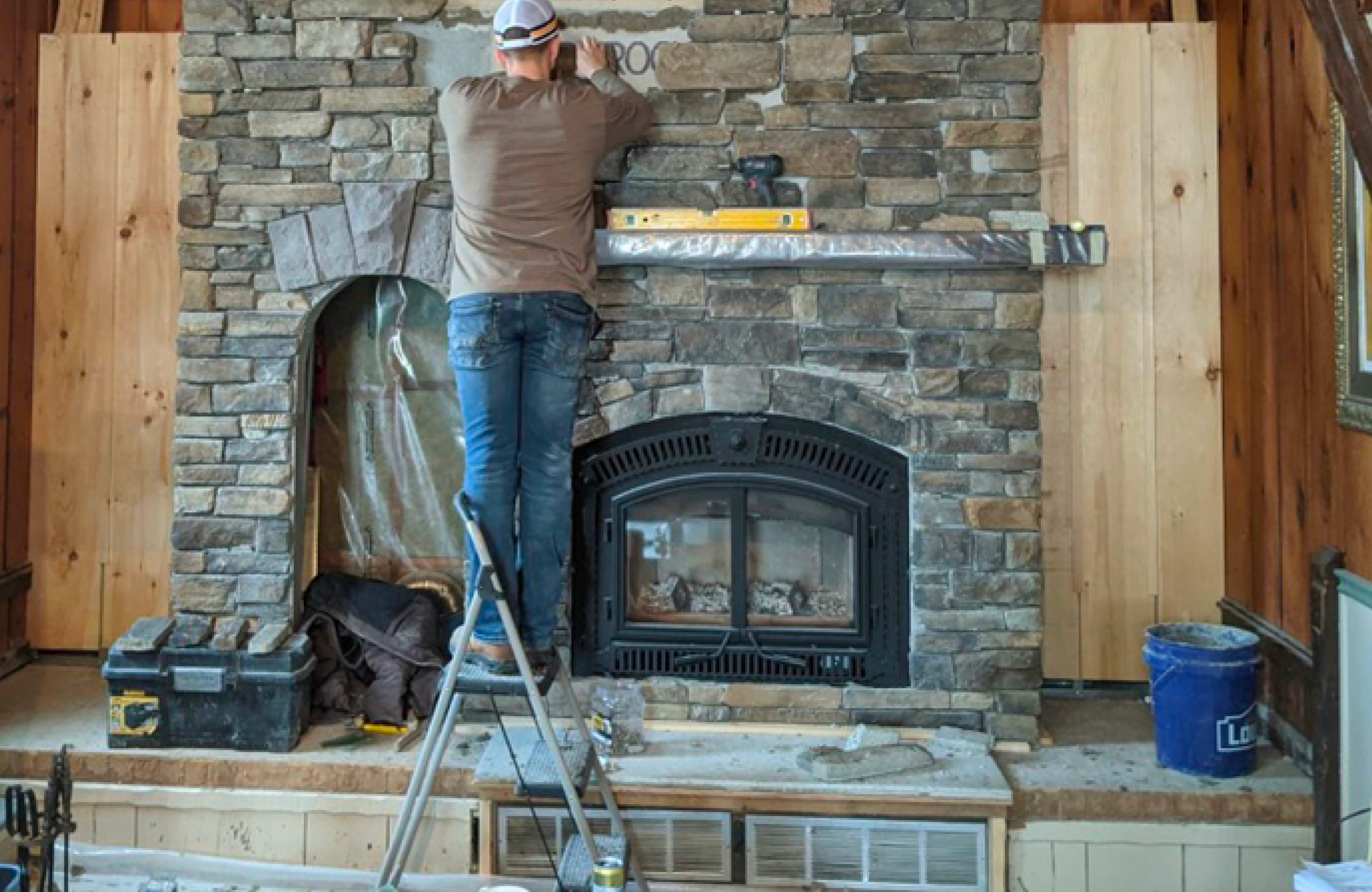
Stone masonry uses natural stone, which is either cut or uncut as the primary building unit. It is broadly divided into rubble masonry and ashlar masonry. For property owners seeking a premium finish, stone remains a top choice among masonry materials in Ontario. Natural stone carries significant weight, which influences structural design decisions, but offers unmatched permanence.
Concrete Block (CMU)
Concrete masonry units (CMU) are manufactured blocks made from portland cement and aggregate. They are larger than standard bricks, allowing for faster construction. As part of a brick stone block comparison in Ontario, CMU stands out for its structural reliability in foundations and industrial structures where cost-effectiveness and load requirements are the priority.
Manufactured Stone Veneer
Manufactured stone veneer is a non-structural cast concrete product designed to simulate the appearance of natural stone. While it carries lower costs, its performance regarding masonry materials in Ontario depends heavily on correct installation details such as lath, scratch coat, flashing, and drainage.
Mortar
Mortar is the binding material that holds masonry units together. As noted in this masonry materials guide, mortar strength and flexibility must be matched to the specific masonry material and site conditions to prevent premature cracking.
Brick Stone Block Comparison in Ontario
When conducting a brick stone block comparison in Ontario, the choice comes down to the purpose of the structure, the visual quality required, the budget, and site conditions.
Here is how the three primary masonry materials in Ontario compare at a high level:
- Brick: Best for residential exteriors, commercial facades, chimney systems, and restoration projects where both appearance and performance matter. Strong in Ontario’s freeze-thaw climate when correctly specified.
- Natural Stone: Best for premium residential applications, heritage restoration, retaining walls, and high-impact architectural features. The most durable of all masonry materials in Ontario over the long term.
- Concrete Block (CMU): Best for commercial and industrial structural walls, below-grade applications, and as the structural core of composite wall systems. Most cost-efficient masonry material in Ontario for large-scale structural builds.
Choosing the Right Masonry Materials for Ontario’s Climate
The primary performance requirement for any masonry material in Ontario is the ability to withstand repeated freeze-thaw cycling. Brick must be specified to the appropriate exposure grade. Stone must be selected for density as softer porous stones absorb more water and are more vulnerable to freeze-thaw damage. CMU requires proper waterproofing, particularly in below-grade applications.
Frequently Asked Questions
1. What are the main types of masonry materials?
The primary masonry materials used in Ontario construction are clay brick, natural stone (limestone, granite, sandstone, fieldstone), concrete masonry units (CMU or concrete block), manufactured stone veneer, and mortar. Each carries different structural characteristics, aesthetic qualities, maintenance requirements, and cost profiles.
2. Which masonry material is best for Ontario’s freeze-thaw climate?
Properly graded clay brick and dense natural stone such as granite are among the best performers in Ontario’s freeze-thaw climate. Both resist moisture absorption effectively and have centuries-long track records in Canadian conditions. CMU performs well structurally but requires more attention to waterproofing. Manufactured stone veneer can perform reliably when installed correctly but is more vulnerable to moisture-related failure if installation details are not executed properly.
3. What is the most durable masonry material?
Natural stone, particularly dense types such as granite and quartzite is the most durable masonry material in terms of raw material lifespan. Properly laid granite and limestone structures in Ontario have remained structurally sound for over a century. Brick follows closely, with service lives measured in generations when properly installed and maintained.
4. How do I choose between brick, stone, and concrete block for my project?
The right choice depends on the purpose of the structure, the visual quality required, the budget, and the site conditions. Brick suits residential exteriors, commercial facades, and chimney systems where both appearance and performance matter. Stone suits premium residential applications, heritage restoration, and high-impact landscape features. CMU suits commercial and industrial structural walls where efficiency at scale is the priority.
5. What mortar should be used with heritage bricks in Ontario?
Heritage brick in Ontario was typically laid with soft, lime-based mortars. Repointing or restoring heritage brick with modern high-strength portland cement mortars is one of the most damaging mistakes in masonry restoration because the harder mortar directs freeze-thaw stress into the brick units, causing spalling and cracking. Stone Haven specifies lime-based or lime-and-cement mortars for heritage applications based on the original construction.
Get Started with Stone Haven Today
Choosing the right masonry material is the foundation of a project that performs well for the long term. Contact Stone Haven Developments for an honest, site-assessed masonry materials recommendation across Southwestern Ontario.
- Call: (519) 807-7529
- Email: info@stonehavendevelopments.com
- Free estimate: stonehavendevelopments.com/contact
Serving Stratford, Kitchener, Waterloo, Guelph, Cambridge, Hamilton, London, Burlington, Oakville, and Milton.
Key Takeaways
- This masonry materials guide covers the five primary masonry materials in Ontario: brick, natural stone, CMU, manufactured stone veneer, and mortar.
- Choosing the right masonry materials in Ontario requires matching material to structural requirements, aesthetic goals, climate exposure, and budget.
- In a brick stone block comparison in Ontario: brick excels for facades and chimney systems; stone for premium and heritage applications; CMU for structural commercial builds.
- Ontario’s freeze-thaw climate demands proper material specification as brick must be correctly graded, stone selected for density, and CMU properly waterproofed.
- Mortar compatibility is as critical as material choice because using hard Portland cement mortar on heritage brick causes long-term damage.
- Stone Haven Developments works with the full range of masonry materials in Ontario and provides honest, site-specific guidance on material selection for every project.
- Contact Stone Haven at (519) 807-7529 or visit stonehavendevelopments.com to discuss masonry materials for your Southwestern Ontario project.