Masonry is the broader trade covering brick, stone, concrete block, composite construction and concrete block (CMU) is one material type within that trade. When comparing masonry vs concrete blocks, the real distinction is between traditional brick or stone masonry valued for aesthetics and heritage, and CMU construction valued for structural efficiency at scale. Stone Haven Developments helps Ontario property owners choose the right material for every application across Southwestern Ontario.
Why Masonry vs Concrete Blocks Matters for Your Project
When Ontario property owners start planning a construction project, one of the earliest and most consequential decisions involves material selection. The comparison between masonry vs concrete blocks comes up regularly on residential, commercial, and industrial projects alike and it deserves a clear, honest answer rather than a generic recommendation.
Stone Haven Developments has delivered masonry and concrete block work across Southwestern Ontario for 17 years. Explore our brickwork and masonry services and commercial masonry capabilities to understand the full scope of what we deliver across both material types.
Understanding the Terms
What Is Masonry?
Masonry is the broader construction trade encompassing buildings with individual units such as brick, stone, concrete block, or other similar materials bound together with mortar. When most property owners refer to masonry in a general sense, they are often thinking of brick or stone specifically. However, a professional evaluation of masonry vs concrete blocks shows that both fall under the masonry umbrella.
For a comprehensive breakdown of all material types within the masonry trade, see Stone Haven’s full masonry services overview, which covers everything from stone reclamation to commercial block construction.
What Is a Concrete Block (CMU)?
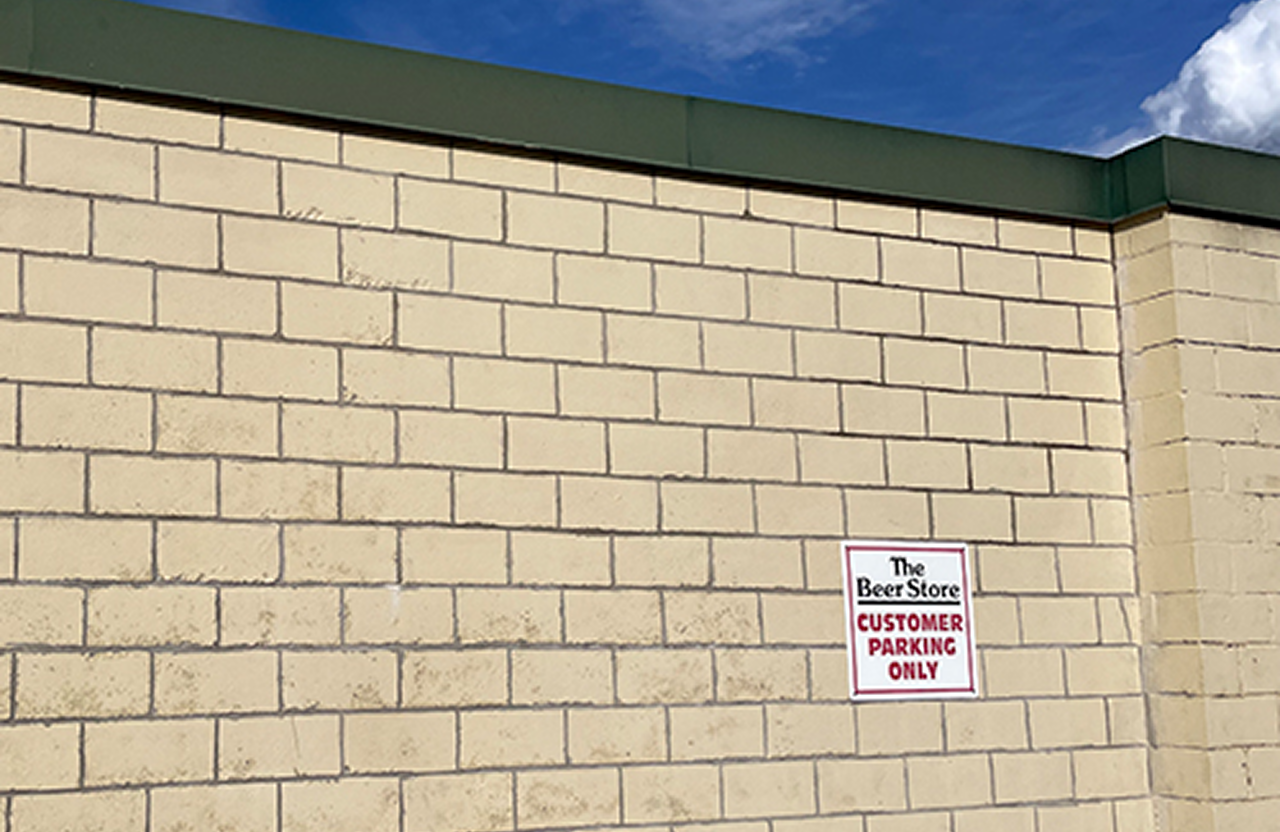
Concrete blocks are formally referred to as Concrete Masonry Units or CMU, a one specific material type within the masonry trade. Concrete blocks are precast units made from portland cement, aggregate, and water. When comparing CMU vs brick in Ontario, it is important to note that blocks are manufactured in standard sizes, making them efficient to install at scale.
Concrete block is masonry, the distinction in the masonry vs concrete blocks conversation is typically between traditional brick or stone on one side and CMU construction on the other, and the choice between them is driven by structural requirements, cost, and aesthetic goals.
Masonry vs Concrete Blocks: Key Differences
Appearance and Finish
Brick and stone masonry produce finished exteriors widely regarded as premium in both residential and commercial contexts. The natural variation in brick colour and texture and the character of cut or natural stone are difficult to replicate with concrete blocks. Concrete block in its standard form is utilitarian and not typically selected for its aesthetic qualities. In applications where CMU forms the structural core, it is almost always finished externally with brick veneer, stone, or stucco.
For premium stone finishes, Stone Haven’s stone restoration and reclamation services deliver the masonry craftsmanship that CMU alone cannot match.
Structural Performance
Reinforced CMU construction carries substantially higher structural loads than standard brick or stone veneer construction. In the masonry vs concrete blocks comparison for structural applications, concrete block walls reinforced with steel rebar and grouted solid can achieve compressive and flexural strength well beyond what standard brick construction provides. This is why concrete block masonry in Ontario is the dominant structural choice in commercial and industrial sectors.
The Ontario Building Code governs minimum requirements for reinforced CMU construction. Stone Haven’s commercial masonry team ensures all block construction meets and exceeds those standards.
Cost and Speed
Concrete block is more cost-efficient per square foot of wall area than brick or stone. Brick and stone carry higher labour costs, reflecting greater unit count and the skill demands of detailing. If you are weighing masonry vs concrete blocks based on budget for a large warehouse or foundation, block is almost always the winner.
For new construction projects where both structural efficiency and finished appearance matter, Stone Haven’s new construction masonry services deliver the right combination of materials for the application.
Moisture Management
Both brick and concrete blocks require deliberate moisture management in Ontario’s climate. Brick’s primary requirement is sound mortar joints and proper drainage detailing. Concrete block is more porous than brick and requires more attention to waterproofing as below-grade CMU walls need waterproofing membrane or crystalline treatment to resist hydrostatic pressure. NRC Canada’s construction guidance provides technical standards for masonry moisture management relevant to both material types.
When to Choose Each Approach
Choose brick or stone masonry when:
- Finished appearance and long-term property value are priorities
- The project involves a residential exterior, commercial facade, or heritage restoration
- Chimney systems, garden walls, or feature architectural elements are required
- The masonry will be visible as the finished surface
Choose concrete block masonry in Ontario when:
- The project is commercial or industrial with large-scale structural wall requirements
- Below-grade applications require fire resistance and compressive load capacity
- CMU will serve as structural backing for a brick or stone veneer system
- Cost efficiency at scale is a primary project driver
For complex projects combining both material types, Stone Haven’s professional construction consulting and project management services ensure the right material is specified and executed correctly for every element of the build.
External Resources on Masonry Materials
These industry and regulatory resources provide useful technical context on masonry vs concrete blocks:
- Masonry Canada: The national hub for Canadian masonry contractors and professionals, providing industry-wide standards and technical support.
- Ontario Building Code: The official Government of Ontario portal for building regulations, including updates on the 2024 Code Compendium.
- Natural Resources Canada Energy Efficiency: The federal gateway for energy efficiency standards, providing data on thermal performance and sustainable building practices.
Stone Haven: Your Guide for Masonry vs Concrete Blocks in Ontario
The masonry vs concrete blocks decision is not about choosing the more impressive-sounding material, it is about choosing the right material for the structural, aesthetic, and budget requirements of your project. Stone Haven Developments provides honest, site-assessed guidance on exactly that question across Southwestern Ontario.
Whether your project calls for premium brick or stone masonry, concrete block masonry in Ontario, or a combination of both, Stone Haven delivers the craftsmanship and technical knowledge to execute it correctly. View our project gallery to see examples of both material types in completed projects, or contact Stone Haven to discuss your specific application.
Frequently Asked Questions
1. What is the difference between masonry and concrete blocks?
Masonry is the broader trade encompassing all construction using brick, stone, concrete block, and similar units bound with mortar. Concrete block (CMU) is one specific material within the masonry trade. The masonry vs concrete blocks comparison typically distinguishes between traditional brick or stone masonry which is valued for aesthetics and heritage qualities and CMU construction, valued for structural efficiency and cost-effectiveness at scale. Stone Haven works with both.
2. Which is stronger: masonry or concrete block?
Reinforced CMU construction carries substantially higher structural loads than standard brick or stone veneer construction. For structural applications in commercial and industrial construction, reinforced concrete block masonry in Ontario is the dominant choice. For residential facades and heritage structures, brick and stone deliver superior finished quality with adequate structural performance for their intended application.
3. Is concrete block masonry cheaper than brick?
Yes. Concrete block is more cost-efficient per square foot of wall area than brick or stone, which is a primary reason it dominates commercial and industrial construction where large-scale structural walls are required and finished appearance is secondary. Brick and stone carry higher labour and material costs, but produce finished exterior quality that CMU cannot match in standard form.
4. Can concrete blocks be used for residential exterior walls in Ontario?
Concrete block is used in residential construction primarily for foundation and below-grade applications, and as the structural core of composite wall systems that combine CMU structural walls with brick or stone veneer exterior finishes. Exposed concrete blocks as a finished residential exterior is uncommon in Ontario’s residential market. Stone Haven advises on the right combination for each project.
5. What is the lifespan of concrete block masonry in Ontario?
Concrete block masonry carries an expected lifespan of 75 to 100 years under standard conditions, depending on the quality of installation, waterproofing, and mortar joint maintenance. Block is highly resistant to fire and compressive loads but requires more attention to waterproofing than brick due to its higher porosity. Stone Haven’s commercial masonry team ensures CMU installations are waterproofed correctly from the start.
Start Your Project with Stone Haven Today
If you are planning a project that involves masonry, concrete block, or a combination of both, Stone Haven Developments is ready to provide a direct, honest consultation on the right approach for your application.
- Call: (519) 807-7529
- Email: info@stonehavendevelopments.com
- Request a free consultation: stonehavendevelopments.com/contact
Serving Stratford, Kitchener, Waterloo, Guelph, Cambridge, Hamilton, London, Burlington, Oakville, and Milton.
Key Takeaways
- Concrete block (CMU) is a type of masonry. The masonry vs concrete blocks comparison distinguishes between brick/stone and CMU as material choices within the trade.
- Brick and stone masonry excel for residential exteriors, facades, heritage restoration, and applications where finished appearance matters.
- Concrete block masonry in Ontario is the dominant choice for commercial and industrial structural walls, foundations, and below-grade applications.
- Reinforced CMU delivers significantly higher structural load capacity than standard brick construction.
- Both material types require deliberate moisture management in Ontario’s freeze-thaw climate but CMU requires more waterproofing attention due to higher porosity.
- Many Ontario projects combine CMU structural walls with brick or stone veneer finishes and Stone Haven handles both elements.
- Contact Stone Haven Developments at (519) 807-7529 for a site-specific consultation on masonry vs concrete blocks for your project.