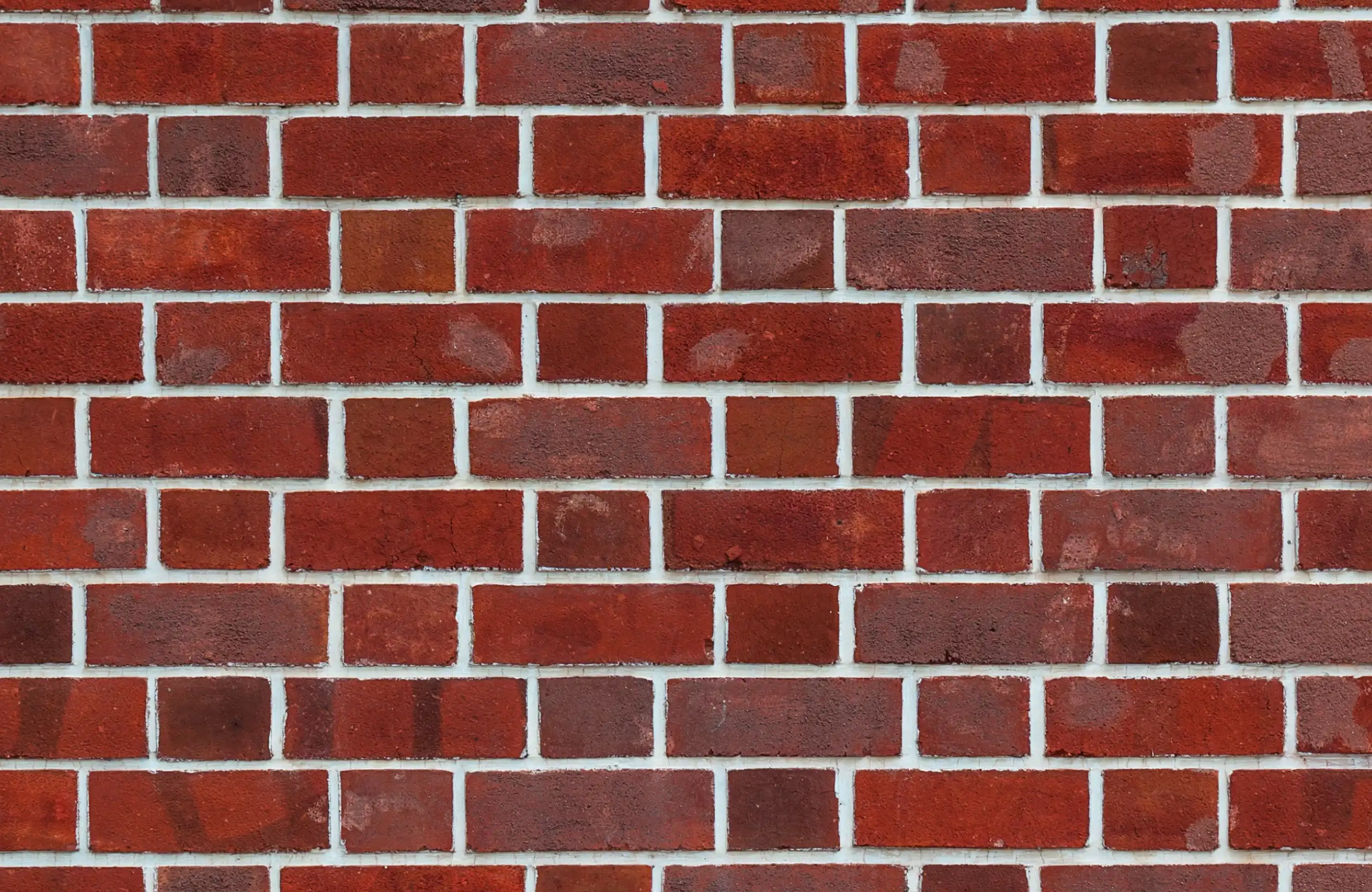
Tuckpointing and repointing are two different processes. Repointing is a structural maintenance procedure that removes and replaces deteriorated mortar to restore joint integrity, while traditional tuckpointing is a decorative finishing technique that creates the visual impression of precise, fine joints. Understanding tuckpointing vs repointing is essential for Ontario property owners because the wrong choice or the wrong mortar can cause more long-term damage than the original deterioration. Stone Haven Developments has been delivering expert tuckpointing and repointing in Ontario for 17 years across Southwestern Ontario.
Why Tuckpointing vs Repointing Matters for Ontario Masonry
Tuckpointing and repointing are used interchangeably in casual conversation, and even some contractors use them without distinction. That is a problem, because they describe different processes and knowing which one your masonry actually needs determines whether you get the right outcome at the right cost.
What Is Masonry Repointing in Ontario?
Tuckpointing and repointing are used interchangeably in casual conversation, and even some contractors use them without distinction. That is a problem, because they describe different processes and knowing which one your masonry actually needs determines whether you get the right outcome. Understanding tuckpointing vs repointing is essential for maintaining the structural integrity of your home.
Stone Haven Developments has been delivering mortar joint work across residential and commercial masonry in Southwestern Ontario for 17 years. When considering tuckpointing and repointing in Ontario, it is vital to work with professionals who understand local weather patterns.
What Is Tuckpointing?
Tuckpointing in its traditional and technically accurate application involves filling masonry joints with mortar that is colour-matched to the brick or stone units, then cutting a narrow, precise groove down the centre and filling that groove with a thin ribbon of contrasting mortar, typically white or cream to create the visual impression of very fine, precise joints.
In North American usage, tuckpointing is widely used as a synonym for repointing. If you have received quotes for tuckpointing work, there is a reasonable probability the contractor was describing masonry repointing in Ontario in the structural maintenance sense rather than the decorative finishing technique. When comparing tuckpointing vs repointing, this is worth clarifying directly with any contractor before work begins.
Tuckpointing vs Repointing: The Core Differences
Understanding the difference in tuckpointing vs repointing comes down to purpose:
- Repointing is a structural maintenance procedure: Its purpose is to restore the mortar joint’s ability to bond masonry units, resist water infiltration, and manage the forces that Ontario’s climate places on exterior masonry assemblies.
- Traditional tuckpointing is a finishing technique: Its purpose is aesthetic, creating a visually refined, precise joint appearance on masonry that may have wide, irregular, or inconsistent joints.
- The two are not mutually exclusive: Masonry repointing in Ontario is sometimes finished with tuckpointing technique on heritage restorations, premium residential builds, or commercial facades where joint appearance is a property value consideration.
The Mortar Compatibility Problem in Ontario
Whether the scope is repointing, tuckpointing, or a combination, the single most consequential technical decision is mortar selection. A mortar that is harder than the masonry units it bonds causes more long-term damage than the deteriorated mortar it replaces. Professional masonry repointing in Ontario requires an understanding of these material differences.
Heritage brick across Southwestern Ontario was largely laid with lime-based mortars considerably softer and more flexible than modern Portland cement formulations. When those joints are repointed with standard high-strength mortar, the rigid new mortar transfers thermal movement and freeze-thaw stress directly into the brick units rather than allowing the joint to absorb it causing spalling brick faces and cracking.
How to Know If You Need Masonry Repointing in Ontario
Common indicators that masonry repointing in Ontario is needed include:
- Mortar joints that are recessed, crumbling, or missing material and repointing is overdue
- Efflorescence (white salt deposits on the masonry surface) signals water is moving through the assembly
- Spalling brick faces and freeze-thaw damage accelerated by failing mortar joints
- Water staining on interior walls adjacent to exterior masonry
- Visible gaps between mortar and masonry units on close inspection
Stone Haven: Tuckpointing and Repointing in Ontario
Stone Haven Developments provides repointing and masonry restoration services for property owners across Stratford, Kitchener, Waterloo, Guelph, Cambridge, Hamilton, London, Burlington, Oakville, and Milton. We provide reliable masonry repointing in Ontario for both modern and historic builds, specifying mortar correctly for the masonry type and exposure conditions on every project.
Frequently Asked Questions
1. What is the difference between tuckpointing and repointing?
Repointing is a structural maintenance process: removing deteriorated mortar from masonry joints and replacing it with correctly specified new mortar to restore the joint’s structural and weather-resistance function. Traditional tuckpointing is a decorative finishing technique: filling joints with colour-matched mortar and adding a thin contrasting ribbon to simulate very fine, precise jointing. In North American usage, the two terms are often used interchangeably so always confirm which one your contractor means when quoting tuckpointing vs repointing work.
2. How often does masonry need masonry repointing in Ontario?
Standard cement-based mortar on exterior masonry typically requires attention within 20 to 30 years. In Ontario, where freeze-thaw cycles accelerate joint deterioration, this timeline can be shortened if the original mortar specification was not appropriate for the masonry type and exposure conditions. Regular visual inspections every five years allow for proactive masonry repointing in Ontario before deterioration becomes structural.
3. Can I do repointing myself?
Small areas of accessible, non-structural masonry can be addressed by a careful homeowner using the correct mortar type and tools. However, masonry repointing in Ontario on heritage brick, structural walls, and anything involving significant areas requires a qualified masonry contractor as mortar selection is a technical decision that, if done incorrectly, causes more damage than the original deterioration. Stone Haven Developments provides professional masonry repointing in Ontario for all project types and sizes.
4. How long does masonry repointing in Ontario last?
Well-executed masonry repointing in Ontario with correctly specified mortar should provide 20 to 30 years of service life before the joint requires attention again. The key variables are mortar compatibility with the masonry units, correct installation depth (minimum 20 millimetres), proper joint finishing, and ongoing drainage and moisture management at the wall.
5. What mortar should be used for repointing heritage bricks in Ontario?
Heritage brick across Southwestern Ontario was originally laid with soft, lime-based mortars. Repointing with modern high-strength Portland cement mortars causes the joint to become harder than the brick, directing freeze-thaw stress into the masonry units and causing spalling and cracking. Stone Haven specifies lime-based or lime-and-cement mortars for heritage brick based on the original construction and masonry type.
Get Started with Stone Haven Today
If you are evaluating the condition of masonry joints on a property you own or manage, and you want an honest assessment of tuckpointing vs repointing needs and what the work will cost, contact Stone Haven Developments for a site-level assessment.
- Call: (519) 807-7529
- Email: info@stonehavendevelopments.com
- Free estimate: stonehavendevelopments.com/contact
Serving Stratford, Kitchener, Waterloo, Guelph, Cambridge, Hamilton, London, Burlington, Oakville, and Milton.
Key Takeaways
- Tuckpointing vs repointing: repointing is structural maintenance that replaces deteriorated mortar; tuckpointing is a decorative technique that creates the appearance of fine, precise joints.
- In North American usage the two terms are often used interchangeably so always clarify which process your contractor is proposing before work begins.
- Masonry repointing in Ontario is the most common masonry maintenance procedure and the primary tool for managing moisture infiltration and extending masonry lifespan.
- The single most consequential decision in tuckpointing and repointing in Ontario is mortar selection. A mortar harder than the masonry units causes long-term damage.
- Heritage brick in Southwestern Ontario requires lime-based or lime-and-cement mortar for masonry repointing in Ontario as modern Portland cement mortar causes spalling and cracking.
- Stone Haven Developments delivers masonry repointing in Ontario for both modern and historic builds, specifying mortar correctly for the masonry type on every project.
- Contact Stone Haven at (519) 807-7529 or visit stonehavendevelopments.com for a site-assessed tuckpointing vs repointing assessment.