If you are planning a construction or restoration project, understanding the types of masonry construction helps you make better decisions about materials, timelines, and contractors. Masonry has been a foundational trade for centuries, and the methods used today range from traditional brickwork to modern block and stone systems. Each type brings its own set of properties, applications, and craftsmanship requirements.
At Stone Haven Developments, our team works across residential, commercial, and industrial projects throughout Southwestern Ontario. Whether you are building new or restoring existing masonry, knowing the difference between these methods helps you ask the right questions and choose a contractor who matches your project’s demands.
What Is Masonry Construction?
Masonry construction is the process of building structures using individual units, such as bricks, stones, or concrete blocks, bonded together with mortar. It is one of the oldest and most durable building methods in existence, valued for its strength, fire resistance, and longevity.
The type of masonry used in a project depends on several factors: the purpose of the structure, the local climate, aesthetic goals, and the budget. A qualified masonry contractor will assess all of these variables before recommending an approach.
Stone Haven Developments has delivered masonry work across Southwestern Ontario for over 17 years. We work with every major masonry type and tailor our approach to each project’s specific requirements.
The Main Types of Masonry Construction
Each masonry type has distinct characteristics that make it the right choice for certain applications. Below is a breakdown of the most common methods used in construction today.
Brick Masonry
Brick masonry is one of the most recognized and widely used construction methods in Canada. Bricks are manufactured from clay or shale, fired at high temperatures, and laid in patterns using mortar. The result is a structure that performs well in temperature fluctuations, requires minimal maintenance, and carries strong visual appeal.
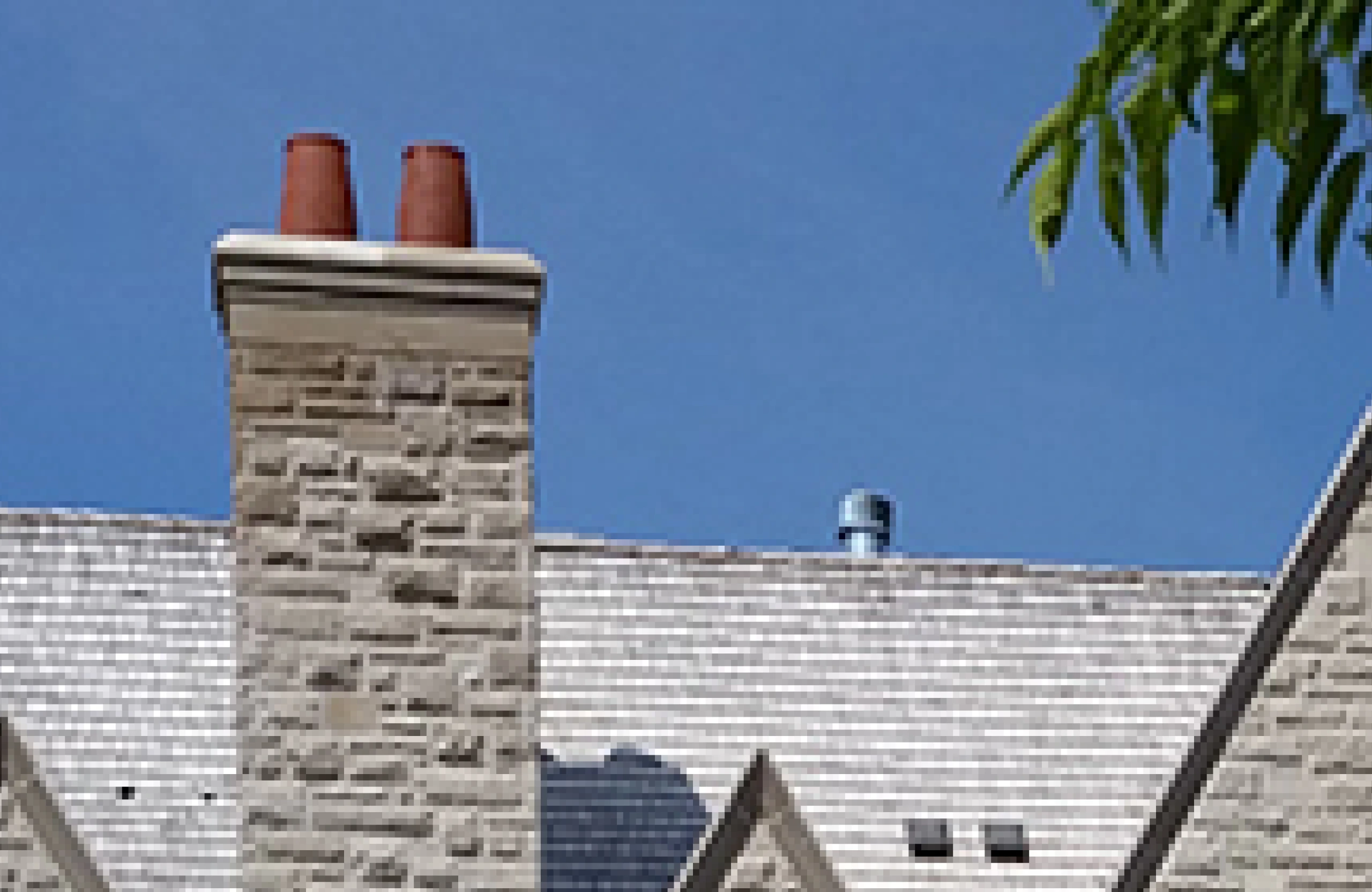
Common applications include exterior walls, feature facades, chimneys, garden walls, and commercial building envelopes. Brick is also frequently used in restoration projects, where matching existing coursework and mortar joints requires a skilled mason with an eye for detail.
Key strengths of brick masonry:
- High durability and weather resistance in Ontario’s climate
- Strong fire resistance properties
- Timeless appearance that holds property value
Stone Masonry
Stone masonry uses natural stone, either cut or uncut, as the primary building unit. It is broadly divided into two categories: rubble masonry, which uses irregular-shaped stones, and ashlar masonry, which uses finely cut and dressed stone.
Stone masonry is commonly selected for its visual impact and its ability to blend into natural environments. It is frequently used in foundations, retaining walls, landscaping features, fireplaces, and high-end architectural details. Natural stone carries significant weight, which influences structural design decisions.
For property owners seeking a premium finish with long-term permanence, stone masonry is among the most compelling choices available. It requires a mason who understands how to work with the natural variation in each stone, which is a skill that comes only with experience.
Concrete Block Masonry (CMU)
Concrete masonry units, commonly referred to as CMU or concrete blocks, are manufactured blocks made from a mixture of Portland cement and aggregate. They are larger than standard bricks, which allows for faster construction, and they are frequently used in load-bearing walls, foundations, and industrial structures.
CMU construction offers practical advantages in commercial and industrial applications: it is cost-effective, structurally reliable, and can be reinforced with steel rebar and grout to meet high load requirements. While it carries a more utilitarian appearance, it is often paired with brick or stone veneers to achieve the desired finish.
Veneer Masonry
Veneer masonry refers to a non-structural layer of brick, stone, or manufactured stone that is applied to the exterior of a building for aesthetic purposes. Unlike structural masonry, a veneer does not carry load, but it adds visual appeal, insulation value, and surface durability.
Brick veneer is one of the most popular finishes on new residential construction in Ontario because it replicates the look of full-brick construction at a lower cost. Proper installation is critical: incorrect anchoring, flashing, or weep hole placement can lead to moisture problems that compromise the wall system.
Whether you are working with veneer, full brick, stone, or CMU, installation quality determines how the masonry performs over time. Cutting corners on a masonry facade costs significantly more to repair than it does to install correctly from the start.
Reinforced Masonry
Reinforced masonry incorporates steel reinforcing bars (rebar) within the masonry units and fills them with grout to increase tensile strength. This method is used where masonry structures must resist lateral forces, such as wind loads, seismic activity, or soil pressure on retaining walls.
In commercial and industrial construction, reinforced masonry is the standard approach for walls that carry significant structural loads. It requires careful planning at the design stage and precise execution in the field to meet building code requirements.
Choosing the Right Type of Masonry for Your Project
Selecting a masonry type is not a matter of picking the most visually appealing option. The right choice depends on the structural requirements of your project, the local climate, your budget, and the intended lifespan of the structure.
A full-service contractor like Stone Haven Developments will walk through these variables with you before a single unit is laid. We assess your site conditions, discuss material options, and provide a clear picture of what each approach will require in terms of cost, timeline, and long-term maintenance.
Property owners in Kitchener, Waterloo, Stratford, Guelph, and across Southwestern Ontario can rely on our team to recommend the masonry type that makes the most sense for their specific project, not just the one that is fastest or most familiar to the crew.
Why Craftsmanship Matters Across Every Masonry Type
Regardless of which masonry method is used, the quality of the installation determines how the structure performs. Mortar mix ratios, joint tooling, bed depth, tie placement, and curing conditions all affect the final result. A mason with experience across multiple masonry types brings a broader perspective to each project.
Stone Haven Developments was built on a foundation of high-quality craftsmanship and direct communication. Matthew Howe and the Stone Haven team have been working in masonry across Southwestern Ontario for over 17 years. That experience spans brick, stone, block, and veneer work on residential, commercial, and industrial sites.
When you hire Stone Haven, you are not getting a crew that shows up, lays units, and moves on. You are getting a team that takes ownership of the outcome and stands behind the work.
Ready to Start Your Masonry Project?
If you have an upcoming masonry project in Southwestern Ontario, whether it is a new construction, a restoration, or a commercial build, the Stone Haven team is ready to help you plan it properly.
Contact Stone Haven Developments to request a free project consultation. We serve property owners and project partners across Stratford, Kitchener, Waterloo, Guelph, Cambridge, London, and the surrounding region.
Request Your Free Consultation Today
stonehavendevelopments.com | 519-807-7529 | info@stonehavendevelopments.com