Mortar joint repair is essential for preserving the strength, weather resistance, and long-term durability of brick and stone structures across Ontario. The main repair types, including repointing, tuckpointing, mortar sealing, and structural restoration, each serve a different level of damage. Identifying the right approach early saves property owners from costly full-scale masonry reconstruction.
Why Mortar Joints Fail in Ontario’s Climate
Ontario’s freeze-thaw cycles put masonry under constant stress. Water enters hairline cracks in mortar joints, freezes, and expands, gradually widening gaps and loosening the bond between masonry units. Left unaddressed, this moisture infiltration accelerates structural deterioration and can compromise the wall assembly entirely. The restoration services offered by Stone Haven Development are specifically designed to interrupt that cycle before it reaches structural failure.
Mortar is intentionally softer than brick or stone. That softness is by design. It allows the mortar to absorb movement, thermal expansion, and environmental stress so the masonry units themselves remain intact. When mortar deteriorates, however, the protection it provides disappears, and the structure becomes vulnerable.
The Main Mortar Joint Repair Types
Repointing
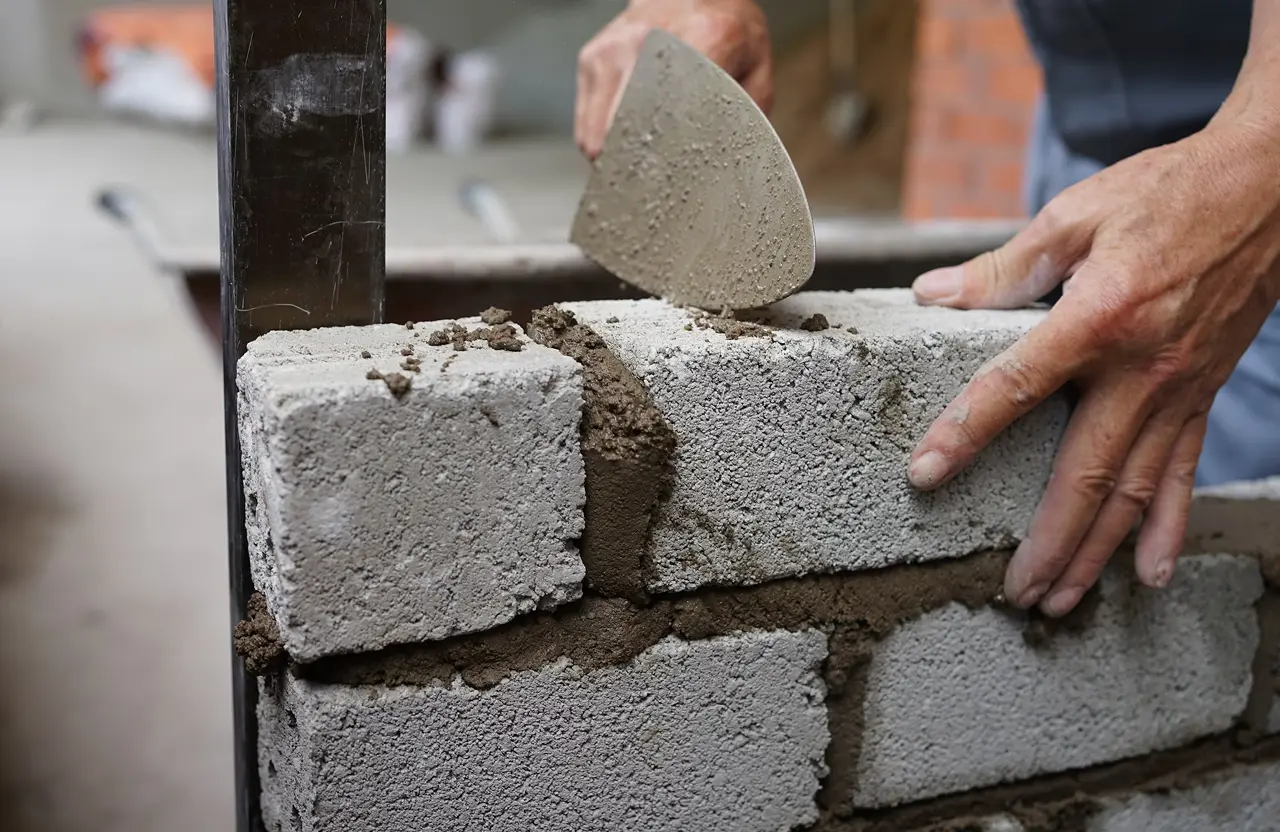
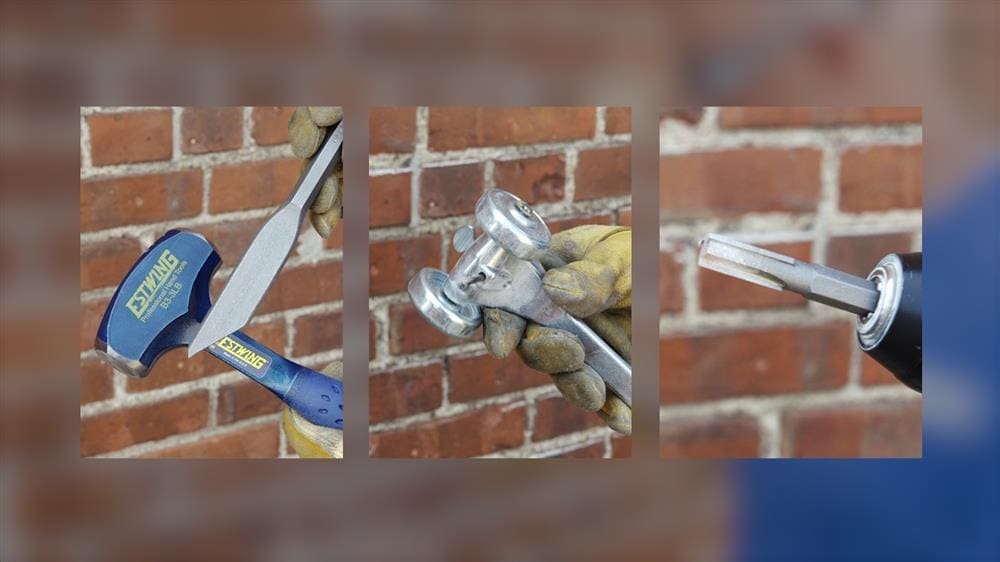
Repointing is the most common and widely applicable mortar joint repair. It involves removing deteriorated mortar to a consistent depth, typically between 20 and 25 millimetres, and replacing it with fresh mortar that matches the original in composition, colour, and texture.
This method works well for cracked or crumbling joints, surface-level deterioration, and aging masonry facades where the underlying brick or stone remains structurally sound. Proper mortar matching is not optional. Using a mortar that is too hard or too stiff relative to the masonry units can cause brick spalling, cracking, and accelerated joint failure.
Stone Haven’s masonry repair team assesses mortar composition before specifying a replacement blend to protect the long-term performance of the repair.
Tuckpointing
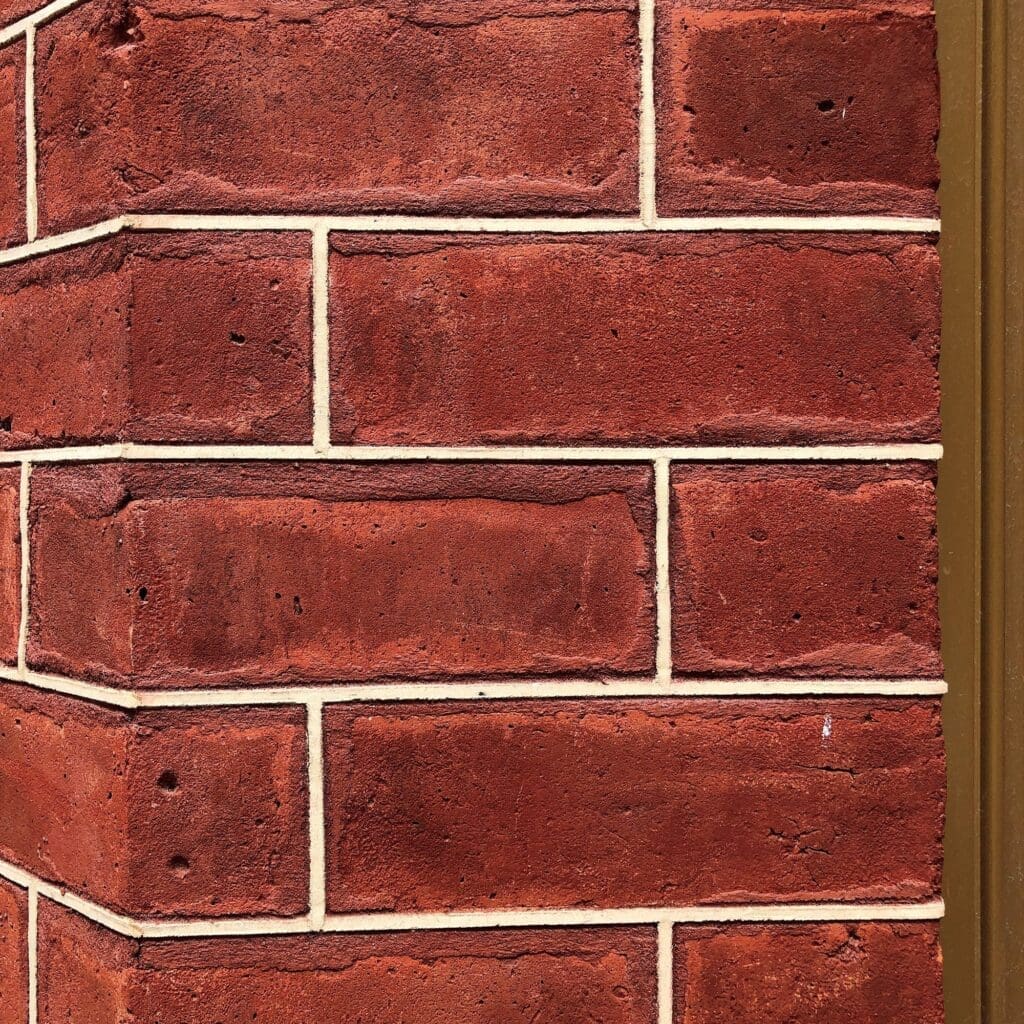
Tuckpointing is both a structural repair and an aesthetic refinement. After removing damaged mortar, the contractor applies base mortar that closely matches the brick colour, then adds a thin contrasting line of a different colour mortar down the centre of each joint. The result creates the visual impression of fine, precise joints and a more uniform masonry surface.
This technique is common on heritage properties, older residential buildings, and commercial facades where appearance is as important as performance. It restores structural integrity while significantly improving the visual presentation of the masonry.
Mortar Joint Sealing
For early-stage deterioration where the mortar is still largely intact but showing signs of surface wear, sealing offers a cost-effective protective measure. A penetrating masonry sealer is applied over cleaned joints to improve moisture resistance and slow further weathering. This approach is suitable only when the joint structure itself has not been compromised.
Structural Mortar Restoration
When mortar failure has progressed to the point of causing wall movement, instability, or visible structural shifting, a more comprehensive approach is required. Structural mortar restoration may involve partial brick or stone replacement, hidden reinforcement integration, foundation stabilization, and full-depth joint rebuilding. This level of work falls under Stone Haven’s broader general contracting capabilities, where project management and structural expertise come together.
Understanding Mortar Joint Profiles
The shape of a mortar joint affects both durability and water management. Different profiles perform differently under Ontario’s weather conditions.
- Concave joints: The most durable and water-resistant option. The curved, inward profile sheds water efficiently and resists freeze-thaw damage.
- Weathered joints: Sloped outward to direct water away from the wall surface. Effective for moisture management in exposed locations.
- Flush joints: Finished level with the masonry face. Clean and uniform in appearance, though slightly more vulnerable to water retention.
- Raked joints: Recessed deliberately for decorative effect. They create strong shadow lines but can retain moisture if not properly maintained.
The appropriate joint profile depends on the building’s architectural style, exposure level, and the existing masonry system. A skilled mason will select the profile that balances performance and aesthetics for the specific structure.
Warning Signs That Indicate Mortar Repair Is Needed
Ontario property owners should schedule a masonry inspection if any of the following conditions are present.
- Crumbling, powdery, or soft mortar between brick or stone units
- Visible gaps or voids where mortar has pulled away from masonry faces
- Efflorescence, the white mineral residue that appears when water moves through masonry
- Interior moisture staining on walls adjacent to exterior masonry
- Loose, shifting, or displaced masonry units
Catching these signs early allows for targeted repairs rather than large-scale reconstruction. Stone Haven’s project management process begins with a detailed site assessment to identify the full extent of deterioration before any work is proposed.
Why Proper Mortar Matching Matters
The National Research Council of Canada and heritage conservation organizations both emphasize mortar compatibility as the single most critical factor in masonry restoration success. Applying a high-strength Portland cement mortar to historic or older masonry is one of the most common and damaging mistakes in the industry.
When mortar is stronger than the masonry units it surrounds, stress that would normally be absorbed by the joint transfers directly into the brick or stone instead. The result is spalling, cracking, and structural damage that is far more expensive to correct than the original mortar deterioration would have been.
The Masonry Advisory Council recommends specifying mortar type based on the specific masonry material, the building’s age, and its exposure conditions. Stone Haven follows these standards on every repair project.
Mortar Repair vs. Full Masonry Restoration: How to Decide
Not every masonry problem requires a full restoration. The scope of work depends on the severity and extent of the deterioration. Repointing and tuckpointing are appropriate when the masonry units themselves remain in good condition and only the joints have failed. When the masonry units are also damaged, cracked, or structurally compromised, the project moves into stone restoration territory.
For buildings with significant settlement, foundation movement, or widespread mortar failure affecting multiple wall systems, the Canada Mortgage and Housing Corporation recommends engaging a licensed masonry contractor with structural assessment experience before proceeding. Stone Haven holds the credentials and hands-on experience to assess, plan, and execute projects of any complexity.
Professional Mortar Repair in Ontario: What to Expect
A professional mortar joint repair engagement with Stone Haven Development begins with a detailed visual and physical inspection of the masonry system. The team evaluates joint condition, mortar composition, and the presence of active moisture intrusion. From there, a scope of work is prepared that specifies the repair method, mortar blend, joint profile, and any supplementary waterproofing or structural measures required. All work is performed to Ontario building code standards and, where applicable, in compliance with heritage conservation requirements.
Protecting Your Masonry Investment in Ontario
Mortar joint repair is one of the highest-value maintenance investments a property owner can make. The cost of a targeted repointing or tuckpointing project is a fraction of what full masonry reconstruction requires, and the structural protection it provides can extend a building’s service life by decades.
Whether your property is a century home in Stratford, a commercial building in Kitchener, or an industrial facility in the region, Stone Haven Development provides mortar joint repair solutions tailored to the specific demands of the structure and Ontario’s climate. Reach out to the Stone Haven team to schedule a site assessment.
Frequently Asked Questions
1. What is the difference between repointing and tuckpointing?
Repointing replaces deteriorated mortar with a colour-matched blend to restore structural performance. Tuckpointing takes the process further by adding a thin contrasting line of mortar down the centre of each joint to create a refined, visually precise appearance. Both methods restore joint integrity, but tuckpointing also addresses the aesthetic quality of the masonry.
2. How long does mortar joint repair last?
When performed with properly matched mortar and correct joint depth, mortar repairs typically last 20 to 30 years or longer, depending on exposure conditions, the quality of the original masonry, and how well the surface is maintained. Periodic inspections help catch any early signs of wear before they require significant rework.
3. Can I repair mortar joints myself?
Minor, isolated cracks can sometimes be addressed with pre-mixed repair mortars for experienced DIYers. However, improper mixing ratios, incorrect joint depth, or mismatched mortar hardness can cause more damage than the original problem. For anything beyond hairline surface cracks, a professional assessment is strongly recommended.
4. How do I know which mortar joint repair type I need?
A detailed site inspection is the only reliable way to determine the appropriate repair method. Surface-level deterioration typically warrants repointing or tuckpointing. Significant moisture infiltration, loose masonry units, or visible wall movement may require structural restoration. Stone Haven begins every project with an inspection before recommending any scope of work.
5. Does the type of brick affect mortar repair requirements?
Yes. Older bricks, particularly those used in buildings constructed before 1930, are generally softer and more porous than modern machine-made bricks. They require a softer, lime-based mortar to prevent damage. Applying standard Portland cement mortar to older brick is a common cause of spalling and accelerated deterioration. The right mortar specification depends on the specific masonry material.
6. Is mortar joint repair required before winter in Ontario?
Addressing deteriorated mortar before freeze-thaw cycles arrive is highly advisable. Water in open joints expands when it freezes, widening gaps and increasing the rate of damage with each cycle. Completing repairs in late summer or early fall gives the mortar adequate curing time before cold weather sets in.
Request a Site Assessment
Stone Haven Development serves property owners and project partners across Southwestern Ontario, including Stratford, Kitchener, Waterloo, Guelph, Hamilton, and London. If your masonry is showing signs of joint deterioration, schedule a professional assessment before minor issues become structural problems. Contact the Stone Haven team to get started.
Key Takeaways
- Repointing removes and replaces deteriorated mortar to restore structural performance.
- Tuckpointing adds an aesthetic refinement layer on top of structural mortar repair.
- Sealing is appropriate only for early-stage surface wear, not structural deterioration.
- Structural mortar restoration is required when wall movement or instability is present.
- Mortar must be matched to the masonry material to prevent brick spalling and accelerated damage.
- Early intervention is consistently more cost-effective than deferred structural reconstruction.