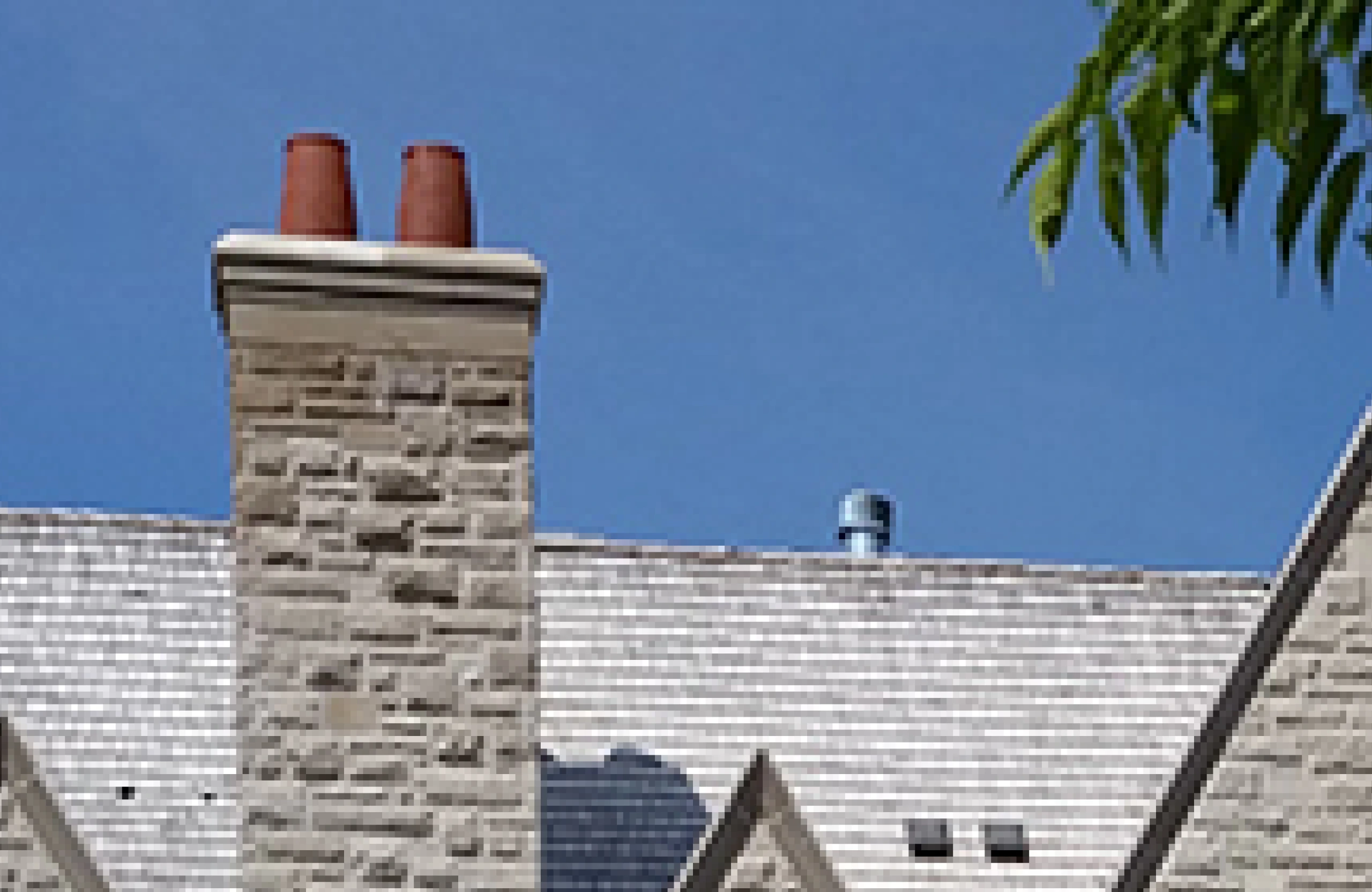
Southwestern Ontario has a rich heritage. Limestone farmhouses outside Stratford, century-old commercial buildings in Guelph, fieldstone foundations in Waterloo County, and stone-clad institutional structures throughout the region represent generations of craftsmanship that no new construction can replicate.
What is stone reclamation masonry? It is the discipline of recovering, cleaning, assessing, and reusing original stone from deteriorated or partially demolished masonry structures, either to restore the structure it came from or to repurpose it in new construction that demands authentic material character. Stone Haven Developments has been working with reclaimed and heritage stone across Southwestern Ontario for 17 years. This guide explains what is stone reclamation masonry, how the process works, when it is the right approach, and what it requires to be done correctly.
What Is Stone Reclamation Masonry?
Stone reclamation masonry refers to the process of carefully removing stone units from an existing masonry structure, whether a wall, foundation, chimney, or other assembly by salvaging those units that remain structurally sound, and reintegrating them into restored or rebuilt masonry work.
The term covers two related but distinct scopes. The first is in-situ reclamation, where stone is removed from a deteriorated section of an existing structure, cleaned, assessed, and relaid as part of a restoration. The second is salvage and repurpose, where stone from a structure being partially or fully demolished is recovered, catalogued, and applied in new construction.
Why Stone Reclamation Matters in Southwestern Ontario
Ontario’s heritage masonry stock was largely built using locally sourced stone such as limestone from the Niagara Escarpment, Credit Valley sandstone, Credit River fieldstone, and granite from regional quarries that in many cases no longer operate at the volumes required for restoration work.
When deterioration occurs through mortar failure, freeze-thaw damage, or structural movement, the approach taken to repair determines whether the building retains its original character or loses it permanently. Heritage stone restoration Ontario projects rely on these reclaimed materials to ensure historical accuracy. Restoration using reclaimed original stone honours the building’s history in ways that new quarried stone cannot.
How Stone Reclamation Masonry Works
Step 1
Initial Assessment: Before any stone is moved, a thorough site assessment identifies which sections are being addressed, evaluates individual stone unit condition, documents the existing coursing pattern, and establishes the extent of stone that can be reclaimed versus what will need supplemental material.
Step 2
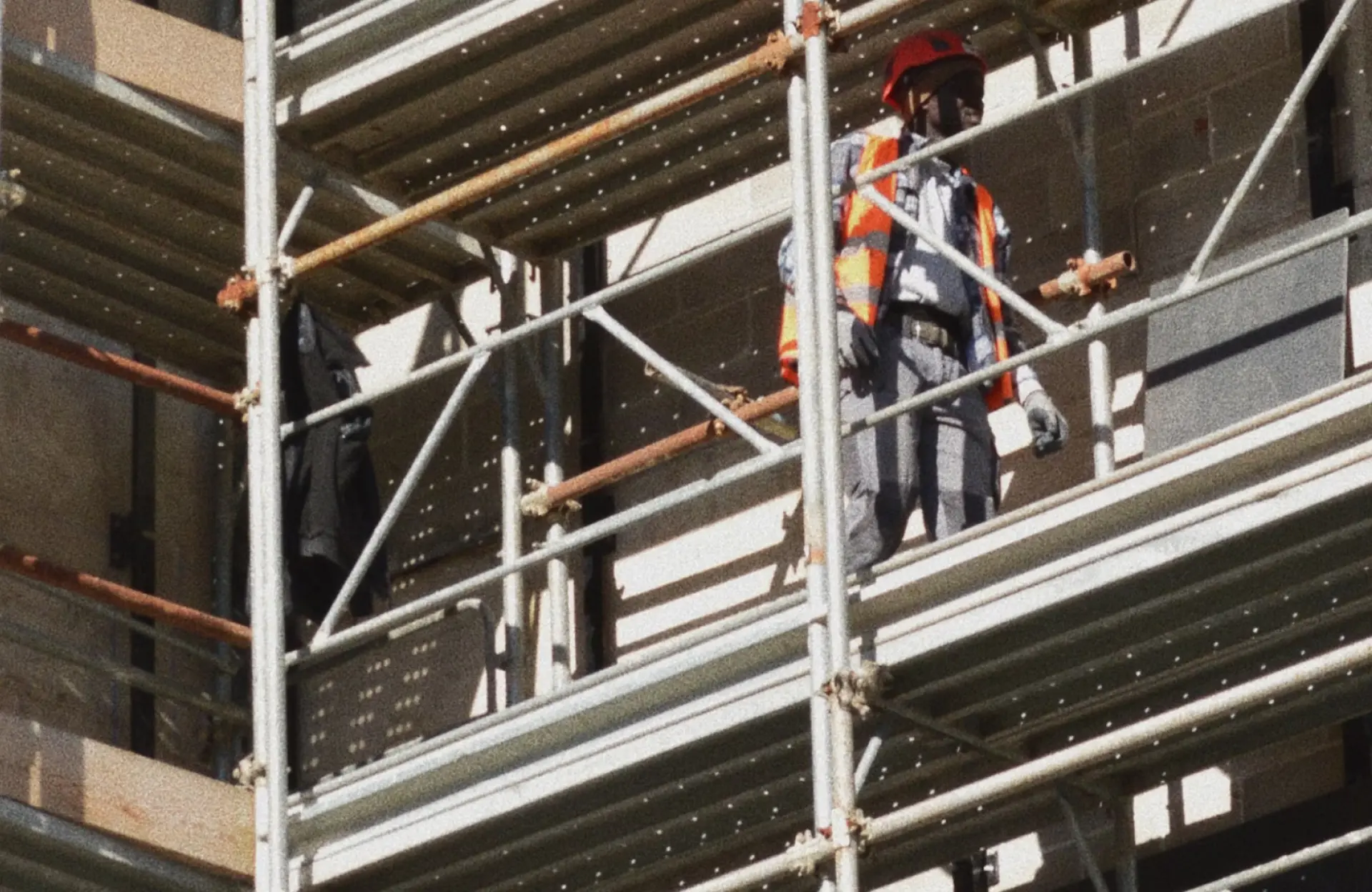
Careful Removal: Stone removal on a reclamation project is a deliberate, controlled process. Mortar that has hardened around the original stone must be cut back carefully to avoid damaging the stone face. On load-bearing walls, sections being dismantled require temporary structural support. This is a critical step for stone reclamation in Ontario, where centuries-old lime mortar can be fragile.
Step 3
Cleaning and Assessment: Each stone unit is cleaned of mortar residue and assessed for suitability. Cleaning is done with appropriate tools where necessary chemical agents are selected for compatibility with the specific stone type, preserving the aged character that gives the stone its value.
Step 4
Sourcing Supplemental Stone: On most reclamation projects, some portion of the original stone cannot be recovered in reusable condition. Stone Haven maintains knowledge of stone sources and salvage opportunities across Southwestern Ontario to identify supplemental material that matches the restoration intent.
Step 5
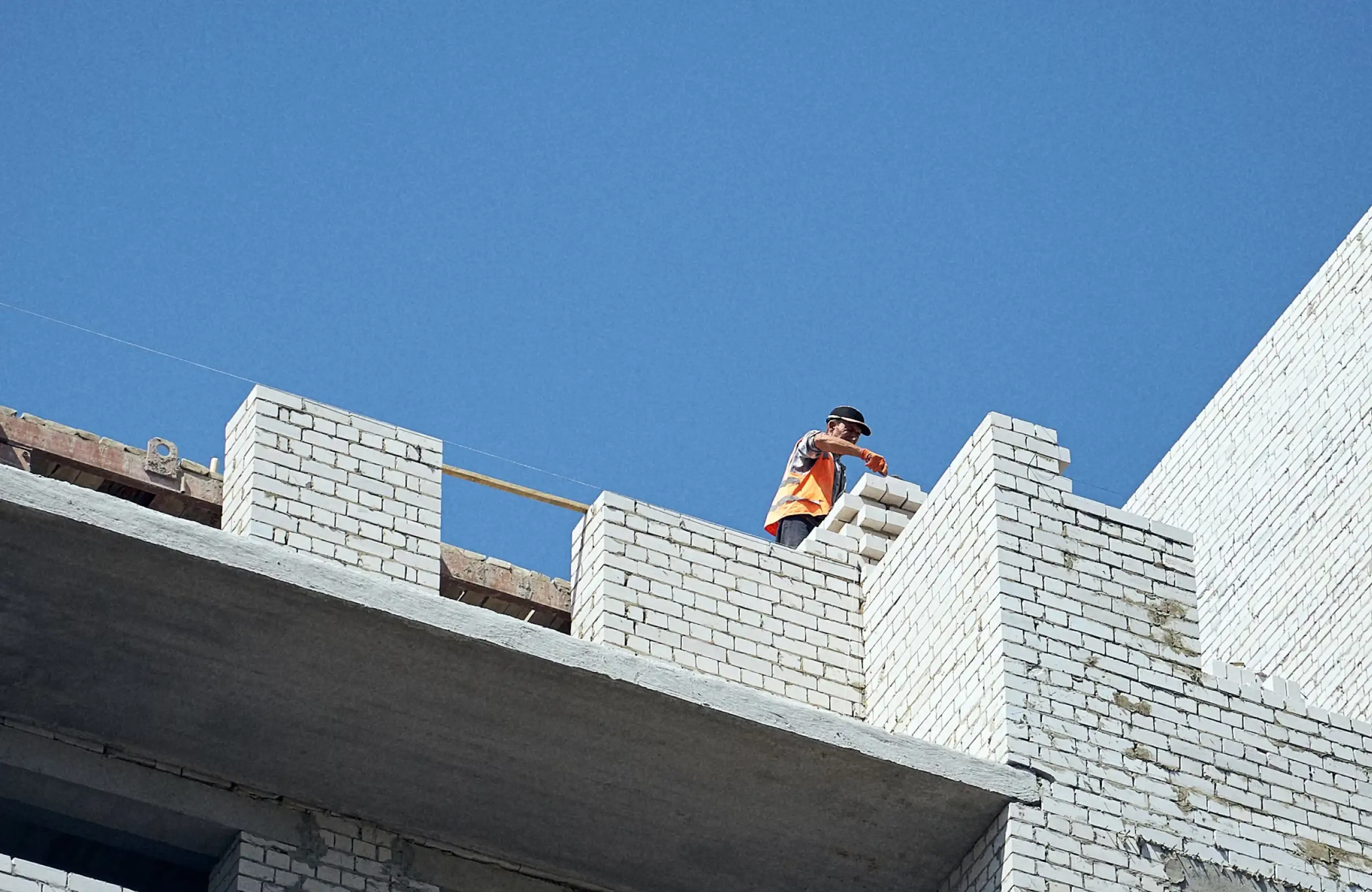
Reinstallation: Reinstallation of reclaimed stone requires mortar selection as a critical technical decision. Heritage stone masonry in Ontario was almost universally laid with lime-based mortars. Reinstalling reclaimed stone with modern portland cement mortar is one of the most damaging mistakes that can be made on a heritage restoration project.
Stone Reclamation vs. New Stone Installation
Stone reclamation preserves the original material of the structure, maintains authenticity that heritage designation requirements often mandate, and produces a finished result that carries the aged character of the original construction. It is more labour-intensive than installing new stone, but produces results that honour the building’s history.
New stone installation is faster and more predictable in terms of material cost and availability, and appropriate on projects where original stone cannot be recovered or where the heritage character of the structure is not a governing consideration.
Heritage Designation and Stone Reclamation in Ontario
Properties with heritage designation under the Ontario Heritage Act carry specific obligations regarding restoration materials. In many cases, designation requirements explicitly address the use of original or compatible materials, making stone reclamation not just a quality preference but a compliance requirement.
Contact Stone Haven Developments to discuss your heritage property and what stone reclamation can achieve for your specific structure.
Stone Reclamation Services Across Southwestern Ontario
Stone Haven Developments serves property owners and project partners across Stratford, Kitchener, Waterloo, Guelph, Cambridge, Hamilton, London, Burlington, Oakville, and Milton. As a full-service general contractor, we also offer project management, new construction, building development, and commercial financing for qualified builds.Explore our full masonry services to see how stone reclamation fits within our wider offering.
Frequently Asked Questions
1. What is stone reclamation masonry?
Stone reclamation masonry is the process of carefully removing, cleaning, and reusing original stone from an existing or partially demolished masonry structure. It preserves authentic heritage materials that cannot be replicated with new quarried stone.
2. Is stone reclamation required for heritage properties in Ontario?
For properties designated under the Ontario Heritage Act or through municipal programs, restoration requirements often mandate the use of original or compatible materials. Stone reclamation may be a compliance requirement rather than simply a preference.
3. How long does a stone reclamation project take?
Timeline depends on the scope and the extent of deterioration. A targeted section repair may take days, while a full heritage facade restoration can take several weeks. Stone Haven provides a realistic timeline during the initial site assessment.
4. Can all stone from a heritage building be reclaimed?
Not all stones will be in reusable condition. A qualified assessment identifies which units are structurally sound and suitable for reinstallation, which can serve non-structural purposes, and which are too deteriorated for functional reuse. Supplemental matching stone is sourced where needed.
5. How does Stone Haven match mortar for stone reclamation projects?
Heritage stone masonry in Ontario was typically laid with soft, lime-based mortars. Stone Haven specifies lime-based or lime-and-cement mortars based on the original stone type and construction, protecting both the reclaimed stone and the integrity of the restoration.
Ready to Get Started?
If you own a heritage property with original stone masonry that requires restoration, or if you are planning a redevelopment that involves original stone you want to preserve and repurpose, contact Stone Haven Developments for an honest site assessment.
Contact us today to schedule a professional masonry assessment, or call us to speak with a masonry repair specialist in Ontario.
Key Takeaways
- Stone reclamation masonry is the specialized process of recovering, cleaning, and reusing original stone to either restore a heritage structure or repurpose materials for new construction.
- Reclaimed stone is essential for maintaining the unique historical character of Southwestern Ontario, especially since many original quarries for limestone and granite no longer operate.
- Successful reclamation requires a deliberate five-step process, including site assessment, careful removal, cleaning, sourcing matching supplemental stone, and expert reinstallation.
- Using traditional lime-based mortars instead of modern Portland cement is critical to preventing damage and ensuring the long-term structural integrity of reclaimed stone.
- For properties designated under the Ontario Heritage Act, stone reclamation is often a legal requirement to ensure restoration projects meet strict authenticity standards.