Common signs your brick needs repointing include crumbling mortar joints, efflorescence, spalling brick, interior moisture, and visible cracks. Catching these early keeps repair costs low and prevents structural issues. Stone Haven Development provides professional repointing across Southwestern Ontario.
How Long Has It Been Since You Really Looked at Your Brick?
Most property owners walk past their brick walls every day without giving them a second look. And that is exactly how minor mortar deterioration becomes a serious structural problem.
Brick walls are built to last, but the mortar that holds them together has a finite lifespan. In Ontario, where freeze-thaw cycles are severe and moisture is relentless, mortar joints can begin to fail in as little as 20 to 25 years without maintenance.
The good news is that deterioration rarely happens overnight. If you know what to look for, you can catch the signs early, act at a manageable cost, and protect your property for decades to come.
Here are the seven clearest signs your brick needs repointing.
Sign 1: Crumbling or Recessed Mortar Joints
This is the most obvious indicator. Run your finger along the mortar joint between two bricks. If it crumbles easily, feels sandy, or is visibly recessed more than 6mm below the brick face, it is time to act.
Deteriorated mortar no longer seals the joint effectively. Water finds its way in, and every freeze-thaw cycle widens the gap further. Left alone, a joint that starts as a maintenance issue becomes a full-scale repointing or brick replacement project.
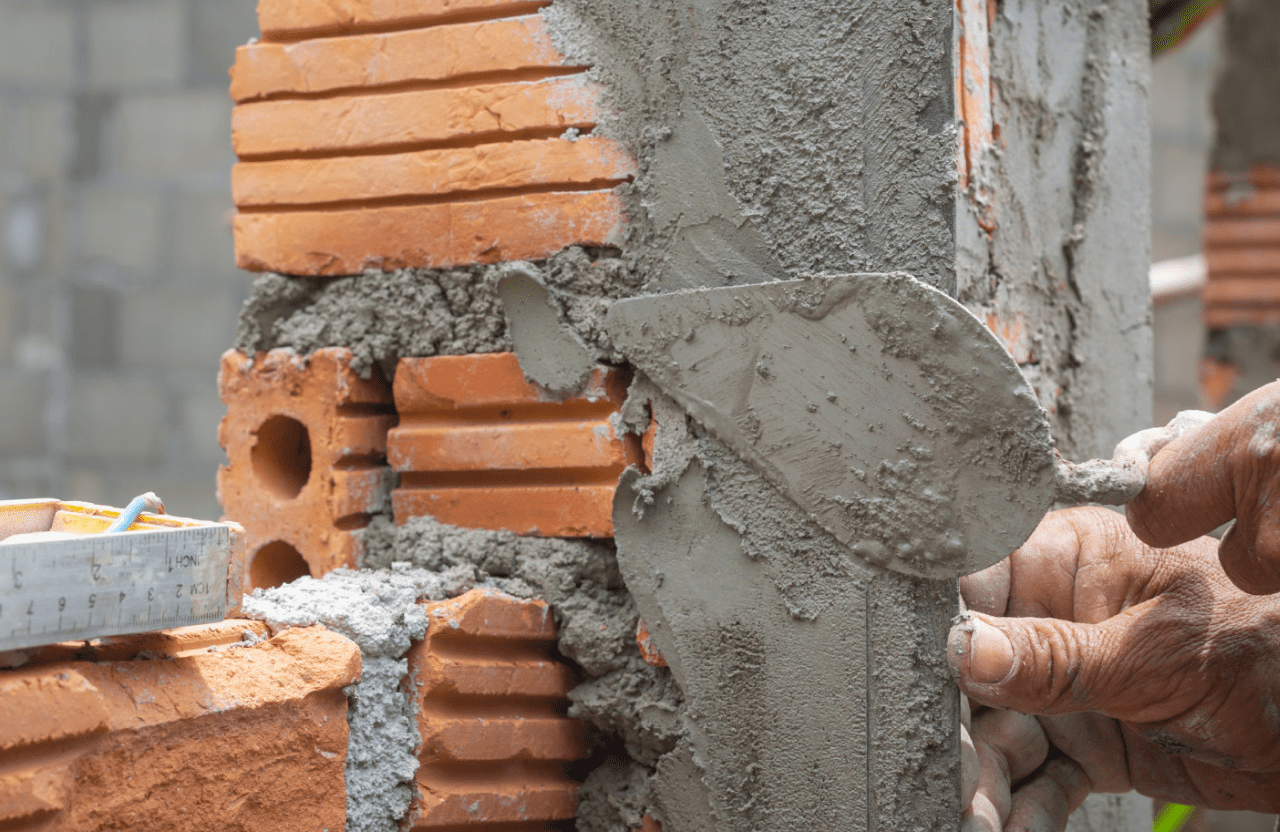
Our brickwork and masonry services cover repointing at both residential and commercial scale, with proper mortar matching on every job.
Sign 2: Efflorescence on the Wall Surface
Efflorescence is the white, chalky deposit that appears on brick or mortar surfaces when water moves through the masonry and carries soluble salts to the surface. It is a sign that water is moving through your wall where it should not be.
Efflorescence itself is not structural damage, but it is a clear signal that moisture infiltration is happening. If the underlying cause, most often failed mortar joints or inadequate drainage, is not addressed, the damage will worsen.
The Canada Mortgage and Housing Corporation identifies efflorescence as a common early warning sign of moisture management problems in masonry construction.
Sign 3: Spalling Brick Faces
Spalling refers to the flaking or breaking off of the outer face of a brick. It happens when water enters through damaged mortar joints, penetrates the brick, and then freezes inside. The expansion of frozen water forces the face of the brick to crack and separate.
Once spalling begins, the structural integrity of the individual brick is compromised. Repointing the surrounding joints can stop the progression, but severely spalled bricks typically need to be replaced entirely.
Stone Haven’s stone restoration and reclamation services handle individual brick replacement as part of a complete restoration approach.
Sign 4: Interior Moisture or Damp Patches
If you are noticing moisture stains, damp patches, or peeling paint on interior walls that back onto exterior brick, failed mortar joints are a likely cause. Water has found a path through the masonry assembly and is working its way inward.
This is a sign that the problem has already progressed past surface-level deterioration. A masonry professional needs to assess the full extent of the water infiltration before interior repairs make any sense.
If your property is also showing signs of broader building envelope issues, our professional construction consulting team can assess the scope and recommend the appropriate remediation path.
Sign 5: Cracks in Mortar Joints or Brick
Not all cracks are equal. Here is how to read what you are seeing:
- Hairline cracks in mortar only: Common in older masonry and usually addressable with standard repointing.
- Stair-step cracks along joints: Often indicate differential settlement or minor foundation movement. Requires professional assessment.
- Horizontal cracks: Can indicate significant lateral pressure on the wall, which is a structural concern and needs immediate attention.
- Cracks running through bricks: Structural in nature and almost always require a qualified masonry or structural assessment.
When in doubt, do not attempt to self-diagnose crack patterns in masonry. Our masonry team can provide an assessment and honest recommendation.
Sign 6: Loose or Shifting Bricks
A brick that moves when you press on it has lost its structural bond with the surrounding mortar. This is a serious sign that the mortar joint has completely failed in that area.
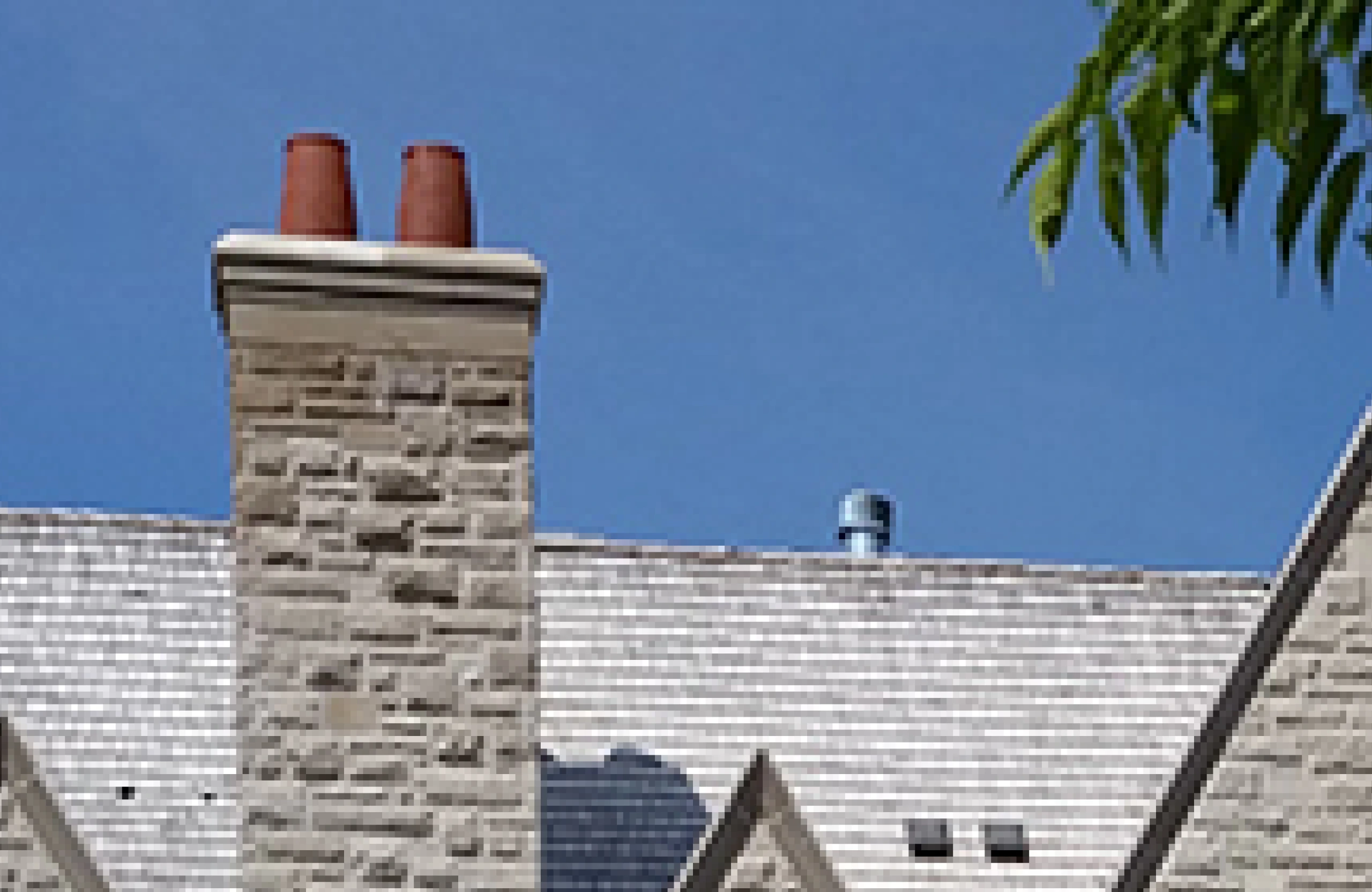
Loose bricks in a wall are a safety concern, particularly in walls above head height or on chimneys where falling material poses a real risk. This is not a wait-and-see scenario.
For chimney-specific concerns, our chimney repair services cover full structural assessments and rebuilds where needed.
Sign 7: Your Brick Is 20+ Years Old and Has Never Been Maintained
If you purchased an older home or commercial property and have no record of masonry maintenance, your mortar joints are likely at or past their service life. This is particularly true in Ontario, where decades of harsh winters and freeze-thaw cycles put masonry under sustained stress.
A professional inspection at this stage is a smart investment. Catching the problem before it becomes visible damage is always cheaper than addressing it after water has already gotten in.
Stone Haven serves property owners across Stratford, Kitchener, Waterloo, Guelph, Hamilton, London, Cambridge, and beyond. Book an assessment today and get an honest evaluation of where your masonry stands.
What Happens If You Ignore These Signs?
The sequence is consistent: failed mortar leads to water infiltration, water leads to brick spalling and structural deterioration, structural deterioration leads to costly repairs that go well beyond a simple repointing job.
What might cost $1,500 to $3,000 to repoint today can become a full brick restoration project costing five to ten times more if left for another few winters.
Research from the Brick Industry Association confirms that proactive mortar joint maintenance is the single most effective way to extend the service life of brick masonry structures.
Why Stone Haven Development for Repointing in Ontario
Stone Haven Development is a full-service general contractor and masonry company serving Southwestern Ontario since 2018. Our founder has 17 years of hands-on masonry experience in residential, commercial, and industrial settings.
When we assess a property, we tell you exactly what we see. We do not upsell unnecessary work. We scope the project honestly, use properly matched mortar, and clean up completely when the job is done.
Our services include repointing, tuckpointing, brick replacement, chimney repair, and full facade restoration. Learn more about our masonry services or view our completed work in the project gallery.
Frequently Asked Questions
1. How do I know if my mortar is failing?
Run your finger along the mortar joint. If it crumbles, feels sandy, or appears recessed more than 6mm below the brick face, it is failing. Visible cracks and efflorescence are also reliable indicators.
2. Can I repoint my brick wall myself?
Minor surface-level repointing on a small, accessible section of modern brick is possible for a careful homeowner. However, matching mortar composition for older or heritage properties requires professional knowledge, as using the wrong mortar can cause accelerated damage.
3. How often should brick be repointed?
Mortar joints on most residential properties have a service life of 25 to 30 years under normal conditions. Properties exposed to severe weather or moisture may require attention sooner. Regular inspections every five years are a practical maintenance habit.
4. What is the cost of repointing in Ontario?
Repointing typically costs between $10 and $25 per square foot in Ontario. For a detailed cost breakdown, see our guide on brick restoration cost in Ontario.
5. Does repointing fix spalling brick?
Repointing addresses the mortar joints and stops further water infiltration, which is the root cause of spalling. However, bricks that have already spalled may need to be individually replaced. A masonry professional can assess which bricks are salvageable.
Do Not Wait for the Problem to Get Worse
The signs are usually there well before a repointing job becomes a major restoration project. If your brick is showing any of the indicators covered above, now is the time to act. Contact Stone Haven Development for a professional masonry assessment across Southwestern Ontario.
Key Takeaways
- Mortar joints that crumble when touched or are recessed more than 6mm below the brick face are no longer providing an effective seal against the elements.
- The appearance of white, chalky salt deposits known as efflorescence serves as an early warning that water is moving through the masonry where it should not be.
- Spalling occurs when water trapped inside a brick freezes and expands, causing the outer face to flake off and potentially requiring full brick replacement.
- Interior issues such as damp patches or peeling paint on walls backing onto exterior masonry often signal that mortar failure has already allowed water to penetrate the building envelope.
- Different crack patterns provide specific clues about a building’s health, ranging from simple mortar wear to serious structural concerns like foundation movement or lateral pressure.