Masonry restoration before and after comparisons reveal the dramatic difference that professional repair and rebuilding can make on aging brick and stone structures. This guide walks through what restoration involves, what property owners can realistically expect, and how to evaluate whether your building is a candidate.
What Masonry Restoration Actually Looks Like in Practice
Scrolling through masonry restoration before and after photos, the transformations can seem almost unbelievable. Crumbling mortar joints become tight and uniform. Spalled, pitted bricks are replaced with matching units that blend into the original wall. Leaning chimneys stand straight again. Stained, weathered stone facades regain their original colour and character.
Behind every one of those images is a process. Restoration is not a coat of paint or a quick patch. It is a systematic approach to returning a masonry structure to its intended condition, addressing both cosmetic deterioration and underlying structural issues. The work involves assessment, careful material selection, skilled labour, and attention to how the building was originally constructed.
The Restoration Process from Assessment to Completion
Every restoration project begins with a detailed inspection. A qualified mason walks the entire structure, documenting every crack, area of spalling, mortar deterioration, water damage, and structural concern. This assessment determines the scope of work and the materials needed. At Stone Haven Developments, our stone restoration and reclamation team photographs and maps each issue before any work begins.
Mortar analysis comes next. On older buildings, using modern Portland cement mortar on historic lime-based brickwork can cause more damage than it fixes. The replacement mortar must be compatible with the existing brick in terms of hardness, flexibility, and moisture behaviour. Getting this wrong accelerates brick deterioration rather than preventing it.
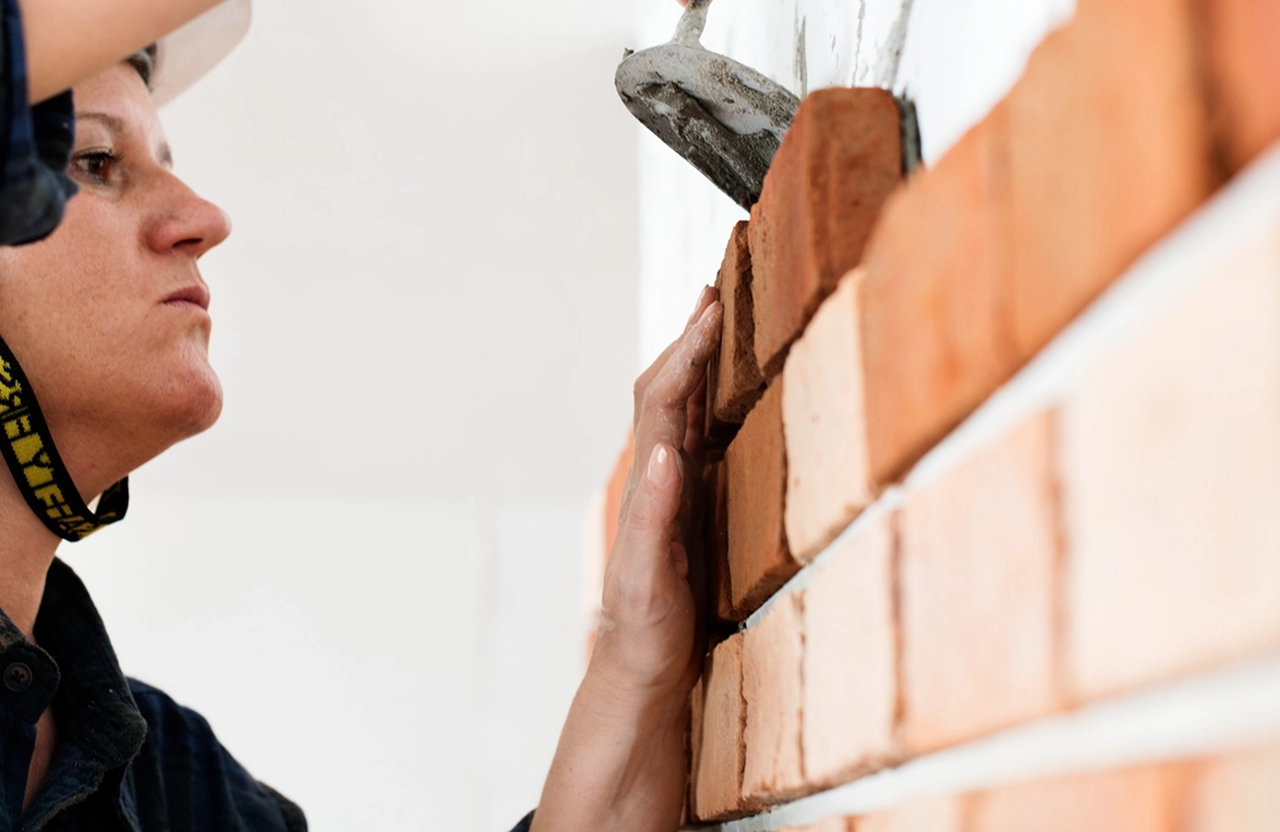
The physical work involves grinding out failed mortar, removing and replacing damaged bricks or stones, cleaning the wall surface, and applying new mortar with proper joint profiles. For chimneys, this often includes rebuilding the crown, replacing flashing, and repairing or replacing the flue liner. Each step builds on the last, and rushing any of them compromises the final result.
Common Restoration Scenarios Across Ontario Properties
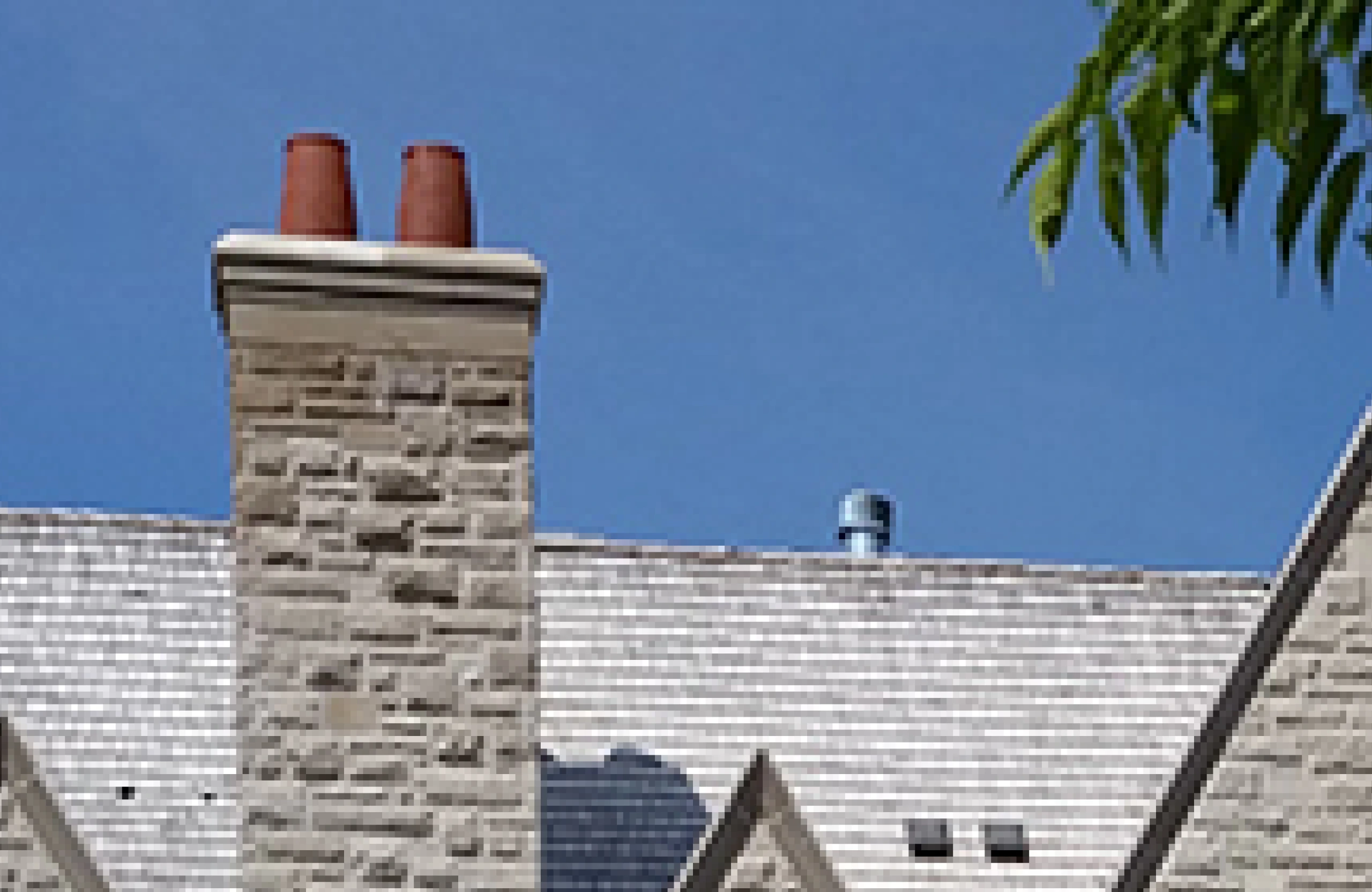
Chimney restoration is one of the most visible before-and-after transformations. Ontario chimneys take direct exposure from rain, snow, ice, and wind on all four sides. A chimney that looks like it might collapse can be rebuilt to look and perform like new, with fresh bricks, proper mortar, a new crown, and updated flashing where it meets the roof. The chimney repair specialists at Stone Haven handle these projects from partial repointing to full rebuilds.
Foundation wall restoration addresses cracking, spalling, and moisture infiltration at the base of the structure. Before photos typically show crumbling parging, exposed block, and visible water staining. After photos reveal a clean, properly parged and sealed wall that will protect the foundation for decades.
Brick facade restoration on commercial and heritage buildings is where the visual impact is most striking. Decades of pollution, weather, and deferred maintenance can leave a building looking abandoned. Restoration brings back the original architectural detail, and according to the Ontario Heritage Trust guidelines, properly restored heritage buildings may qualify for property tax relief programs.
What to Look for in Restoration Before-and-After Photos
When evaluating a contractor’s portfolio, look beyond the dramatic visual change. Quality restoration shows consistent mortar joint width and profile, colour-matched replacement bricks that blend with the originals, clean transitions between restored and untouched sections, and proper flashing and capping details at vulnerable points. A project gallery that shows close-up detail work alongside wide shots tells you the contractor pays attention to craftsmanship at every scale.
Pay attention to the mortar colour and texture as well. On a well-executed restoration, the new mortar should complement the existing wall rather than stand out. This level of detail separates professional masonry work from rushed, low-quality repairs.
Is Your Property Ready for Masonry Restoration?
If your building has deteriorating mortar, crumbling bricks, a leaning chimney, or persistent moisture issues, restoration is likely the path that protects both the structure and your investment. The sooner the work happens, the less material needs to be replaced and the lower the overall cost.
Stone Haven Developments has completed masonry restoration projects across residential, commercial, and institutional properties throughout Southwestern Ontario. Every project starts with a thorough assessment and a detailed written estimate. Our commitment to professional construction consulting means you get honest advice about what your building needs, not what generates the largest invoice.
Whether you need focused new construction support or a comprehensive restoration of an aging structure, we bring the same standard of craftsmanship and communication to every project.
Frequently Asked Questions
1. How long does a masonry restoration project take?
Residential restorations typically take one to two weeks. Commercial or heritage building restorations can span several weeks to a few months depending on the building’s size, the severity of damage, and weather conditions.
2. Will restoration match my existing brickwork?
A skilled mason will source replacement bricks and mortar that match the original as closely as possible. On older properties, this may involve reclaimed bricks or custom mortar mixes to achieve the right colour and texture.
3. Is masonry restoration worth the investment?
Restoration protects the building’s structural integrity, prevents water damage, and preserves or increases property value. For heritage buildings, it may also qualify for tax incentives. The cost of restoration is typically a fraction of what full replacement would require.
4. What is the difference between restoration and repointing?
Repointing addresses only the mortar joints. Restoration is a broader scope that may include repointing, brick replacement, structural repair, cleaning, waterproofing, and chimney rebuilding. Repointing is one component within a full restoration.
5. Can I see examples of your restoration work?
Yes. Visit the Stone Haven Developments project gallery to see before-and-after photos from recent masonry restoration projects across Ontario.
Start Your Restoration Project
Ready to see your own before-and-after transformation? Contact Stone Haven Developments for a restoration assessment and get a clear picture of what your building needs.
Key Takeaways
- Masonry restoration is a systematic process that addresses both cosmetic and structural deterioration
- Mortar compatibility is critical on older buildings; using the wrong mortar type accelerates damage
- Chimneys, foundations, and brick facades are the most common restoration candidates in Ontario
- Quality before-and-after photos should show detail work, not just wide-angle transformations
- Heritage buildings may qualify for Ontario property tax relief after proper restoration