Fixing brick mortar is a standard part of maintaining a masonry home in Ontario, but not every mortar issue can or should be handled without a professional. When mortar failure goes beyond surface cracking into joint recession, water infiltration, or structural movement, DIY repair compounds the damage rather than stopping it. Stone Haven Developments provides professional repointing and brick mortar repair services for homeowners and contractors across Southwestern Ontario.
What Does Fixing Brick Mortar Actually Involve?
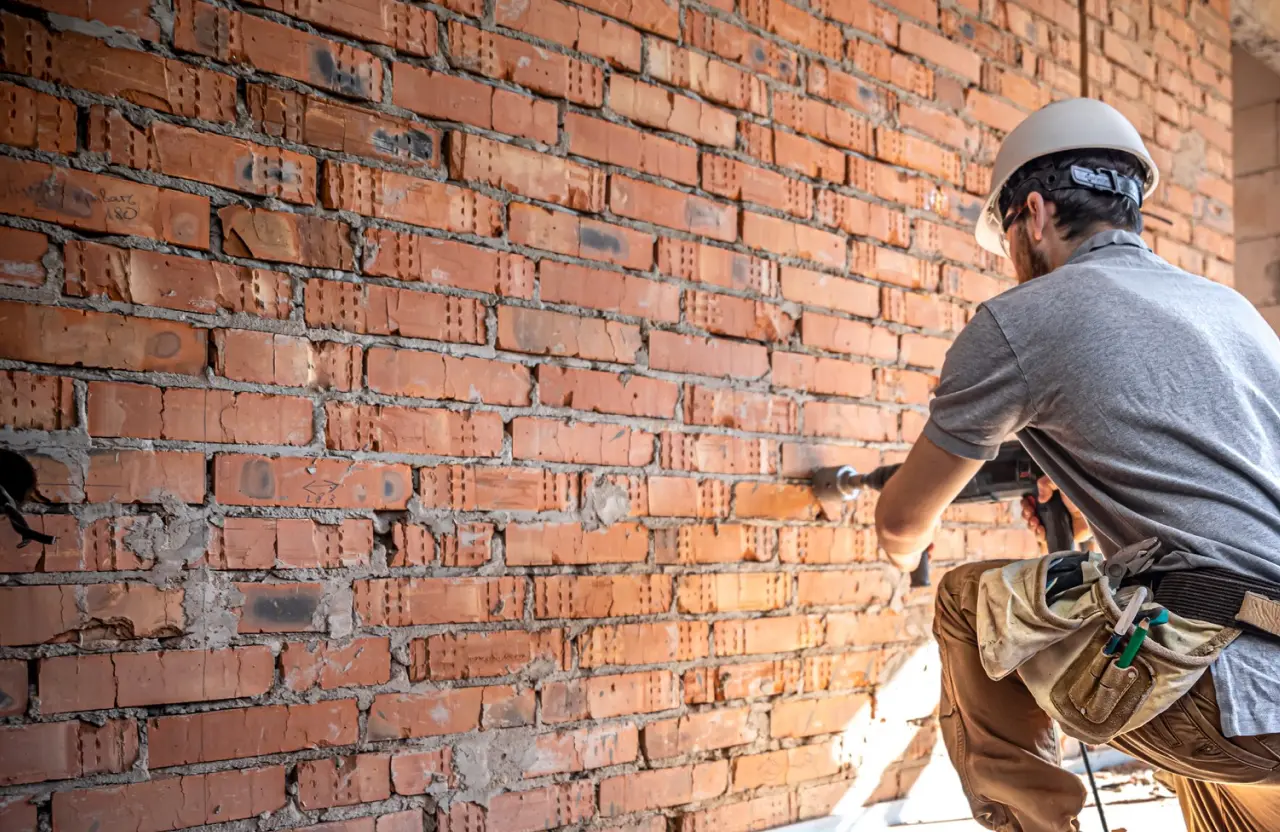
Fixing brick mortar, known professionally as repointing or tuckpointing, involves removing deteriorated mortar from between brick units to a specified depth and packing in fresh mortar that is matched to the original in composition, colour, and joint profile. When done correctly, repointing restores the weatherproof seal between bricks, prevents water infiltration, and extends the service life of the masonry wall by several decades. The Ontario Building Code does not regulate minor mortar maintenance on existing residential structures, but contractors performing repointing work on heritage or commercial properties in Ontario must comply with applicable municipal requirements.
Mortar is intentionally softer than the brick it bonds. This is by design. A softer mortar absorbs the thermal movement and moisture cycling that brick walls experience through Ontario’s freeze-thaw seasons, protecting the brick units from stress fractures. When homeowners fill deteriorated joints with a hard, Portland cement-heavy mix, the mortar becomes stiffer than the surrounding brick and begins transferring stress into the units, causing spalling and cracking. Stone Haven Developments uses mortar specifications matched to the original wall assembly on every brickwork project they complete.
What Are the Signs That Mortar Repair Has Moved Beyond DIY?
There is a meaningful difference between surface cracking in mortar joints that can be spot-repointed and mortar failure that signals a deeper problem. Ontario homeowners and property managers should watch for the following signs that brick mortar repair requires professional assessment rather than a DIY fix.
Mortar Joints Recessed More Than 6mm
A mortar joint that has recessed more than 6mm from the brick face has lost its ability to shed water effectively. At that depth, rainwater sits in the joint rather than running off the face of the wall, and in Ontario’s freeze-thaw climate that standing water freezes and expands on the next cold night. Spot-filling a deeply recessed joint without removing the remaining deteriorated material results in a surface repair that fails within one to two winters. Professional repointing requires removing the old mortar to a minimum depth of 20mm before the new material is packed in. Learn more about the signs your brick needs repointing.
Horizontal Cracking Along Multiple Courses
Horizontal cracks running along several courses of mortar joints, particularly in a stair-step pattern, indicate differential settlement in the wall or foundation. Repointing these joints without addressing the underlying movement is a cosmetic fix that will fail quickly. A structural assessment is required before any mortar repair work begins on a wall showing this pattern.
Brick Faces Spalling After Previous Repairs
If brick faces are popping off or flaking after a previous repair, the mortar used in that repair was likely too hard for the original brick. Hard mortar traps moisture behind the brick face and accelerates freeze-thaw damage. This is one of the most common outcomes of DIY mortar repair or low-quality contractor work using standard Portland cement mixes on older brick. Repairing brick spalling caused by incorrect mortar requires removing the improper repair, assessing the brick for underlying damage, and applying a correctly specified mortar in the repointing work.
Efflorescence Returning After Cleaning
Efflorescence, the white mineral deposit that appears on brick surfaces, signals that water is moving through the wall and carrying salts to the face. A single occurrence after rain is normal. Efflorescence that returns consistently after cleaning indicates ongoing water infiltration through deteriorated joints. Cleaning the surface without fixing the mortar joints will not stop it. Stone Haven Developments assesses mortar condition as part of any efflorescence repair scope on residential properties.
Why Does Mortar Specification Matter in Ontario?
Ontario’s climate makes mortar specification one of the most consequential decisions in any brick mortar repair project. The Brick Industry Association publishes technical notes on mortar selection for repointing work, distinguishing between Type N, Type S, and Type O mortars by compressive strength and their suitability for different wall types and exposures. For most residential repointing work in Ontario, a Type N or Type O mortar that matches the lime content of the original is appropriate. Using Type S or straight Portland cement on soft historic brick is one of the most documented causes of accelerated brick deterioration in older Ontario homes.
A professional masonry contractor will assess the original mortar composition before specifying the repointing mix. In some cases, a small sample of the original mortar can be tested to confirm its lime and sand ratio before a matching blend is mixed for the repair. This is standard practice on heritage and restoration work where incorrect mortar specification would damage irreplaceable original brick.
How Is Professional Repointing Different from a Surface Patch?
A surface patch fills the face of a deteriorated joint without removing the failed material behind it. It looks like a repair from a distance but provides no structural bond to the surrounding brick and fails within one to two freeze-thaw cycles. Professional repointing requires removing mortar to a minimum depth of 20mm using a grinder, oscillating tool, or hand chisels, cleaning the joint of dust and loose material, dampening the joint to control suction before the new mortar is applied, and packing the mortar in layers to achieve a consistent density and bond. The final joint is tooled to match the original profile before it sets. Stone Haven Developments follows this process on every mortar repair project, from single-wall chimney repairs through full exterior repointing on residential and commercial properties.
What Happens If Brick Mortar Repair Is Delayed?
Delaying mortar repair in Ontario accelerates damage in a predictable sequence. Deteriorated joints allow water into the wall cavity. That water freezes and expands on the first cold night, widening the joint. Each subsequent freeze-thaw cycle widens it further. Within a few winters, water reaches the backup structure behind the brick veneer, causing moisture damage to sheathing, insulation, and framing. At that point, the repair scope has moved from repointing to structural remediation. The Canada Mortgage and Housing Corporation identifies moisture management as the primary factor affecting the long-term performance of masonry wall assemblies in cold climates.
Stone Haven Developments recommends that Ontario homeowners with brick exteriors inspect mortar joints each spring after the freeze-thaw season and contact a masonry contractor for assessment if they observe any of the signs described above. Early intervention on mortar deterioration is consistently less expensive than remediation after water damage has reached the backup structure. Contact Stone Haven to arrange an assessment for your property.
What Every Ontario Homeowner Should Understand About Mortar Repair
Fixing brick mortar is not always a straightforward maintenance task. The mortar specification, the depth of removal, and the condition of the surrounding brick all affect whether a repointing repair holds for decades or fails within a season. In Ontario, where freeze-thaw conditions put exceptional stress on masonry assemblies every winter, getting the mortar specification right is as important as doing the physical repair work correctly.
Professional repointing by a qualified masonry contractor is the most reliable way to ensure that a mortar repair matches the original wall assembly, penetrates to the required depth, and uses a mix that will move with the wall rather than against it over the coming winters.
Talk to a Masonry Contractor About Your Brick Mortar
Stone Haven Developments provides professional repointing, brick mortar repair, and masonry assessment services for residential and commercial properties across Southwestern Ontario. If you have noticed any of the warning signs described above, reach out to the Stone Haven team for an honest evaluation of your mortar condition and a clear scope of what is needed.
Frequently Asked Questions
1. How deep does mortar need to be removed for proper repointing?
Professional repointing requires removing deteriorated mortar to a minimum depth of 20mm, or approximately three-quarters of an inch, before the new mortar is applied. Shallower removal does not provide enough mechanical bond for the new mortar to hold through Ontario’s freeze-thaw cycles. Achieving this depth requires either a grinder with a mortar raking disc or careful hand work with chisels, depending on the joint width and the condition of the surrounding brick. Stone Haven Developments follows correct removal depth on every masonry restoration and repointing project.
2. Can I fix brick mortar myself in Ontario?
Minor mortar cracking on a small, accessible section of wall can be addressed by a capable homeowner using a correctly specified mortar mix. The most common DIY errors are using mortar that is too hard for the original brick, failing to remove enough of the old material before patching, and not dampening the joint before packing in the new mortar. Any mortar failure that covers a significant area, shows stair-step cracking, or follows a previous failed repair should be assessed by a professional before any further work is done.
3. What type of mortar is used for repointing in Ontario?
The correct mortar type for repointing depends on the age of the building and the original mortar composition. Most residential repointing on homes built before 1950 requires a lime-based mortar, typically Type N or Type O, that is softer than the surrounding brick. Newer homes with harder brick may accept a Type S mortar in exposed locations. Using standard hardware store mortar mixes without matching the original composition is a common cause of accelerated brick damage after repointing. Review the tuckpointing cost guide for more on professional repointing scope and pricing in Ontario.
4. How long does professional repointing last in Ontario?
Correctly specified and installed repointing work on an Ontario residential property typically lasts 20 to 30 years before the joints require attention again. The lifespan depends on the mortar specification, the quality of the installation, the exposure of the wall, and how effectively water is managed around the base of the wall and at the roof line. Walls with good flashing, proper drainage, and no overhanging vegetation consistently outperform those without.
5. How do I know if my foundation is causing the mortar cracking?
Mortar cracking caused by foundation movement typically follows a diagonal or stair-step pattern across multiple courses rather than appearing randomly along individual joints. The cracks may also be wider at one end than the other, indicating directional movement. If you observe this pattern, a foundation assessment should precede any mortar repair work. Repointing walls that are still actively moving will not hold. Stone Haven Developments can assess whether the mortar damage on your property is consistent with settlement and refer clients to structural engineering resources where needed. Learn more about stone foundation repair services in Ontario.
Key Takeaways
- Professional repointing requires removing mortar to a minimum depth of 20mm, not surface patching, to achieve a lasting repair.
- Mortar must be softer than the surrounding brick. Hard Portland cement mixes on older brick cause spalling and should never be used for repointing heritage or pre-1950 homes.
- Signs that mortar repair requires professional assessment include joints recessed more than 6mm, stair-step cracking, recurring efflorescence, and brick spalling after a previous repair.
- Ontario’s freeze-thaw climate accelerates mortar deterioration every winter, making annual spring inspections an important part of brick home maintenance.
- Delaying mortar repair allows water infiltration that can reach the backup structure, turning a repointing job into a structural remediation project.
- Mortar specification must match the original wall assembly. A professional contractor will assess the original mortar before mixing a replacement blend.
- Stone Haven Developments provides professional repointing and brick mortar repair services across Southwestern Ontario for residential and commercial properties.