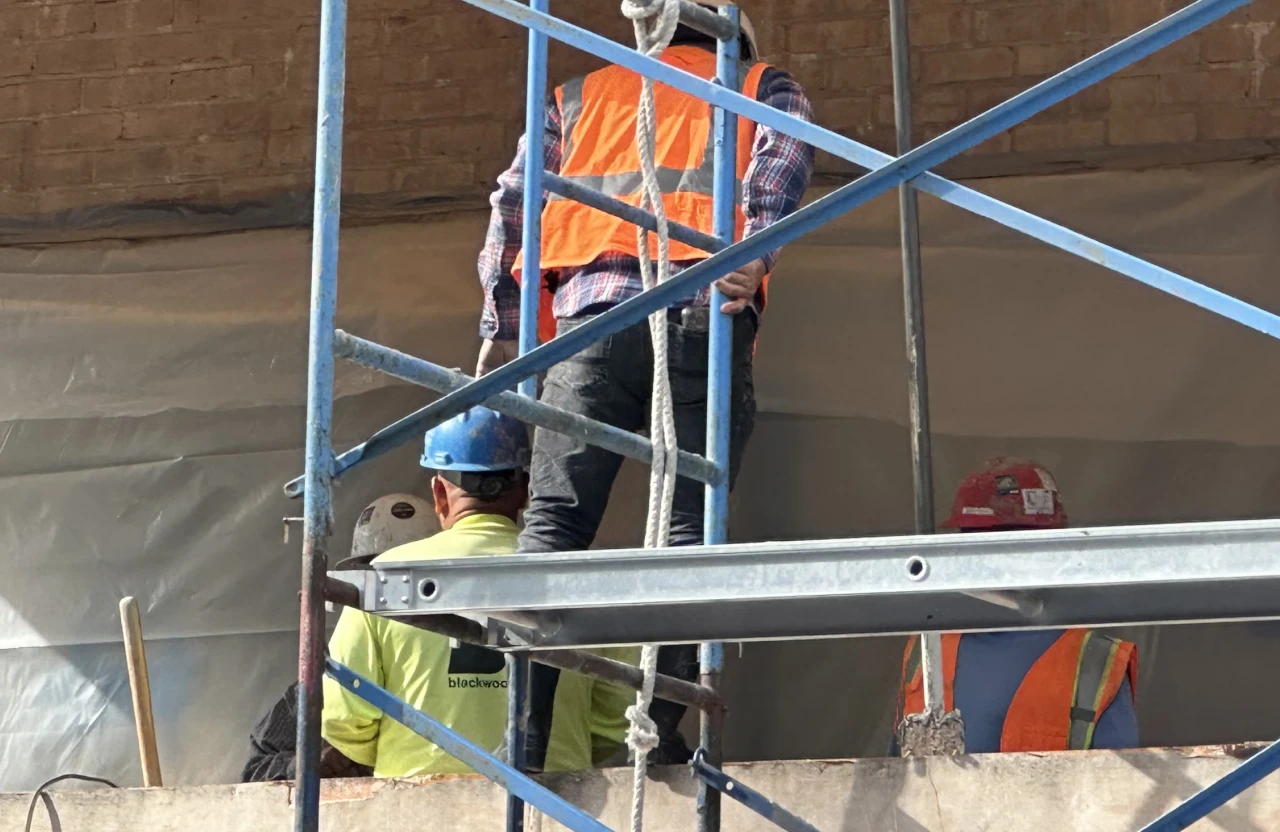
A multi-unit residential construction contractor in Ontario manages the full scope of building townhouses, low-rise apartments, and stacked residential developments from site preparation and foundation through structure, envelope, and mechanical systems. These projects are subject to the Ontario Building Code, the Planning Act, and development approval processes that vary by municipality. Stone Haven Developments provides construction and masonry services for multi-unit residential builds across Southwestern Ontario.
What Does a Multi-Unit Residential Construction Contractor Do in Ontario?
A multi-unit residential construction contractor in Ontario manages the complete construction process for properties containing more than one dwelling unit, including townhouses, semi-detached homes, low-rise apartment buildings, stacked townhouses, and small-scale condominium developments. Their role encompasses trade coordination, building permit management, schedule oversight, subcontractor procurement, quality control, and owner communication from groundbreaking through final occupancy.
The scope of multi-unit residential construction differs significantly from single-family homebuilding. Building code requirements are more stringent for buildings with more than two storeys or more than four units, fire separation requirements between units are more complex, and the structural and mechanical systems required to serve multiple independent dwelling units simultaneously add significant design and construction complexity. A contractor with only single-family residential experience is not automatically prepared for multi-unit residential construction.
Stone Haven Developments provides general contracting and masonry services for multi-unit residential builds across Southwestern Ontario, drawing on their new construction and project management capabilities to deliver residential developments that meet Ontario code requirements from foundation to final inspection.
What Regulations Apply to Multi-Unit Residential Construction in Ontario?
Multi-unit residential construction in Ontario is governed by a layered regulatory framework that developers and contractors must navigate before and during construction. The Ontario Building Code sets the minimum structural, fire safety, energy efficiency, and accessibility requirements for multi-unit residential buildings. The specific provisions that apply depend on the number of storeys, number of units, and occupancy classification of the proposed development.
The Planning Act of Ontario governs how land is approved for residential development, including zoning compliance, site plan approval, and draft plan of subdivision processes for larger residential projects. Development applications must be approved by the local municipality before a building permit can be issued, and this process can take months to years depending on the municipality and the complexity of the application.
The Ontario Building Code also incorporates energy efficiency requirements under SB-12, which applies to all new multi-unit residential buildings in Ontario and specifies minimum thermal performance for walls, roofs, windows, and mechanical systems. Contractors and developers working on multi-unit residential projects should confirm which performance path their project will follow under SB-12 early in the design process, as this affects both material selection and construction methods.
What Should a Multi-Unit Residential Contractor in Ontario Be Able to Deliver?
A qualified multi-unit residential contractor in Ontario should be able to demonstrate experience with the specific building type the developer is planning. Experience with single-family residential construction does not translate automatically to multi-unit residential work, particularly for low-rise apartments or stacked townhouses where fire separation, party wall construction, and shared mechanical systems require coordination that does not exist in single-family builds.
- Fire separation construction: Masonry or drywall party walls and floor/ceiling assemblies achieving required fire resistance ratings between dwelling units, mechanical rooms, and common areas.
- Structural masonry: Brick and block construction for exterior walls, party walls, and fire separation elements where masonry is specified in the structural drawings.
- Foundation and slab work: Reinforced concrete foundations and grade slabs sized for multi-unit loading, with waterproofing and drainage systems appropriate for the site conditions.
- Mechanical coordination: Coordination of HVAC, plumbing, and electrical systems serving individual units and common areas, including suite separation, individual metering, and shared service infrastructure.
- Energy code compliance: Construction methods and material specifications that meet SB-12 performance requirements, documented for building permit compliance and occupancy inspection.
Stone Haven Developments provides structural masonry, project management, and general contracting for multi-unit residential builds. Their building development services include coordination of the trades and systems required for multi-unit residential construction across Southwestern Ontario.
How Is Multi-Unit Residential Construction Different from Commercial Construction?
Multi-unit residential construction and commercial construction share some structural and regulatory requirements but differ in several important ways that affect contractor selection. Residential construction, including multi-unit residential, is subject to the Ontario New Home Warranties Plan Act, which requires builders to be registered with Tarion and to provide statutory warranty coverage on new homes. Commercial construction is not subject to Tarion requirements, and commercial contractors who are not Tarion-registered cannot legally build new homes in Ontario.
The occupant experience is also different. Multi-unit residential buildings house people who will live in them continuously, which means the quality of sound attenuation between units, the durability of finishes, and the performance of mechanical systems have a direct and ongoing impact on resident quality of life. Commercial tenants have different expectations and a different relationship to the building than residential occupants.
Stone Haven Developments is experienced in both residential and commercial construction in Southwestern Ontario. Their team understands the specific code and warranty requirements that apply to multi-unit residential work and the construction quality standards that residential occupants expect. Learn more about their land acquisition and development services for clients planning new residential builds from site selection forward.
What Should Developers Look for When Choosing a Multi-Unit Residential Contractor?
Selecting a multi-unit residential contractor in Ontario involves evaluating several factors that go beyond price. The developer’s risk of schedule delays, code compliance failures, and warranty claims are all directly affected by the quality of the contractor selected.
Verify that the contractor is registered with Tarion if the project involves new homes, as all builders of new homes in Ontario are required to be registered under the Ontario New Home Warranties Plan Act. Confirm the contractor has completed multi-unit residential projects of comparable scale and type, and ask for references from the owners of those projects rather than from the contractor’s own project team. Review the contractor’s approach to fire separation construction, since this is one of the most frequently failed inspection items on multi-unit residential builds. Contractors must also follow applicable Ontario Building Code requirements related to building safety, fire protection, and construction standards.
A contractor with an established project management process, documented trade coordination protocols, and a clear change order process reduces the developer’s exposure to cost overruns and schedule disputes throughout the build.
Planning a Multi-Unit Residential Build in Ontario
Successful multi-unit residential construction in Ontario starts with the right contractor, a realistic project schedule that accounts for development approval timelines, and a clear understanding of the regulatory requirements that govern both the approval process and the construction itself. Developers who engage a qualified contractor before the design is complete benefit from early input on constructability, trade sequencing, and material selection that can reduce both cost and schedule risk on the build.
Stone Haven Developments works with residential developers across Southwestern Ontario from the land planning stage through construction completion. Their services span land acquisition, new construction, structural masonry, and project management, covering the full development cycle for multi-unit residential projects.
Connect with Stone Haven Developments for Your Residential Development
Stone Haven Developments provides multi-unit residential construction and masonry services across Southwestern Ontario for developers, investors, and property owners planning townhouse, apartment, and stacked residential developments. Their team brings general contracting capacity, structural masonry expertise, and project management depth to residential construction projects of all sizes. Contact Stone Haven to discuss your development plans and receive an honest assessment of scope, timeline, and cost from a contractor with real multi-unit residential experience in the region.
Frequently Asked Questions
1. What is a multi-unit residential construction contractor in Ontario?
A multi-unit residential construction contractor in Ontario manages the full construction process for buildings containing two or more dwelling units, including townhouses, low-rise apartments, stacked units, and small condominium developments. Their scope includes trade coordination, permit management, structural construction, and occupancy preparation. Stone Haven Developments provides general contracting and masonry for multi-unit residential builds. Learn more about their new construction services for residential development clients across Southwestern Ontario.
2. Does a multi-unit residential contractor in Ontario need to be Tarion registered?
Yes. All builders of new homes in Ontario, including multi-unit residential buildings, are required to register with Tarion under the Ontario New Home Warranties Plan Act. Tarion registration ensures that builders provide statutory new home warranty coverage covering deposit protection, delayed closing, and deficiency repairs. Developers should verify Tarion registration before engaging any contractor for new multi-unit residential construction. Contact Stone Haven to discuss warranty and registration requirements for your residential development project.
3. What Ontario Building Code provisions apply to multi-unit residential construction?
Multi-unit residential construction in Ontario is primarily governed by Part 3 of the Ontario Building Code for buildings over three storeys or with occupant loads that exceed Part 9 thresholds, and by Part 9 for smaller residential buildings. Key provisions include fire separation requirements between units, fire resistance ratings for party walls and floor assemblies, energy efficiency requirements under SB-12, and accessibility standards. Stone Haven’s building development team works with structural engineers and code consultants to ensure compliance on every multi-unit residential project.
4. What is the development approval process for multi-unit residential construction in Ontario?
Multi-unit residential development in Ontario typically requires zoning compliance confirmation, official plan amendment if the site is not already zoned for residential development, site plan approval from the local municipality, and draft plan of subdivision approval for larger projects. This process varies significantly by municipality and can take from several months to several years depending on the complexity of the application and the municipality’s current processing capacity. Stone Haven Developments provides land acquisition and development advisory services for clients navigating this process in Southwestern Ontario.
5. How long does it take to build a multi-unit residential project in Ontario?
Multi-unit residential construction timelines in Ontario vary significantly based on the number of units, building type, structural system, and seasonal conditions. A small townhouse development of 6 to 12 units may take 12 to 18 months from groundbreaking to occupancy. A low-rise apartment building of 20 to 40 units typically takes 18 to 30 months. Larger or more complex developments take longer. Stone Haven Developments provides realistic project schedule assessments through their project management team based on site conditions, permit status, and scope.
Key Takeaways
- Multi-unit residential construction contractors in Ontario manage townhouses, low-rise apartments, stacked units, and small condominium developments from groundbreaking through occupancy.
- All builders of new homes in Ontario must be registered with Tarion under the Ontario New Home Warranties Plan Act, which provides statutory warranty coverage to home buyers.
- Part 3 of the Ontario Building Code applies to most multi-unit residential buildings over three storeys, with fire separation, fire resistance, and energy efficiency requirements that are more demanding than Part 9 residential construction.
- SB-12 energy efficiency requirements apply to all new multi-unit residential construction in Ontario and affect material selection, insulation systems, and mechanical design.
- Development approval through the municipality under the Planning Act of Ontario must be completed before a building permit can be issued for multi-unit residential projects.
- Multi-unit residential builders must coordinate fire separation construction, party wall assemblies, shared mechanical systems, and individual unit metering not required in single-family homebuilding.
- Stone Haven Developments provides multi-unit residential construction, structural masonry, land acquisition advisory, and project management services across Southwestern Ontario.