Masonry is the broader trade covering brick, stone, concrete block, and composite construction, while bricklaying is one specialized discipline within it focused exclusively on brick. Understanding the difference between bricklaying and masonry helps Ontario property owners hire the right contractor and plan more effectively for their project. Stone Haven Developments brings full masonry capability across all material types to every project in Southwestern Ontario.
Why the Distinction Matters for Ontario Property Owners
The terms bricklaying and masonry often get used interchangeably. On the surface, that seems reasonable as both involve working with hard materials, mortar, and skilled tradespeople. But the difference between bricklaying and masonry is real, and it directly affects the quality of the contractor you hire, the scope of work you plan, and the long-term outcome for your property. When looking for a masonry contractor in Ontario, knowing which skill set your project requires is essential.
Stone Haven Developments offers expert brickwork and masonry services across Southwestern Ontario, with the depth of experience to handle both bricklaying-specific work and full masonry scopes.
What Is Masonry?
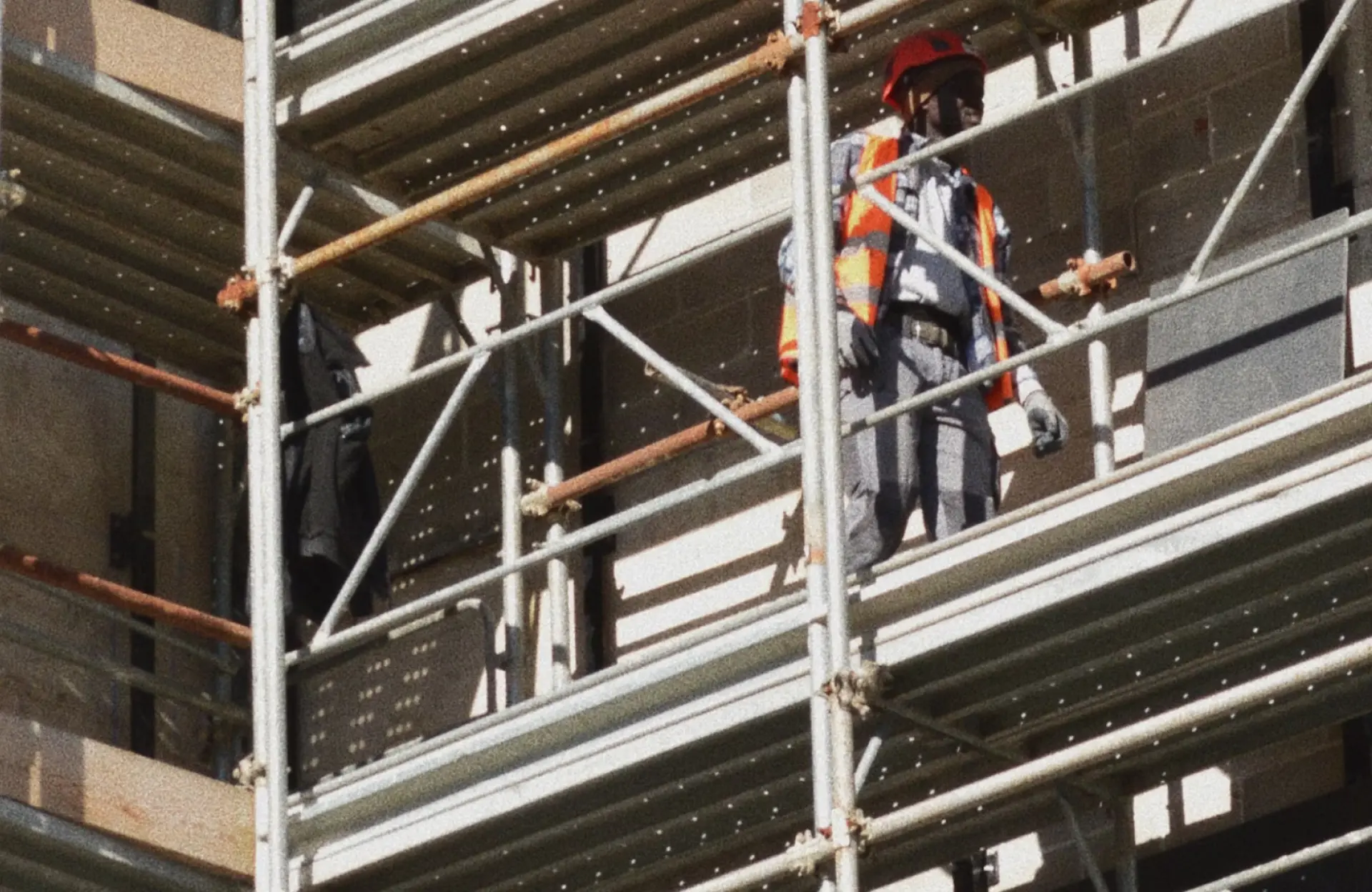
Masonry is the broader trade. It refers to the craft of building structures using individual units such as brick, stone, concrete block, or other similar materials that are bound together with mortar. A mason is trained to work across multiple materials and construction types, from stone walls and block foundations to veneer installation and structural restoration.
The skill set of an experienced mason extends well beyond laying units in a straight line. When analyzing the difference between bricklaying and masonry, it becomes clear that masonry includes reading structural conditions, selecting appropriate materials, and managing mortar mixes for specific environments. This breadth is particularly important for bricklaying and masonry in Ontario, where structures must perform reliably through intense freeze-thaw cycles.
Explore the full range of masonry services Stone Haven Developments provides, from stone restoration to commercial masonry and new construction.
What Is Bricklaying?
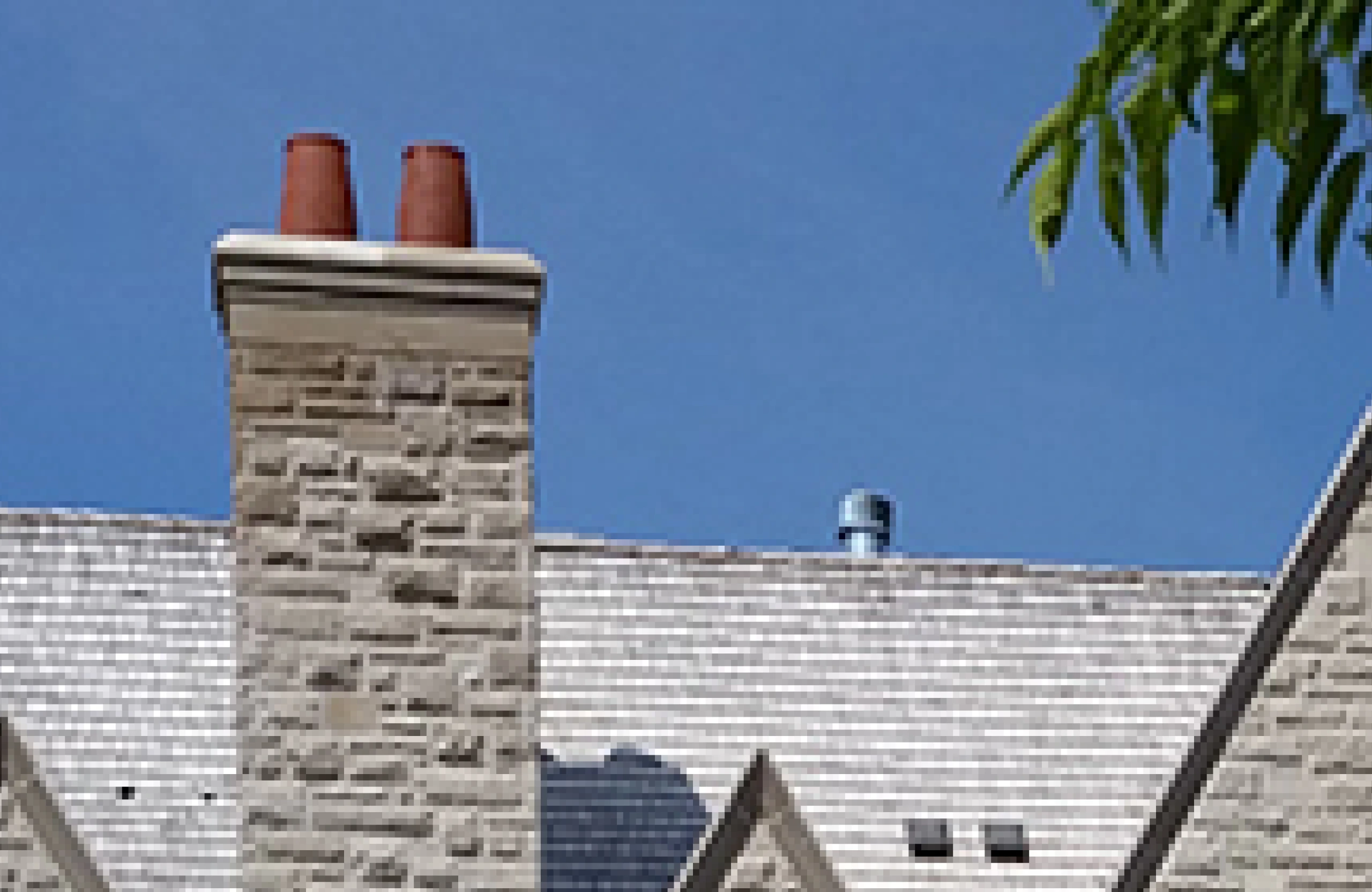
Bricklaying is a specialized discipline within the masonry trade. A bricklayer works specifically with brick such as clay, concrete, or sand-lime to construct walls, facades, arches, chimneys, and decorative elements. The work demands precision in coursing, joint consistency, and level alignment across large surface areas.
An experienced bricklayer understands bond patterns, mortar types, and how brick behaves under load and weather exposure. In Ontario, where thermal movement and moisture infiltration are ongoing concerns, proper bricklaying technique is what separates work that lasts 40 years from work that begins failing within a decade.
When a chimney system needs repair, bricklaying skill is at the core of the work. Learn more about Stone Haven’s chimney repair services for Ontario properties.
The Core Difference: Scope of Practice
The simplest way to frame the difference between bricklaying and masonry: all bricklayers are masons, but not all masons are bricklayers. Masonry is the trade category covering brick, stone, concrete block, and composite construction. Bricklaying is one specific application within that trade, focused exclusively on brick.
When a property owner needs a brick wall rebuilt or a deteriorating facade restored, a skilled bricklayer is the right person for that scope. When a project involves stone cladding, block foundations, a chimney rebuild, or a complex restoration requiring multiple materials, a broader masonry capability is what the job demands.
For projects involving natural stone, Stone Haven’s stone restoration and reclamation services deliver the specialized masonry knowledge those scopes require.
When Both Skills Are Required
One of the most common scenarios where the difference between bricklaying and masonry becomes practically important is restoration work. Older properties across Southwestern Ontario were often built using a combination of brick, stone, and mortar formulations no longer in standard production. Restoring them correctly requires not just bricklaying skill but a broader masonry knowledge base.
Commercial and industrial projects frequently combine bricklaying and masonry in Ontario. For example, a commercial building may use CMU block as a structural core with brick veneer as the finished exterior. Stone Haven’s commercial masonry services cover both elements of that scope.
For new builds that integrate both bricklaying and masonry from the ground up, explore Stone Haven’s new construction masonry capabilities. For a broader introduction to Matthew Howe’s background in both disciplines, visit the Stone Haven about page.
External Resources on Masonry Standards and Trade Practice
For property owners and contractors seeking further technical context on masonry trade standards, these resources are useful references:
- Masonry Canada: The national hub for Canadian masonry contractors and professionals, providing industry-wide standards and technical support.
- Ontario Building Code: The official Government of Ontario portal for building regulations, including updates on the 2024 Code Compendium.
- Natural Resources Canada Energy Efficiency: The federal gateway for energy efficiency standards, providing data on thermal performance and sustainable building practices.
Stone Haven: Your Masonry Contractor in Southwestern Ontario
The difference between bricklaying and masonry is not just academic as it shapes the outcome of every project. Stone Haven Developments brings full masonry capability across all material types, combined with the precision bricklaying skills that demanding Ontario projects require.
Stone Haven serves property owners across Stratford, Kitchener, Waterloo, Guelph, Cambridge, Hamilton, London, Burlington, Oakville, and Milton. Every project is assessed honestly and approached with the craftsmanship that long-term results demand.
Frequently Asked Questions
1. Is bricklaying the same as masonry?
No. The difference between bricklaying and masonry comes down to scope. Bricklaying is a specialized discipline within the broader masonry trade. All bricklayers are masons, but not all masons are bricklayers. Masonry encompasses brick, stone, concrete block, and composite construction, while bricklaying focuses exclusively on brick. A project involving stone cladding, block foundations, or multi-material restoration requires broader masonry capability beyond bricklaying.
2. What skills does a professional bricklayer need?
A professional bricklayer needs skills in bond pattern execution, mortar mix preparation, course alignment and plumb checking, joint finishing, detailing at corners and openings, and an understanding of how brick behaves under load and in Ontario’s freeze-thaw climate. Knowledge of the correct brick grade and mortar type for the specific application is equally important. Stone Haven’s bricklayers bring these skills to every project.
3. Can a bricklayer do stone masonry work?
A bricklayer with experience exclusively in brick may not have the additional skills required for stone masonry, which involves working with irregular unit sizes, selecting and orienting units for structural and aesthetic purposes, and managing variable joint widths. A fully qualified mason with experience across both materials like Stone Haven’s team is the appropriate choice for projects combining brick and stone.
4. Do I need a mason or a bricklayer for my Ontario project?
If your project involves brick exclusively such as a brick wall, facade, chimney, or brick restoration, a skilled bricklayer is sufficient. If your project involves stone, concrete block, a multi-material restoration, or a scope that requires structural masonry knowledge beyond standard brick construction, you need a contractor with full masonry capability. Stone Haven Developments handles both.
5. How do I evaluate a bricklayer’s or mason’s experience?
Ask specifically about experience with the material type and application your project requires. Request examples of comparable completed work and references. Ask how they determine the correct mortar specification for your project and how deep they cut back mortar in repointing work. The clarity and specificity of their answers is a reliable indicator of the quality you will see in the finished work.
Ready to Discuss Your Project with Stone Haven?
If you are planning a masonry or bricklaying project and want a straightforward conversation about what it requires and what it will cost, Stone Haven Developments is ready to help. We assess every project honestly and recommend the approach that makes the most sense for your property and goals.
- Call: (519) 807-7529
- Email: info@stonehavendevelopments.com
- Request a free estimate: stonehavendevelopments.com/contact
Serving Stratford, Kitchener, Waterloo, Guelph, Cambridge, Hamilton, London, Burlington, Oakville, and Milton.
Key Takeaways
- The difference between bricklaying and masonry is scope: masonry covers all unit-based construction; bricklaying focuses specifically on brick.
- All bricklayers are masons, but not all masons are bricklayers as project complexity determines which skill set you need.
- Restoration projects on older Southwestern Ontario properties often require full masonry capability, not just bricklaying.
- Proper mortar selection and installation technique are critical in Ontario’s freeze-thaw climate regardless of the material used.
- Stone Haven Developments brings 17+ years of masonry and bricklaying experience across residential, commercial, and industrial projects.
- For brick-only scopes, Stone Haven’s bricklaying expertise delivers precision results. For multi-material projects, our full masonry capability handles the full scope.
- Contact Stone Haven Developments at (519) 807-7529 or visit stonehavendevelopments.com to discuss your project.