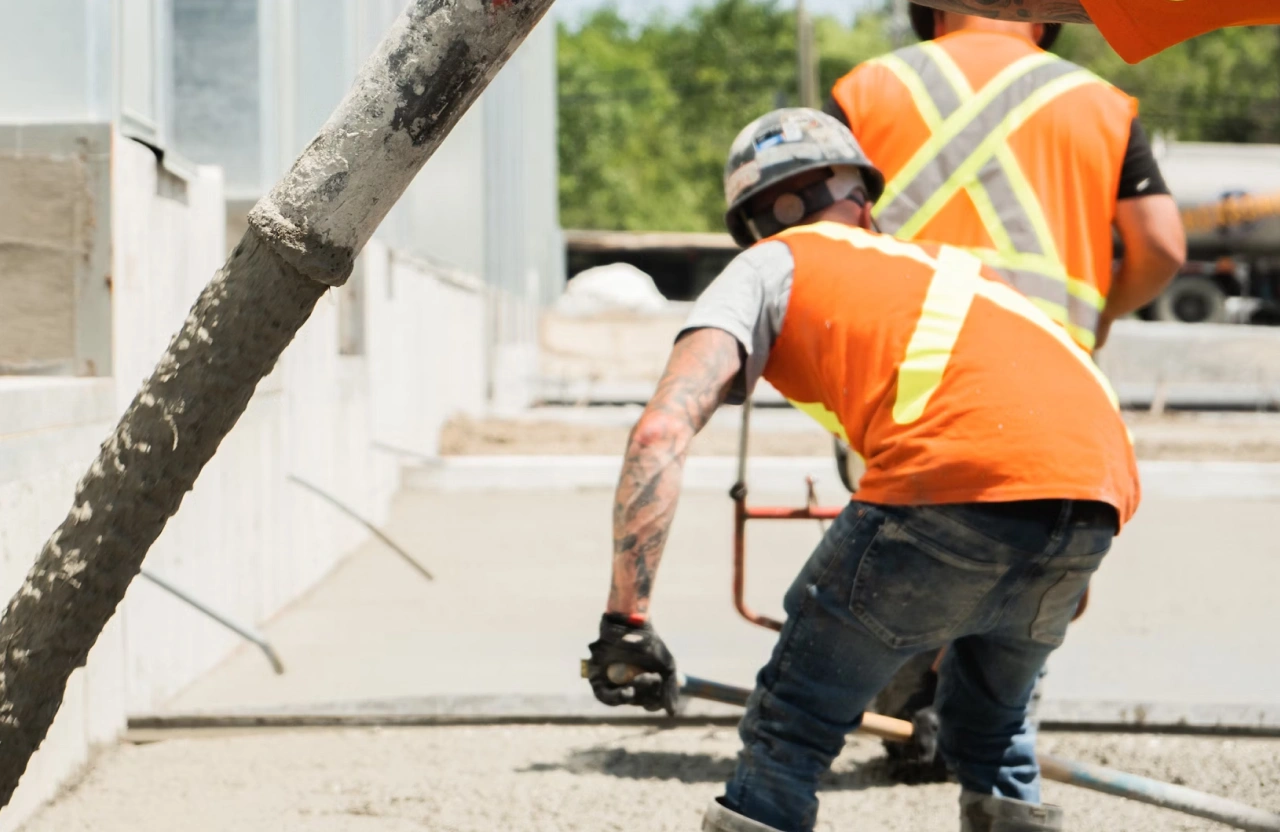
Institutional masonry contractors in Canada work on public buildings including schools, hospitals, government facilities, and post-secondary campuses, where code compliance, heritage sensitivity, and continuity of building operations are all critical factors. These projects require contractors with specific experience in institutional construction, knowledge of applicable Canadian standards, and the project management capacity to work around active public facilities. Stone Haven Developments provides institutional masonry services across Ontario for public and institutional clients.
What Is Institutional Masonry and Why Does It Differ from Commercial Work?
Institutional masonry refers to masonry construction, restoration, and repair work carried out on public and institutional buildings such as schools, hospitals, universities, government offices, courthouses, libraries, and community centres. These buildings are used by the public, often heritage-designated, and subject to strict procurement, safety, and performance standards that go beyond typical commercial project requirements.
The distinction from commercial masonry is significant. Institutional buildings are frequently in continuous use, meaning masonry work must be planned around occupied facilities, restricted access zones, and the operational schedules of institutions that cannot simply close for a renovation. Many institutional buildings in Canada were constructed between 1880 and 1970 using lime mortar, handmade brick, and stone, requiring contractors who understand historic construction methods and how to repair them without causing further damage.
Stone Haven Developments has worked on masonry projects involving heritage and institutional buildings across Southwestern Ontario. Their stone restoration and structural masonry capabilities are applicable to the specific demands of institutional building projects.
What Standards Apply to Institutional Masonry Work in Canada?
Institutional masonry in Canada is governed by a combination of national and provincial standards. The National Building Code of Canada provides the baseline structural and safety requirements that all provinces reference and adapt into their own building codes. In Ontario, the Ontario Building Code sets the provincial standard for masonry construction, with Part 4 provisions applying to most institutional buildings due to their occupancy class and size.
The Canada Masonry Design Centre publishes CSA A371, the standard for masonry construction in buildings, and CSA A179, which governs mortar and grout specifications. These standards are essential references for any contractor performing structural or restoration masonry on institutional buildings. For heritage-designated properties, additional guidelines from Parks Canada and provincial heritage authorities apply, requiring lime-compatible mortars, matching brick sourcing, and documentation of existing conditions before work begins.
Institutional procurement in Canada also requires contractors to carry higher insurance limits than typical commercial projects, often a minimum of five million dollars in commercial general liability, and to comply with workplace safety regulations including those set by provincial Ministries of Labour.
What Types of Institutional Masonry Projects Are Common in Canada?
Institutional masonry projects in Canada cover a broad range of scopes depending on the building type, age, and condition.
- Heritage brick restoration: Repointing, brick replacement, cleaning, and structural stabilization of masonry on designated heritage buildings such as historic courthouses, churches, and school buildings.
- Hospital and healthcare facility masonry: Facade restoration and structural masonry repairs on hospitals and medical facilities, often requiring work in infection-controlled environments with strict access protocols.
- School and university campus masonry: Exterior envelope repair, tuckpointing, lintel replacement, and parapet rebuilding on educational facilities, typically scheduled during summer months when buildings are unoccupied.
- Government building restoration: Masonry restoration on federal and provincial government buildings, often subject to Public Services and Procurement Canada standards and heritage conservation requirements.
- Community centres and libraries: Structural and cosmetic masonry repairs on municipally owned public facilities, typically procured through a public tender process.
Stone Haven Developments provides commercial masonry and stone restoration services suitable for institutional project types. Their experience with heritage materials and occupied-building scheduling makes them a viable option for institutional clients in Southwestern Ontario.
How Do You Evaluate an Institutional Masonry Contractor in Canada?
Evaluating an institutional masonry contractor requires a more rigorous process than selecting a contractor for standard commercial work. Institutional clients, including school boards, hospital corporations, and government departments, typically procure masonry services through a formal request-for-proposal or public tender process that includes mandatory submission requirements for experience, insurance, and safety programs.
When assessing a contractor’s suitability for institutional masonry, review their completed projects for building type alignment, specifically whether they have worked on schools, hospitals, or government buildings of comparable scale and heritage complexity. Confirm that the contractor holds an acceptable safety program, a current clearance certificate from the relevant provincial workers’ compensation board, and that their crews hold applicable trade certifications. Information about skilled trades certification and requirements in Ontario can be reviewed through Skilled Trades Ontario
For heritage institutional projects, ask specifically whether the contractor has experience with pre-Portland cement lime mortars, how they approach mortar analysis and matching, and whether they have completed work on provincially or federally designated heritage properties. Heritage conservation guidance and information about protected properties are available through the Ontario Heritage Trust. Stone Haven’s masonry expertise spans both modern and heritage masonry applications across Ontario.
Why Do Institutional Masonry Projects Require Specialized Scheduling?
Institutional buildings operate on schedules that directly constrain when masonry work can take place. Schools must complete exterior masonry projects primarily between June and August when buildings are unoccupied and access to facades and rooftops is unrestricted. Hospitals cannot suspend operations, which means masonry contractors must work in controlled zones with infection prevention protocols and may be restricted from certain building areas entirely during certain patient care hours.
Government buildings and courthouses often restrict access to secure areas and require contractors to submit personnel lists for security screening before work begins. These scheduling and access constraints affect both the project timeline and the cost of delivery, and contractors who have not worked in institutional environments consistently underestimate the administrative and logistical burden involved.
Stone Haven Developments applies structured project management to every institutional project, accounting for access restrictions, phased scheduling, and coordination with facility managers from the first planning meeting through final site cleanup.
Choosing an Institutional Masonry Contractor That Understands Public Buildings
Institutional masonry work in Canada demands a level of care, compliance, and coordination that not every masonry contractor can deliver. The combination of heritage sensitivity, public accountability, occupied-building logistics, and strict procurement standards narrows the field of qualified contractors considerably. Choosing a contractor who has worked successfully within these constraints reduces the risk of non-compliance, schedule disruptions, and costly material mismatches on heritage buildings.
Stone Haven Developments serves institutional and commercial clients across Ontario with masonry services that meet the demands of public building projects. Their team is available to assess institutional scopes, respond to tender requirements, and provide documentation of relevant project experience on request.
Request a Proposal from Stone Haven Developments
Stone Haven Developments provides institutional masonry services across Southwestern Ontario, including heritage restoration, structural repair, and envelope work for schools, government buildings, and public facilities. Their team has the trade credentials, project management structure, and heritage masonry experience that institutional procurement processes require. Contact Stone Haven to discuss your institutional project scope and request a written proposal from an experienced masonry contractor.
Frequently Asked Questions
1. What is an institutional masonry contractor in Canada?
An institutional masonry contractor in Canada is a masonry firm with experience building, restoring, and repairing masonry structures on public and institutional buildings such as schools, hospitals, government offices, universities, and community centres. These contractors must understand heritage construction methods, Canadian masonry standards, and the scheduling constraints of occupied public facilities. Stone Haven Developments provides commercial masonry and stone restoration services for institutional clients in Southwestern Ontario.
2. What standards apply to institutional masonry in Ontario?
Institutional masonry in Ontario must comply with the Ontario Building Code, CSA A371 for masonry construction in buildings, and CSA A179 for mortar and grout. Heritage-designated buildings require additional compliance with provincial heritage conservation guidelines and may reference Parks Canada conservation standards. Stone Haven’s stone restoration team works with heritage-appropriate materials and methods on designated buildings throughout the region.
3. How are institutional masonry projects typically procured in Canada?
Institutional masonry projects in Canada are typically procured through public tendering processes managed by school boards, hospital corporations, municipal governments, or provincial procurement agencies. These processes include mandatory submission requirements for insurance, safety programs, project references, and trade certifications. Contractors must meet all submission requirements to be eligible for evaluation. Stone Haven Developments is available to respond to institutional tenders and can provide project documentation through its construction consulting team.
4. Can institutional masonry work be done on occupied buildings in Ontario?
Yes, institutional masonry work can be performed on occupied buildings, but it requires careful phasing, access coordination, and safety planning to protect building users. Hospital projects require infection control protocols. School projects are typically scheduled during summer breaks. Government buildings may require security screening for contractor personnel. Stone Haven Developments manages occupied-building projects through its project management process, which accounts for these constraints from the planning stage forward.
5. What is the difference between institutional and commercial masonry in Canada?
Institutional masonry differs from commercial masonry primarily in the procurement process, heritage complexity, public accountability, and scheduling constraints involved. Institutional buildings are often heritage-designated, continuously occupied, and procured through formal public tender processes with mandatory compliance requirements. Commercial masonry typically involves private procurement, more flexible scheduling, and fewer heritage constraints. Contact Stone Haven to discuss how their team approaches institutional versus commercial masonry scopes.
Key Takeaways
- Institutional masonry contractors in Canada work on public buildings including schools, hospitals, universities, government offices, and community centres.
- Institutional projects are subject to CSA A371, CSA A179, the Ontario Building Code, and additional heritage conservation guidelines for designated properties.
- Heritage institutional buildings often require lime mortar, matching brick sourcing, and documentation of existing conditions before restoration work begins.
- Institutional procurement in Canada typically occurs through public tendering processes with mandatory submission requirements for insurance, safety programs, and project experience.
- Occupied institutional buildings require phased scheduling, access coordination, and safety protocols tailored to the specific building type (hospital, school, or government facility).
- Contractors working on institutional masonry in Canada should carry commercial general liability insurance at a minimum of five million dollars and current workers’ compensation clearance.
- Stone Haven Developments provides institutional masonry services across Southwestern Ontario with heritage masonry capability and structured project management.