A Structural Element Most Property Owners Overlook Until It Fails
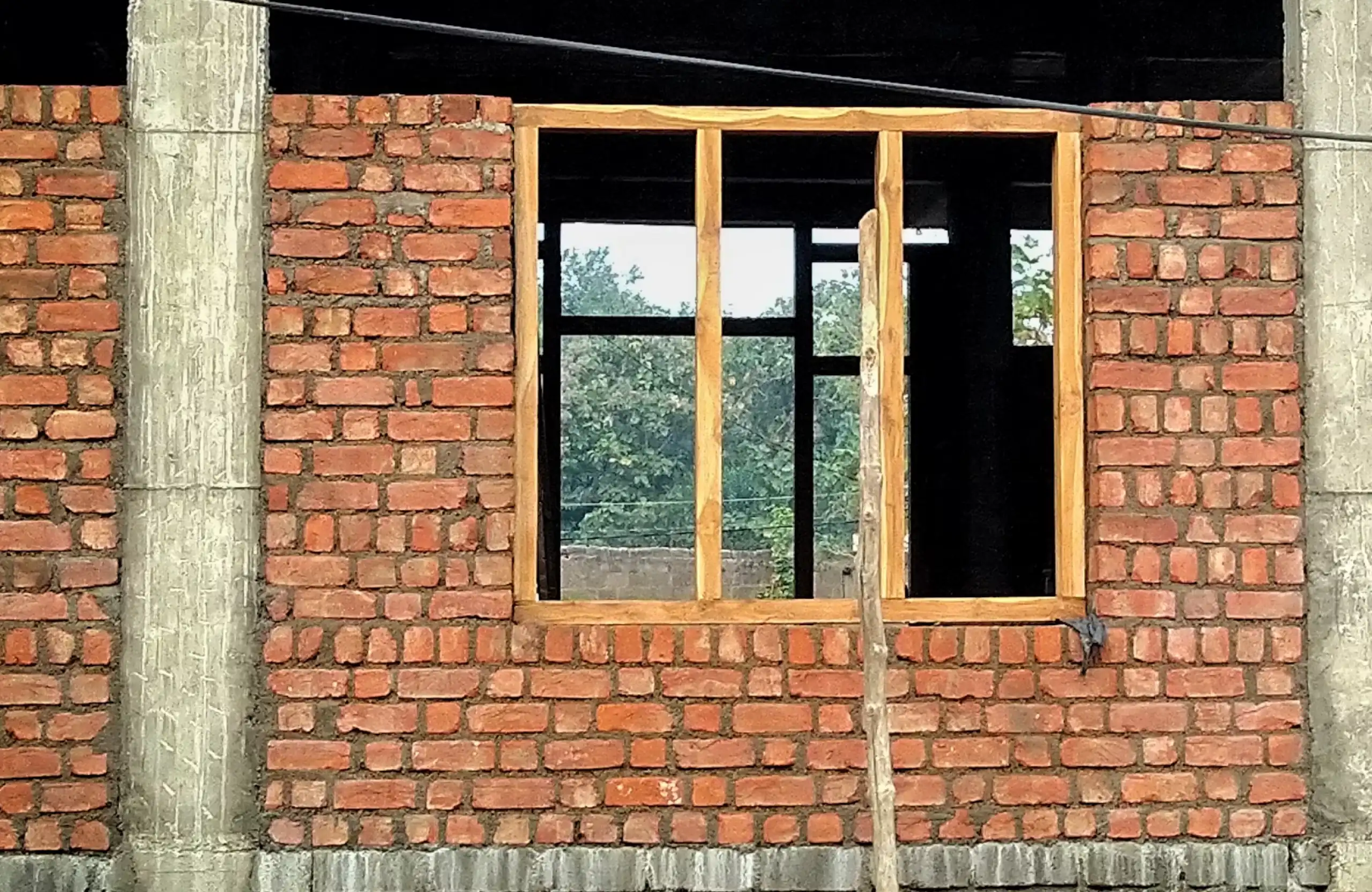
Every opening in a masonry wall, every window, every door, every garage entry requires a structural element above it to carry the weight of the masonry that would otherwise bear directly onto the opening. That element is a lintel. It is one of the most load-critical components in any masonry building, and it is also one of the most consistently neglected until visible failure makes it impossible to ignore.
Property owners across Southwestern Ontario encounter lintel problems more frequently than most realize. Cracking above windows, sticking doors, bowing brick courses, and rust staining on masonry facades are all common symptoms of lintel deterioration symptoms that, when left unaddressed, progress from cosmetic concerns into structural ones on a timeline that Ontario’s climate conditions accelerate considerably.
Stone Haven Developments has been assessing, repairing, and replacing lintels across residential and commercial masonry structures in Southwestern Ontario for 17 years. This guide gives property owners a thorough understanding of what lintels are, how they work, why they fail, and what proper repair or replacement involves.
What Is a Lintel?
A lintel is a horizontal structural member positioned across the top of an opening in a masonry wall a window, door, archway, or any other gap in the wall plane to carry the weight of the masonry above and transfer that load to the masonry on either side of the opening. Without a lintel, the masonry above an opening has nothing to bear against and will crack, shift, or collapse toward the void below.
Lintels in masonry construction are most commonly made from steel, reinforced concrete, or a combination of both. In older residential construction across Ontario, wood lintels were used in some applications and stone lintels are found in heritage masonry buildings throughout the region. Each material type carries different structural characteristics, different maintenance considerations, and different failure patterns under Ontario’s climate conditions.
The term lintel beam is used interchangeably with lintel in most practical conversations, though strictly speaking a beam implies a deeper structural member carrying load over a longer span. In standard residential masonry construction, the lintel above a window or door opening is typically a steel angle iron, a precast concrete unit, or a steel channel section. In commercial and industrial masonry with wider openings, deeper beam sections or reinforced concrete lintels engineered for the specific span and load are the standard.
How Lintels Work in a Masonry Wall
Understanding how a lintel functions within the wall assembly gives property owners the context to recognize why lintel failure produces the specific damage patterns it does.
A lintel spans the opening below and bears on the masonry at each end the bearing area where the lintel rests on solid masonry at either side of the opening. The masonry above the lintel, together with any floor, roof, or structural loads above, bears down on the lintel across its full span. The lintel transfers those loads to the bearing points at each end, which transmit them into the masonry piers on either side of the opening and down through the wall assembly to the foundation.
This means the lintel is always under load whenever the building is standing. It is not a passive element it is actively carrying and transferring structural forces every day of the building’s life. When the lintel’s capacity to perform that function is compromised by corrosion, cracking, inadequate bearing, or deterioration of the surrounding masonry, the loads it was carrying have to go somewhere else. They typically go into cracking the masonry above the opening, distorting the opening itself, and over time creating structural movement that extends well beyond the immediate area of the lintel.
Types of Lintels in Ontario Masonry Construction
Steel Angle Lintels
Steel angle lintels L-shaped steel sections positioned with one leg horizontal under the first course of brick and one leg vertical against the backing wall are the most common lintel type in residential brick masonry construction across Ontario. They are relatively economical, straightforward to install, and structurally effective for the spans encountered above standard residential windows and doors.
Steel angle lintels have one significant vulnerability in Ontario’s climate: corrosion. Steel that is exposed to moisture through failed mortar joints above the lintel, through inadequate flashing at the lintel bearing, or through water infiltration from above rusts. Rust occupies a larger volume than the original steel, and that expansion generates outward pressure on the surrounding brick. The result is the characteristic horizontal cracking or step cracking above window and door openings that is one of the most recognizable signs of lintel corrosion on Ontario residential properties.
Once a steel lintel has begun corroding, the process is self-reinforcing. Rust creates pathways for more moisture, which accelerates further corrosion and generates increasing expansion pressure on the masonry. Addressing a corroding steel lintel promptly before the expansion damage has progressed significantly into the surrounding brick is considerably less expensive than waiting until full lintel replacement and brick repair are required simultaneously.
Precast Concrete Lintels
Precast concrete lintels are manufactured units cast to standard sizes and used across residential and commercial masonry in Ontario. They are not subject to the corrosion vulnerability of steel, but they carry their own failure risks. Precast concrete can crack under overloading, through freeze-thaw stress if moisture has penetrated the unit, or through inadequate bearing at the ends. Reinforcing steel within a precast lintel can corrode if the concrete cover is insufficient or has been compromised, producing cracking and spalling in the concrete similar to the expansion damage seen with corroding steel angle lintels.
Reinforced Concrete Lintels
Cast-in-place reinforced concrete lintels are used on larger commercial and industrial masonry openings where the span and load demands exceed what precast units or steel angles can accommodate. These are engineered elements with reinforcing steel sized and positioned for the specific structural requirements of the opening. Their performance depends on the quality of the original concrete placement, the adequacy of the reinforcing steel cover, and the integrity of the concrete over time as Ontario’s climate tests it.
Stone Lintels
Stone lintels are found in heritage masonry buildings across Southwestern Ontario, particularly in limestone construction common to the region. Stone lintels are strong in compression but relatively weak in tension, which means they can crack if overloaded or if differential settlement has occurred in the supporting masonry on either side of the opening. Stone lintel repair on heritage buildings requires careful assessment of the crack pattern, the load condition, and the options for repair or replacement that maintain the character and integrity of the original construction.
Wood Lintels
Wood lintels appear in older residential construction and in some interior masonry applications. Exterior wood lintels are highly vulnerable to moisture deterioration in Ontario’s climate, and properties with original wood lintels above exterior openings that have not been replaced or protected are likely to show signs of deterioration if the building is more than a few decades old. Rotted wood lintels provide little structural support and should be assessed and replaced promptly.
Why Lintels Fail in Ontario
Corrosion of Steel Lintels
As described above, corrosion is the dominant failure mechanism for steel angle lintels in Ontario’s residential masonry. The combination of moisture infiltration through the wall above, inadequate or failed flashing at the lintel position, and Ontario’s freeze-thaw cycling creates conditions that accelerate corrosion beyond what would occur in a drier climate. Properties built in the 1960s through 1990s with standard steel angle lintels that have not been assessed or maintained are at significant risk of active lintel corrosion that may not yet be producing visible facade cracking.
Inadequate Bearing Length
A lintel must bear on solid masonry for an adequate length at each end typically a minimum of 100 to 150 millimetres for residential spans to transfer its load effectively into the wall. Lintels with insufficient bearing length concentrate load at the end bearing points, which can cause crushing of the mortar joints at those locations, cracking in the masonry directly above the bearing, and over time a loss of the bearing support the lintel depends on to carry its span.
Failed Flashing and Moisture Management
Flashing above lintels specifically, the through-wall flashing that directs water that has entered the wall cavity out to the exterior at the lintel level is a critical moisture management detail that determines how long a steel lintel remains free of active corrosion. When flashing is absent, improperly installed, or has failed over time, water that migrates through the masonry above collects at the lintel level and accelerates corrosion directly. This is one of the most common installation deficiencies in Ontario residential masonry from the mid-twentieth century, and it explains why so many properties of that era are showing lintel corrosion symptoms today.
Overloading
Lintels are sized for the loads anticipated at the time of construction. Structural modifications to the building above removal of walls that were assumed to be non-load-bearing, addition of floor or roof loads, or modifications to the structural system above an opening can impose loads that exceed what the original lintel was designed to carry. Overloading typically produces mid-span cracking or deflection in the lintel and cracking in the masonry above the opening.
Recognizing Lintel Problems on Your Property
The following symptoms are worth having assessed by a masonry professional, particularly on properties more than 20 to 30 years old.
Horizontal cracking running above a window or door opening, typically one to three courses above the lintel position, is the most characteristic sign of steel lintel corrosion expansion. Step cracking diagonal cracking that follows the mortar joints in a stair-step pattern above or beside an opening often reflects the differential movement that lintel failure or inadequate bearing produces in the surrounding masonry.
Rust staining on the masonry face below or at the sides of a window or door opening indicates that corrosion products are being carried to the surface by water moving through the wall. This is a direct indicator of active steel corrosion within the wall assembly.
Bowing or displacement of brick courses above an opening where the masonry has moved outward from the wall plane indicates that corrosion expansion pressure or structural movement has physically displaced masonry units. This is an advanced failure condition that requires prompt professional assessment.
Doors or windows that have become difficult to operate, particularly where the difficulty is new and has developed gradually, can indicate that structural movement above the openin related to lintel performance or the masonry bearing on either side has altered the geometry of the opening frame.
What Lintel Repair and Replacement Involves
Lintel repair or replacement is a structural scope of work, not a cosmetic one. The approach depends on the lintel type, the extent of deterioration, the condition of the surrounding masonry, and the accessibility of the lintel position.
For steel angle lintels showing early-stage corrosion where the structural section is still sound, rust removal, application of rust-inhibiting treatment, and repointing of the joints above the lintel with correctly specified mortar combined with proper flashing installation or repair to manage future moisture can extend the serviceable life of the lintel and arrest the expansion damage before it progresses further.
For steel lintels where corrosion has progressed to the point where the structural section is compromised, or where expansion damage has displaced multiple courses of brick, full lintel replacement is the appropriate scope. This involves carefully removing the affected masonry above the opening, extracting the deteriorated lintel, installing a new correctly sized and properly protected lintel with through-wall flashing, and relaying the masonry above with appropriate mortar and joint finishing.
Lintel replacement on an occupied building requires temporary support of the masonry above the opening during the removal and replacement process. This is a detail that directly affects both the structural integrity of the work and the safety of the people in the building, and it is one of the primary reasons lintel repair and replacement should be performed by qualified masonry contractors rather than general handymen or property owners attempting to manage the work themselves.
Stone Haven Developments assesses lintel conditions thoroughly before recommending repair or replacement, provides an honest scope description for each approach, and executes the work with the structural care and quality standard that a load-carrying element demands.
Lintel and Masonry Services Across Southwestern Ontario
Stone Haven Developments serves property owners and project partners across Stratford, Kitchener, Waterloo, Guelph, Cambridge, Hamilton, London, Burlington, Oakville, and Milton. Whether your property requires lintel assessment, targeted lintel repair, full lintel replacement with brick restoration, or any other masonry scope, our team brings 17 years of structural masonry experience and the professional discipline to deliver work that protects your building for the long term.
As a full-service general contractor, we also offer project management, new construction, building development, and commercial financing for qualified builds, giving property owners a single, trusted partner across the full scope of a project.
Ready to Have Your Lintels Assessed?
If your property is showing cracks above windows or doors, rust staining on the facade, or any of the other symptoms described in this guide, contact Stone Haven Developments for a site assessment. We serve property owners across Southwestern Ontario with the expertise and transparency that structural masonry decisions require.