Knowing when to replace vs repair brick depends on the extent of damage, the condition of the mortar joints, and whether the issue is cosmetic or structural. This guide gives Ontario property owners a clear framework for making that decision with confidence.
The Repair vs Replace Decision Starts with Damage Assessment
Every brick wall tells a story. Small mortar cracks, surface discolouration, and minor spalling are common on properties that have weathered a few Ontario winters. These signs do not automatically mean the wall needs to come down. But they do require honest evaluation.
The decision of when to replace vs repair brick comes down to three factors: how deep the damage goes, how widespread it is, and whether the bricks themselves have lost structural integrity. A qualified masonry services contractor can determine which category your wall falls into during an on-site assessment.
When Brick Repair Is the Right Call
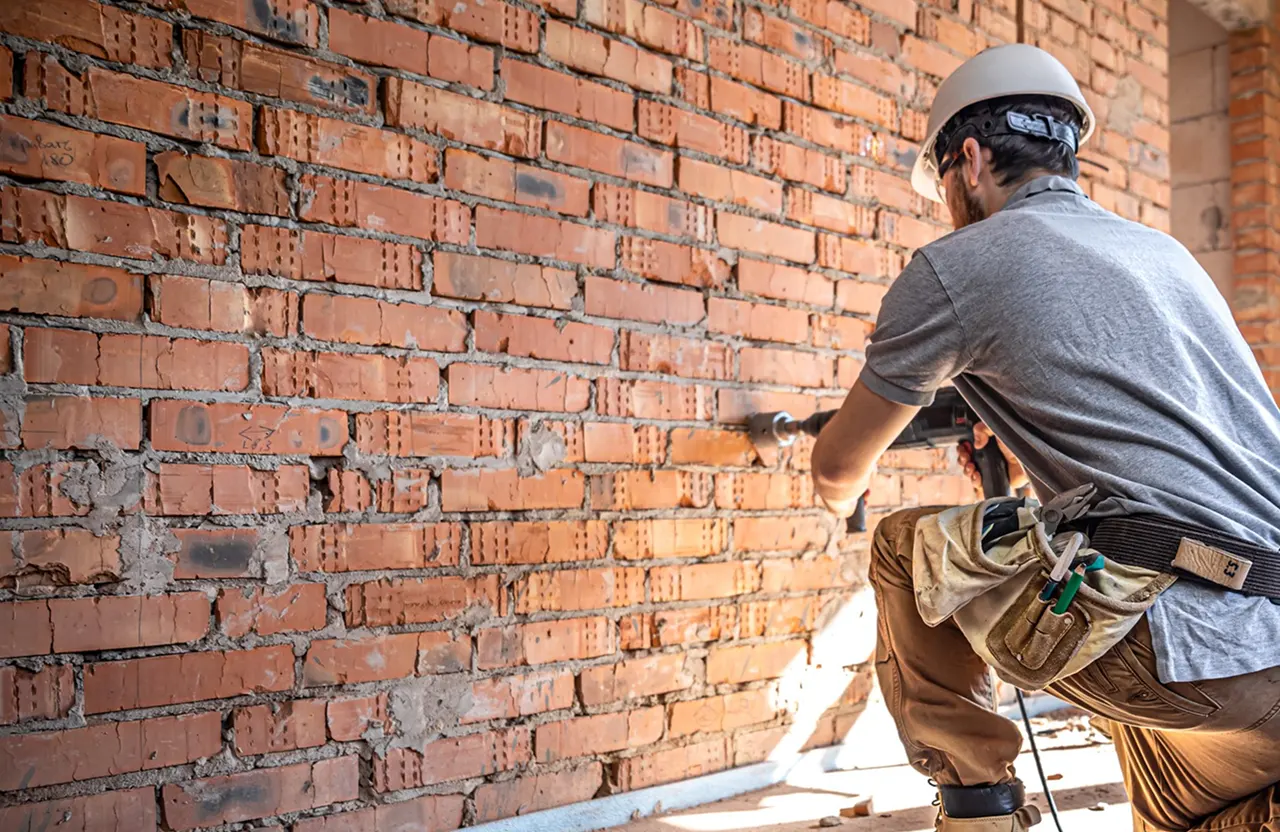
Repair makes sense when the bricks themselves are still sound and the damage is limited to the mortar joints or a small number of individual units. Repointing (also called tuckpointing) is the most common brick repair method. It involves removing deteriorated mortar to a consistent depth and replacing it with fresh material that matches the original profile.
Repair is typically the right approach when mortar joints show surface erosion but the bricks remain intact, fewer than 10 to 15 percent of bricks in a section show spalling (surface flaking), cracks follow mortar joints and have not migrated through the bricks, and the wall is plumb with no visible bowing or leaning.
A skilled mason can also replace individual damaged bricks without disturbing the surrounding wall. This targeted approach keeps costs low and preserves the character of the original brickwork, which is especially important on heritage or older properties.
When Full Brick Replacement Becomes Necessary
Replacement is the better path when the damage has moved beyond what repointing and spot repairs can address. Here are the indicators that point toward full or partial wall replacement.
Widespread spalling across more than 20 to 30 percent of the wall surface means the bricks have absorbed excessive moisture and lost their outer face. Once a brick spalls, it deteriorates faster because the soft interior is now exposed to weather. At this stage, patching individual bricks becomes a losing battle.
Structural shifting visible as bowing, leaning, or separation from the building frame means the wall system has failed, not just the surface material. This requires proper restoration work that may include demolishing and rebuilding the affected sections with proper ties and structural support.
Persistent moisture problems behind the brick veneer are another strong signal. If water is consistently entering the building envelope through the brick wall despite repointing efforts, the wall assembly itself may need to be rebuilt with proper flashing and drainage provisions. The Canada Mortgage and Housing Corporation provides guidance on proper brick veneer wall assemblies for Canadian climates.
How Cost Compares Between Repair and Replacement
For most Ontario properties, repointing costs between $8 and $15 per square foot. Individual brick replacement runs $15 to $30 per brick, including matching and installation. Full wall section replacement typically ranges from $25 to $45 per square foot, depending on the scope, wall height, and brick selection.
Repair is almost always less expensive in the short term. But repeated repairs on a wall that truly needs replacement can add up quickly. If you have had the same section repointed two or three times within a decade and the problem keeps returning, the underlying issue likely requires a more comprehensive solution.
Commercial Properties Face Additional Considerations
On commercial buildings, brick wall decisions carry added weight. Building code compliance, occupancy requirements, and insurance considerations all factor in. A commercial masonry assessment should include a structural evaluation, material testing if the building is older, and a clear scope that addresses both immediate repairs and long-term wall performance.
Property managers overseeing multiple buildings benefit from a planned approach through professional project management that prioritizes the most critical repairs first and stages less urgent work across budget cycles.
For properties requiring broader evaluation, professional construction consulting can help you develop a phased maintenance plan that protects your investment without overextending your annual capital budget.
Make the Decision That Protects Your Investment
Choosing when to replace vs repair brick is not a one-size-fits-all answer. It depends on the wall’s current condition, the building’s age, your budget, and your long-term plans for the property. The right masonry contractor will give you an honest assessment rather than defaulting to the most expensive option. Stone Haven Developments provides straightforward evaluations and detailed estimates for property owners across Southwestern Ontario.
Frequently Asked Questions
1. How do I know if my brick wall needs repair or replacement?
If the mortar joints are eroded but the bricks are intact, repair (repointing) is usually sufficient. If more than 20 to 30 percent of bricks are spalling, the wall is bowing, or moisture problems persist after repairs, replacement is likely the better investment.
2. Is repointing a permanent fix?
Quality repointing using the correct mortar type for your bricks can last 25 to 30 years. It is considered a long-term maintenance solution rather than a temporary patch.
3. Can I replace just part of a brick wall?
Yes. Partial wall replacement (sometimes called a section rebuild) is common. A mason removes the damaged section, ties the new brickwork into the existing wall, and matches the brick and mortar as closely as possible.
4. What happens if I ignore deteriorating brickwork?
Ignoring brick deterioration allows moisture to penetrate deeper, accelerating spalling and mortar loss. Over time, this compromises the wall’s structural integrity and can lead to interior water damage, mould growth, and significantly higher repair costs.
5. Does brick colour matching matter during repair?
Colour matching is important for both appearance and property value. A skilled mason will source bricks that match the original in colour, texture, and size. On heritage properties, this step is especially important to maintain the building’s character.
Get an Honest Brick Assessment
Not sure whether your brick walls need repair or replacement? Reach out to Stone Haven Developments for a no-obligation consultation. We will walk your property, assess every wall section, and give you a clear recommendation backed by 17+ years of masonry expertise.
Key Takeaways
- Repair (repointing) is appropriate when bricks are intact and damage is limited to mortar joints or a small number of units
- Replacement is necessary when spalling exceeds 20–30%, the wall is bowing, or moisture problems persist after repair
- Repair costs significantly less upfront, but repeated repairs on a failing wall can exceed replacement costs over time
- Commercial properties face additional code, insurance, and structural evaluation requirements
- An honest on-site assessment from an experienced mason is the best starting point for this decision