A well-built brick chimney can last 75 to 100 years or more in Ontario, but the mortar joints, crown, flashing, and liner that protect it typically need attention every 20 to 30 years. The structure outlasts its components, which means regular inspection and targeted repair is almost always preferable to a full rebuild.
What Is the Typical Lifespan of a Brick Chimney in Ontario?
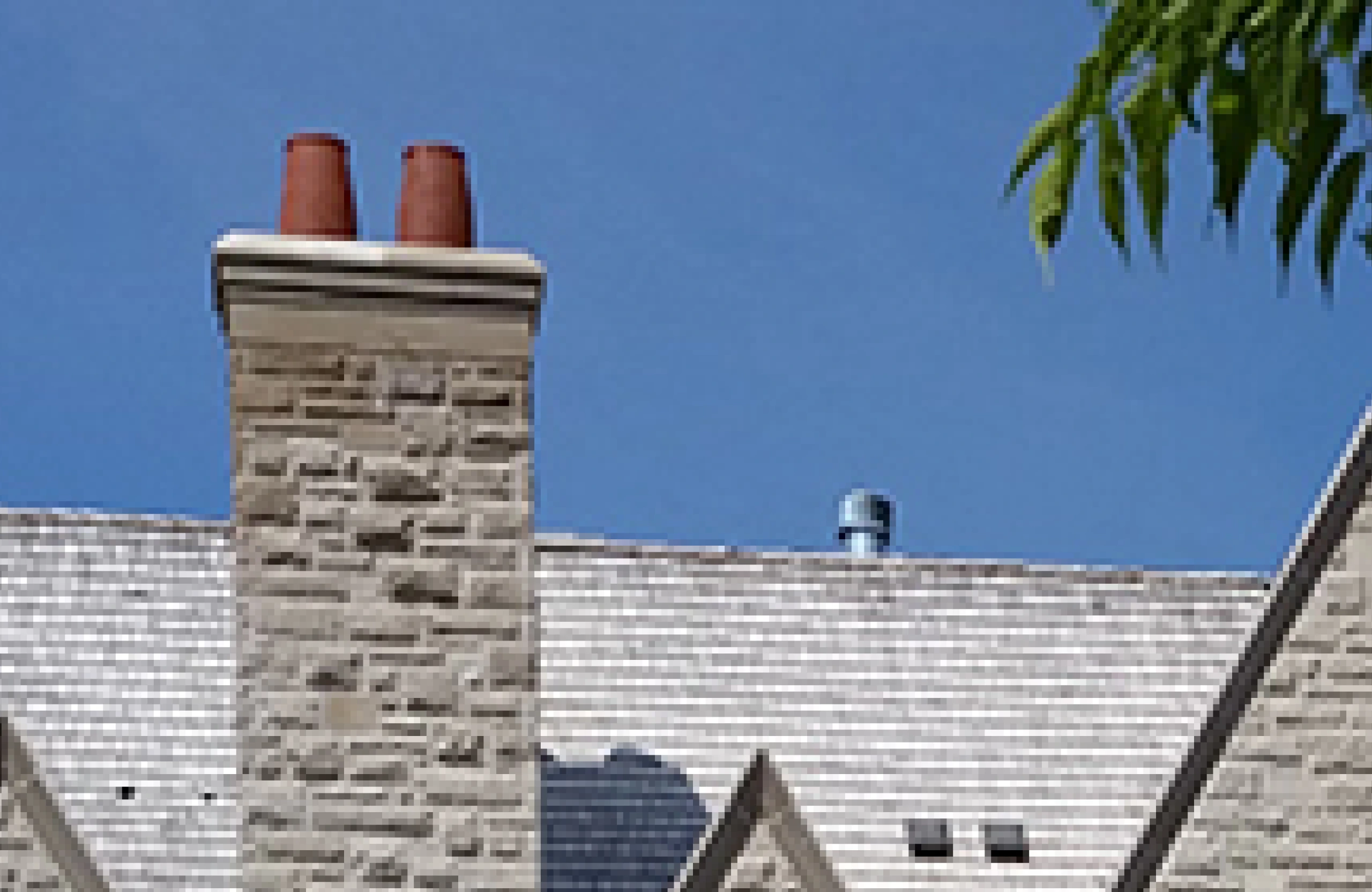
The brick masonry structure of a chimney, when originally built to standard and maintained over its life, is one of the most durable elements of a residential property. In Ontario’s climate, a properly constructed brick chimney can remain structurally sound for 75 to 100 years or longer. Heritage properties across Southwestern Ontario have chimneys that have stood for well over a century with appropriate care.
The more useful question for most homeowners is not how long the chimney structure lasts, but how long each individual component of the chimney system lasts. The brick itself is only one part of a system that includes mortar joints, the chimney crown, the cap, the flashing at the roofline, and the flue liner inside. Each of these components has a different lifespan, and the failure of any one of them can cause damage to the others if left unaddressed.
Stone Haven Developments has completed chimney repair and restoration work across Southwestern Ontario since 2018. The lifespan information in this guide reflects real-world experience with Ontario chimneys across a wide range of ages and conditions.
How Long Does Each Part of a Brick Chimney Last?
Understanding chimneys by component gives you a much clearer picture of what to expect and when to act. The table below summarizes typical lifespans for each part of a standard brick chimney in Ontario’s climate:
|
Chimney Component |
Typical Lifespan |
Primary Threat in Ontario |
|
Brick masonry structure |
75 to 100+ years |
Freeze-thaw cycling, water ingress |
|
Mortar joints |
25 to 30 years |
Weather exposure, freeze-thaw cycling |
|
Chimney crown |
20 to 30 years |
Cracking from thermal expansion |
|
Chimney cap (metal) |
15 to 25 years |
Rust, wind damage |
|
Flashing |
15 to 25 years |
Movement at roof-chimney joint |
|
Clay flue tiles |
50 to 75 years |
Thermal shock, acidic condensate |
|
Stainless steel liner |
20 to 30 years |
Corrosion from acidic flue gases |
These ranges assume a chimney that was originally built to the standards of its era and has been used and maintained at a basic level. A chimney that has been left entirely without maintenance, exposed to persistent water ingress, or subjected to significant thermal stress from an oversized appliance or a flue fire may deteriorate faster across every component.
Why Do Mortar Joints Fail So Much Sooner Than the Brick?
This is the question that surprises most homeowners. The brick in a chimney can last a century, but the mortar holding those bricks together often needs attention after 25 to 30 years. In Ontario, the primary reason is freeze-thaw cycling.
Mortar is more porous than fired brick, which means it absorbs more water. When that water freezes and expands during Ontario winters, it stresses the mortar from the inside. Over decades, this process gradually erodes the mortar joints, pulling them away from the brick faces and creating gaps that allow even more water to penetrate. Left unaddressed, deteriorating mortar allows water to reach the brick itself, the inner structure of the chimney, and eventually the interior of the home.
The repair process for deteriorating mortar joints is called repointing or tuckpointing, and it is significantly less expensive than a chimney rebuild. When caught at the right stage, repointing a chimney can extend the life of the structure by another 25 to 30 years without disturbing the brick at all. Stone Haven Developments’ masonry restoration work includes repointing across a wide range of chimney conditions and ages.
What Role Does the Chimney Crown Play in Chimney Lifespan?
The chimney crown is the concrete or mortar cap that sits at the very top of the chimney, surrounding the flue opening. Its purpose is to direct water away from the flue and the interior of the chimney structure. A properly formed crown extends slightly beyond the chimney’s face and slopes outward to shed rain.
Crowns are exposed to the most severe weather conditions of any chimney component. Thermal expansion and contraction causes cracking over time, particularly if the crown was not properly mixed or formed when the chimney was built. Once a crown develops significant cracks, water enters the joint between the crown and the flue liner, accelerating deterioration of both the liner and the surrounding brickwork.
Most chimney crowns need inspection every five to ten years and repair or replacement every 20 to 30 years in Ontario’s climate. A cracked crown is one of the most common findings in a chimney inspection and one of the most cost-effective repairs to address early.
How Does the Ontario Climate Affect Brick Chimney Lifespan?
Ontario’s climate is one of the most demanding for masonry structures in Canada. The province experiences significant seasonal temperature swings, with winter lows well below freezing and summer highs that stress mortar and sealants. The freeze-thaw cycles that affect chimneys in Ontario are more frequent and more severe than in milder climates, which is why chimneys here often show component wear faster than the same structures would in warmer or drier regions.
Freeze-thaw cycling
Ontario typically experiences dozens of freeze-thaw cycles per winter season. Each cycle puts mechanical stress on mortar joints, crowns, and any sealant applied to the chimney surface. Brick and mortar expand and contract at slightly different rates, which over many years creates micro-fractures that allow water infiltration.
Ice damming and snow load
In colder parts of Southwestern Ontario, ice can form at the junction of the chimney and the roofline, creating pressure on the flashing and driving water under the roof surface. This is a specific failure mode for chimney flashing that is common in Ontario but less frequently discussed than freeze-thaw damage to the masonry itself.
Acidic condensate from modern appliances
Older chimneys were designed to vent wood-burning fireplaces and high-temperature appliances that kept the flue warm and dry. Modern high-efficiency gas furnaces and inserts produce flue gases that are cooler and more acidic, which can accelerate deterioration of clay tile liners that were not designed for these conditions. This is one of the primary reasons chimney liner replacement has become more common in Ontario over the past two decades.
What Are the Early Warning Signs That a Brick Chimney Needs Attention?
Most chimney problems are progressive. What begins as a small crack in a mortar joint or a hairline fracture in the crown becomes a serious structural issue if ignored over several seasons. These are the signs that indicate your chimney needs professional assessment:
- Visible gaps or crumbling in the mortar joints between bricks, particularly near the top of the chimney where weather exposure is greatest
- Cracking, spalling, or flaking of the brick faces, which indicates that water has been penetrating the masonry and freezing within the brick itself
- Cracks in the chimney crown, particularly where the crown meets the flue liner
- Efflorescence, the white powdery residue that appears on brick surfaces when water moves through the masonry and deposits minerals on the surface
- Water staining or dampness on interior walls or ceilings near the chimney, which indicates that water is entering the structure
- A damaged, missing, or rusted chimney cap, which allows rain, birds, and debris to enter the flue directly
- Separation or visible gaps in the flashing where the chimney meets the roof surface
Stone Haven Developments’ chimney repair service covers assessment and repair across all of these conditions. If you are seeing any of these signs, the earlier a professional assessment is completed, the more cost-effective the repair is likely to be.
When Is a Full Chimney Rebuild Necessary Rather Than Repair?
Most chimney problems do not require a full rebuild. Targeted repairs to mortar joints, the crown, the cap, the flashing, or the liner address the vast majority of conditions that affect Ontario chimneys over their lifespan. A full rebuild becomes necessary in the following circumstances:
- The brick structure has sustained significant spalling or freeze-thaw damage across multiple courses, compromising the structural integrity of the chimney
- The chimney has leaned, settled, or separated from the main structure of the building
- A chimney fire has caused cracking or collapse of the flue liner and heat damage to the surrounding masonry
- Water damage has penetrated the chimney’s interior over many years and compromised the mortar and brick throughout the stack, not only at the surface
- The chimney was not originally built to the standards required for the appliance it is serving and cannot be safely retrofitted
Understanding when repair is sufficient versus when a rebuild is the responsible recommendation is one of the most important things a qualified masonry contractor brings to a chimney assessment. Stone Haven Developments provides honest assessments and written proposals that clearly distinguish between what is necessary and what is optional. You can review when chimney rebuilding is warranted in more detail for a broader overview of rebuild triggers.
How Much Does It Cost to Extend a Brick Chimney’s Life in Ontario?
The cost of chimney maintenance and repair in Ontario varies by the type of work required and the scope of the problem. As a general reference for planning purposes:
- Chimney inspection by a qualified masonry contractor: $150 to $400 depending on scope and access
- Mortar joint repointing on a standard residential chimney: $500 to $2,500 depending on height, access, and extent of deterioration
- Chimney crown repair or replacement: $300 to $1,200
- Chimney cap replacement: $150 to $500 including hardware and installation
- Flashing repair or replacement at the roofline: $400 to $1,500 depending on chimney size and configuration
- Flue liner replacement with a stainless steel liner: $1,500 to $4,000 or more depending on chimney height and flue configuration
- Partial chimney rebuild covering damaged upper courses: $2,000 to $6,000 depending on scope
- Full chimney rebuild from roofline: $4,000 to $15,000 or more depending on height, access, and brick matching requirements
These figures are general reference ranges only and are not a guarantee of pricing for any specific project. Stone Haven Developments provides detailed written proposals for all chimney work after a site assessment. You can also review the chimney rebuild cost guide for a more detailed breakdown of rebuild pricing across different chimney configurations in Ontario.
How Do You Maximize the Lifespan of a Brick Chimney in Ontario?
A brick chimney that receives appropriate care over its life will almost always outlast one that is ignored until a problem becomes obvious. These are the maintenance practices that have the greatest impact on chimney longevity in Ontario:
Annual visual inspection
A visual inspection of the chimney from grade level and from inside the home costs nothing and takes ten minutes. Look for visible cracking in the crown, mortar joint deterioration near the top of the stack, efflorescence on the brick face, gaps in the flashing, and any water staining on interior surfaces near the chimney.
Professional inspection every five years
A professional chimney inspection by a qualified masonry contractor provides a ground-level and close-range assessment that visual inspection from below cannot replicate. For chimneys serving active wood-burning appliances, annual professional inspection is recommended. For chimneys serving gas appliances or those used infrequently, every three to five years is a reasonable interval.
Prompt repair of mortar joint deterioration
Repointing mortar joints when deterioration is first identified, rather than waiting until it becomes severe, is the single most cost-effective maintenance action for a brick chimney in Ontario. Catching mortar joint failure early prevents water from reaching the brick and the chimney interior, which keeps the structural repair bill dramatically lower.
Keeping the cap and crown in good condition
A functional chimney cap prevents water, birds, and debris from entering the flue. A sound chimney crown prevents water from pooling at the top of the stack and entering the junction between the crown and the liner. Both are relatively inexpensive to maintain and replace when needed, and both protect components that are significantly more expensive to repair.
Chimney waterproofing
A breathable masonry waterproofing treatment applied by a qualified masonry contractor can significantly reduce water absorption into the brick and mortar, which reduces the rate of freeze-thaw damage over time. This treatment does not seal the chimney surface permanently and allows moisture vapour to escape from within the masonry, which is important for preventing internal pressure buildup. Stone Haven Developments’ masonry services include waterproofing as part of chimney maintenance programs.
How Stone Haven Developments Assesses and Extends Chimney Lifespan
Stone Haven Developments is a full-service masonry company serving homeowners and property owners across Southwestern Ontario. Owner Matthew Howe has 17 years of hands-on masonry experience that includes chimney repair, repointing, crown repair, liner assessment, and full chimney rebuilds across a wide range of property types and chimney ages.
Every chimney assessment begins with a site visit and a clear written report of findings. The proposal that follows distinguishes between repairs that are structurally necessary, repairs that are strongly recommended to prevent near-term deterioration, and maintenance items that can be scheduled over a longer horizon. Nothing is recommended that is not warranted by the actual condition of the chimney.
You can review examples of chimney repair and restoration work in the Stone Haven gallery, and learn more about the chimney maintenance practices that extend chimney life in the chimney maintenance guide.
Is Your Chimney Due for an Assessment? Here Is Where to Start.
If your chimney is more than 20 years old and has not been professionally assessed in the past five years, or if you are seeing any of the warning signs described in this guide, a professional inspection is the right next step. Catching chimney deterioration early almost always results in a smaller, less expensive repair than waiting until the problem becomes visible from the ground or starts affecting the interior of the home.
Stone Haven Developments is currently accepting chimney assessment and repair inquiries across Stratford, Kitchener, Waterloo, Hamilton, Guelph, London, Cambridge, Burlington, Oakville, and the wider Southwestern Ontario region. Contact Stone Haven Developments to book a chimney assessment and receive a written proposal.
Frequently Asked Questions
1. How long do chimney mortar joints last in Ontario?
Chimney mortar joints in Ontario typically last 25 to 30 years before showing significant deterioration. The primary cause of early failure is freeze-thaw cycling, which is more frequent and severe in Ontario than in milder climates. Chimneys on south-facing or exposed elevations, and those with damaged crowns or caps that allow water to pool at the top of the stack, tend to show mortar joint deterioration faster.
2. Can a 100-year-old brick chimney be repaired rather than replaced?
In many cases, yes. A 100-year-old brick chimney can often be repaired if the brick is still sound and the structure is not leaning or separating from the house. Common repairs include repointing deteriorated mortar, replacing spalled bricks, and rebuilding the crown. A full rebuild is usually only needed when severe cracking, movement, or water damage has compromised the stack. An on-site inspection determines whether to repair or replace.
3. How do I know if my chimney flue liner needs replacing?
Signs that a flue liner may need replacement include visible cracking or tile spalling inside the flue, unusual odours entering the home from the fireplace, excessive creosote buildup that cannot be cleared through sweeping, and any history of a chimney fire. For gas appliances, liner degradation can also be indicated by CO readings in the home or inspection findings showing acidic condensate damage to the clay tile surface. A chimney liner assessment should be conducted by a qualified masonry contractor or WETT-certified inspector. You can review the chimney liner cost guide for more detail on liner replacement options and pricing in Ontario.
4. Does a brick chimney need to be sealed or waterproofed?
A breathable masonry waterproofing treatment can meaningfully reduce water absorption into the brick and mortar, which slows the rate of freeze-thaw deterioration. It is important that any waterproofing product applied to a chimney allows moisture vapour to pass through the masonry from the inside out. Film-forming sealers that block vapour transmission can trap moisture within the chimney structure and accelerate damage rather than preventing it. Stone Haven Developments uses breathable waterproofing products appropriate for the specific masonry conditions of each chimney.
5. How often should a brick chimney be inspected in Ontario?
For chimneys serving active wood-burning fireplaces or stoves, the Wood Energy Technical Training (WETT) program and the Canada Mortgage and Housing Corporation (CMHC) recommend annual inspection and cleaning. For chimneys serving gas appliances or those used infrequently, a professional masonry inspection every three to five years is a reasonable interval. Reviewing how to maintain a masonry chimney can help you spot warning signs between inspections. Any chimney should be inspected following a chimney fire, a significant storm, or any event that may have caused structural movement or damage.
6. What is the difference between chimney repointing and a chimney rebuild?
Repointing involves removing the deteriorated mortar from the joints between the existing bricks to a specified depth and filling those joints with fresh mortar. The brick itself is not disturbed. A chimney rebuild involves removing and replacing brick courses that are structurally compromised, which is necessary when the brick itself has deteriorated beyond repair or when the chimney structure has shifted or separated. Repointing is significantly less expensive and is appropriate when the brick remains sound and only the mortar has failed, a distinction covered further in tuckpointing versus repointing.
Key Takeaways
- A well-built brick chimney can last 75 to 100 years or more in Ontario, but the mortar joints, crown, flashing, and liner require attention every 20 to 30 years to protect the structure
- Mortar joint deterioration driven by Ontario’s freeze-thaw cycles is the most common chimney maintenance issue and the most cost-effective to address when caught early
- The chimney crown, cap, flashing, and flue liner each have distinct lifespans and failure modes that should be tracked separately from the brick structure itself
- A full chimney rebuild is rarely the first option. Most chimney problems in Ontario are addressed through targeted repairs to individual components
- Professional inspection every three to five years, prompt repointing when mortar joint deterioration is identified, and keeping the cap and crown in good condition are the three highest-impact maintenance actions for chimney longevity
- Stone Haven Developments provides chimney assessment, repointing, crown repair, liner assessment, and full rebuild services across Southwestern Ontario